“Is PVC laminate good?” The short answer is yes — PVC laminate is widely considered a cost-effective and high-performance surface material for modern interiors. It combines aesthetic versatility with strong technical features such as moisture resistance, impact durability, and easy maintenance. Available in a wide range of textures, colours, and finishes, PVC laminate fits seamlessly into both commercial and residential design projects.
Its waterproof properties make it ideal for high-moisture environments like kitchens, bathrooms, hotels, and healthcare facilities. While heat sensitivity is a factor to consider during specification, PVC laminate remains a competitive and reliable option compared to HPL, acrylic, and traditional laminate surfaces. This guide explores why PVC laminate performs so well — and how it can elevate contemporary fit-out and architectural projects.
PVC laminate represents a sophisticated blend of functionality and design, crafted as a multi-layered composite material using high-quality paper and plastic resins. Applied as a decorative finish on substrates like MDF, particle board, fiber cement board, or plywood, it delivers both aesthetic appeal and dependable performance.
Its inherent water resistance, durability, and ease of maintenance highlight the core PVC laminate benefits, making it an ideal choice for a wide range of interior applications. Available in a broad array of textures, colours, and patterns, PVC laminate adapts to any design theme — from minimalist modern to warm, classic styles.
With its versatility, resilience, and design flexibility, PVC laminate meets the high demands of contemporary interior projects and continues to be a preferred solution for functional and visually appealing surfaces.
PVC laminate has emerged as a top choice for interior projects due to its exceptional durability and resistance to wear, making it ideal for both commercial and residential spaces.
Its waterproof and moisture-proof surface guarantees lasting protection, while a vast array of designs, textures, and finishes offers limitless aesthetic possibilities.
In addition, the ease of installation and low maintenance requirements, coupled with hygienic and anti-bacterial properties, make it a modern solution aligned with current design trends and practical needs.
In the domain of interior design, endurance and resilience are paramount attributes, particularly for materials used in both commercial and residential spaces.
PVC laminate durability is renowned for its exceptional strength and resistance to wear and tear. Constructed from PVC resin, fiberboard, and decorative paper, this material's robust composition guarantees long-lasting performance in high-traffic areas like kitchens and commercial spaces.
Its ability to withstand scratches, stains, and impact without frequent replacements or repairs underscores its appeal. The technical expertise behind PVC laminate performance results in a sophisticated balance between aesthetics and functionality.
As a trend-aware choice, PVC laminate offers enduring beauty, aligning with the needs of those who prioritize durability without sacrificing style.
A hallmark of modern interior design, the waterproof and moisture-proof nature of PVC laminate positions it as a cornerstone for both commercial and residential applications.
Engineered with precision, waterproof PVC laminate provides an impermeable barrier, ideal for areas exposed to moisture, such as kitchens, bathrooms, healthcare, and hospitality environments. Its non-porous surface prevents water absorption, safeguarding against the detrimental effects of spills and humidity.
This guarantees longevity and maintains aesthetic integrity, making PVC laminate for interiors a preferred choice among designers who prioritize both form and function.
As a superior alternative to traditional materials, it offers peace of mind by minimizing the risk of water damage, thereby elevating the durability and resilience of any space it adorns.
Amidst the evolving landscape of interior design, the diverse range of designs, textures, and finishes offered by PVC laminate stands as a demonstration of its versatility and allure.
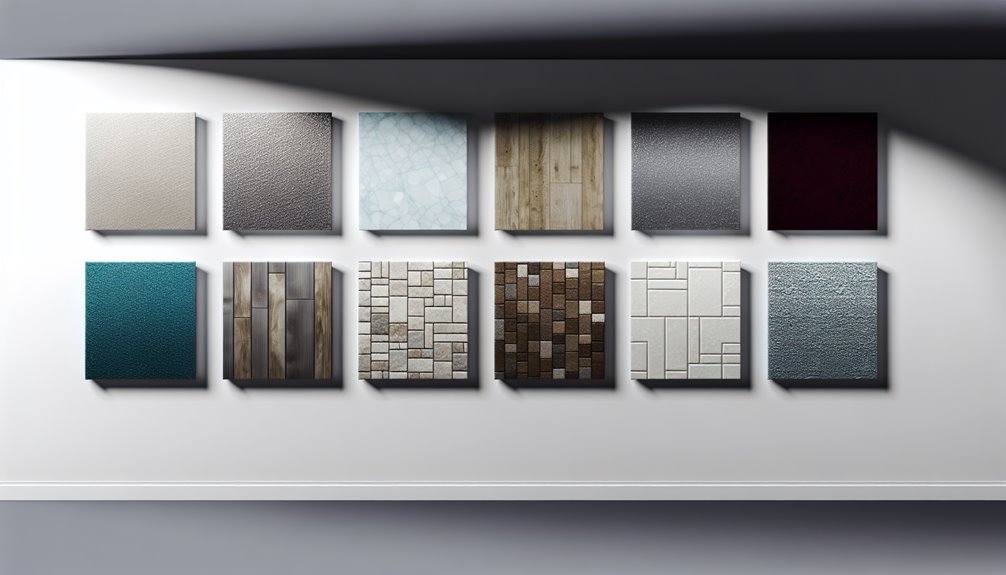
Their ability to mimic wood grain, stone patterns, solid colors, and metallics guarantees that PVC laminate uses extend across both residential and commercial projects.
These pvc decorative laminate options cater to modern tastes and traditional aesthetics alike, presenting an ideal solution for those seeking cost-effective yet stylish surfaces.
Advanced printing technologies enhance their ability to replicate natural materials, providing designers with creative freedom to craft cohesive and enchanting interiors.
Trend-conscious consumers can effortlessly align their spaces with current styles, while maintaining control over budget and design precision.
Building upon the vast array of design options offered by PVC laminate, its easy installation and low maintenance further enhance its appeal for both commercial and residential interiors. PVC laminate applications benefit from a straightforward installation process, compatible with surfaces like plywood and MDF. The material’s low maintenance needs amplify its practicality, requiring only periodic cleaning with a damp cloth.
| Feature | Benefit |
|---|---|
| Easy Installation | Quick setup, reducing project timelines |
| Low Maintenance | Simplifies upkeep, requiring minimal cleaning effort |
| Versatile Surface | Compatible with various substrates |
| Cost-Effective | Saves on labor and cleaning expenses |
These attributes make PVC laminate a top choice for modern interiors, aligning with trends emphasizing efficiency and aesthetic continuity. This guarantees a stylish, hassle-free experience, catering to the discerning needs of contemporary spaces.
Recognizing the increasing demand for hygienic and anti-bacterial materials, PVC laminate stands out as a prime candidate for both commercial and residential interiors.
Its non-porous nature effectively prevents the growth of bacteria and fungi, making it ideal for sensitive environments such as hospitals and food service areas. This attribute, coupled with its ease of cleaning, positions PVC laminated panels as a preferred choice for modern spaces.
Here are key hygienic benefits:
When considering pvc laminate pros and cons, its hygienic properties stand out prominently.
PVC laminate emerges as a cost-effective champion in the domain of interior design, particularly when compared to high-pressure laminates (HPL), acrylic finishes, or wood veneer.
Its affordability does not compromise quality, offering a practical alternative for both commercial and residential interiors.
When evaluating pvc laminate vs hpl, the former stands out with its lower lifecycle cost, characterized by reduced repair frequency.
This budget-friendly choice aligns with current trends emphasizing aesthetic appeal and economic efficiency.
Unlike HPL and acrylic, which often demand higher investments, PVC laminate allows for stylish transformations without financial strain.
Its versatility in design further guarantees compatibility with various interior styles, making it an attractive option for budget-conscious yet design-savvy clients.
While sustainability continues to shape the landscape of interior design, PVC laminate stands out as an eco-conscious choice for both commercial and residential projects.
Unlike traditional laminates, PVC laminate offers eco-friendly options that align with green building standards. The comparison of pvc laminate vs laminate highlights its lower environmental impact due to reduced resource consumption during production.
Such features make PVC laminates a forward-thinking choice for environmentally-conscious interiors.
While PVC laminate offers several aesthetic and practical advantages, it does have certain limitations that are important to evaluate for interior projects.
Its sensitivity to heat can lead to warping or discoloration if exposed to extreme conditions, and its scratch resistance, though decent, does not match that of High-Pressure Laminate (HPL).
Additionally, the environmental impact of PVC laminate, particularly concerning recycling and sustainability, remains a significant concern in the context of eco-friendly design trends.
Despite its many advantages, PVC laminate exhibits a notable limitation in its sensitivity to high temperatures. This factor raises questions for those pondering, "is PVC laminate good?" especially when considering PVC laminate comparison with other materials.
Extreme heat can lead to deformation, impacting its aesthetic integrity and performance.
Consider these key points:
Understanding these aspects guarantees informed choices in modern interior projects.
Amidst the various considerations when selecting materials for interior projects, the susceptibility of PVC laminate to scratches emerges as a notable concern, particularly when compared to High-Pressure Laminate (HPL).
While PVC laminates boast impressive durability and moisture resistance, their scratch resistance does not match the robustness of HPL. This limitation is essential for spaces subject to frequent wear and tear, where maintaining aesthetic integrity is paramount.
HPL's superior scratch resistance stems from its denser composition and manufacturing process, making it a preferred choice for high-traffic areas. Trend-conscious individuals seeking both style and longevity may find HPL more suitable.
However, for projects balancing cost-efficiency with design versatility, PVC laminates remain a viable, albeit less scratch-resistant, option.
In recent years, the environmental impact of PVC laminate has become a significant consideration for eco-conscious consumers. Despite its practical advantages, the sustainability of PVC products remains a concern due to the challenges in recycling and VOC emissions.
However, modern innovations have introduced improvements aimed at mitigating these issues:
In the domain of interior design, selecting the right surface material can greatly impact aesthetics and functionality.
PVC laminates stand out for their cost-effectiveness and moisture resistance compared to standard Sunmica and HPL laminates, while also offering more flexibility than acrylic options.
A detailed comparison of cost, durability, maintenance, and waterproofing reveals distinct advantages and considerations for each material, guiding informed choices for various interior projects.
While evaluating surface materials for interior design projects, discerning between PVC laminate and standard laminate (often referred to as Sunmica) reveals distinct characteristics that can influence decision-making.
PVC laminate stands out with its exceptional durability and water resistance, making it a preferred choice for areas exposed to moisture. In contrast, Sunmica offers a traditional appeal and remains popular due to its versatility and cost-effectiveness.
Key considerations include:
Exploring the nuanced differences between PVC laminate and High-Pressure Laminate (HPL) reveals their unique attributes and suitability for various applications.
PVC laminate, known for its flexibility and water resistance, excels in environments prone to moisture, such as kitchens and bathrooms. It offers a wide range of designs and is cost-effective.
Conversely, HPL is celebrated for its exceptional impact resistance, making it ideal for high-traffic areas like commercial spaces. HPL's robust composition guarantees longevity and resistance to scratches, positioning it as a durable option.
While PVC laminate provides a budget-friendly, aesthetic solution, HPL delivers unmatched durability for demanding settings. Both materials cater to specific needs, allowing designers to choose based on functional and stylistic requirements.
Aesthetic allure and technical prowess converge when comparing PVC laminate and acrylic laminate, two popular choices in modern interior design.
Each material offers distinct advantages that cater to different design needs and preferences.
These materials empower designers to balance aesthetics, functionality, and budget.
As the domain of interior design evolves, the comparison between PVC laminate and other surface materials becomes essential for making informed choices.
PVC laminate stands out for its cost-effectiveness, offering a budget-friendly alternative without compromising on durability. Its resistance to scratches, stains, and moisture makes it ideal for high-traffic areas like kitchens and bathrooms.
Maintenance is minimal, requiring only simple cleaning, making it practical for busy settings. The inherent waterproofing properties of PVC laminate surpass many traditional options, ensuring longevity in moisture-prone environments.
While natural materials may boast aesthetic appeal, they often demand higher maintenance and cost.
PVC laminate, consequently, presents a compelling balance between style, functionality, and affordability, aligning with contemporary trends and sustainable practices.
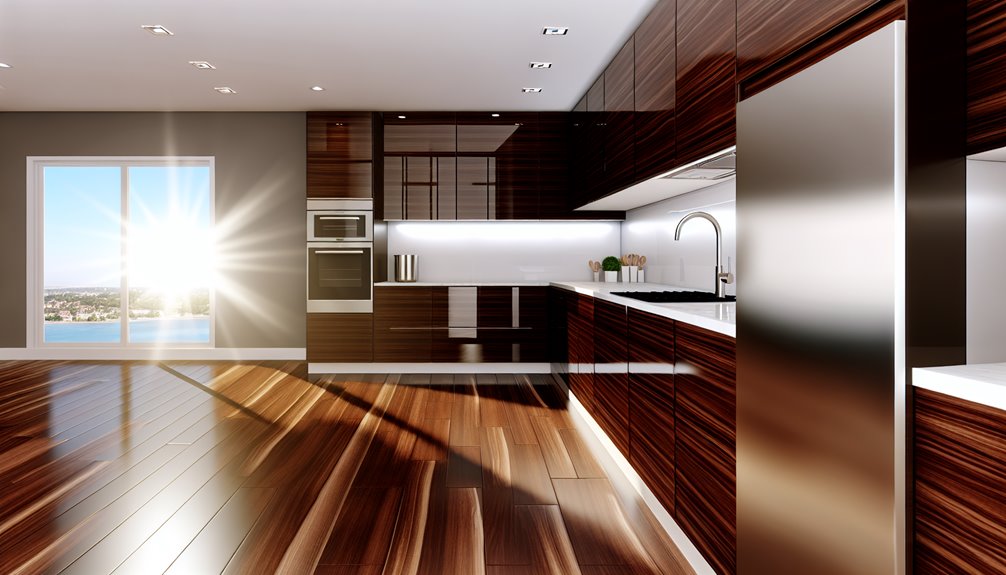
PVC laminate finds its best application across a variety of settings, from the elegant sophistication of hotel guest rooms and lobbies to the functional demands of hospital environments.
Its durability and aesthetic versatility make it a favored choice in commercial offices and retail fit-outs, providing both style and resilience.
Additionally, its moisture resistance and ease of maintenance render it ideal for kitchens, wardrobes, and built-in furniture, as well as striking wall panels and feature surfaces.
When incorporating design elements into hotel guest rooms, lobbies, and corridors, the selection of materials plays a vital role in defining the ambiance and functionality of these spaces. PVC laminate emerges as a preferred choice due to its blend of durability and aesthetic versatility. It offers a sophisticated yet practical solution for high-traffic areas.
This combination guarantees that hotels present an inviting and long-lasting interior.
In hospital and healthcare environments, a growing number of designers are recognizing the unparalleled benefits of incorporating PVC laminate into their projects. Known for its hygienic and anti-bacterial properties, PVC laminate provides an ideal surface solution in medical settings where cleanliness is paramount.
Its non-porous characteristics impede microbial growth, ensuring a safer environment for patients and staff. Additionally, the material's ease of maintenance, requiring only simple wiping with mild detergents, aligns with the rigorous cleaning protocols of healthcare facilities.
Designers value its adaptability, offering a wide range of aesthetic finishes that seamlessly integrate with modern healthcare interiors. As a cost-effective and durable choice, PVC laminate stands out for its ability to maintain both hygiene and visual appeal in demanding environments.
Commercial offices and retail fit-outs are increasingly adopting PVC laminate for its blend of aesthetic appeal and functional prowess. This material provides a versatile solution for modern interior projects, offering both style and practicality.
With a wide array of designs, PVC laminate can effortlessly complement diverse brand aesthetics, from sleek minimalism to vibrant retail displays.
These factors make it a compelling choice for business environments seeking both efficiency and elegance.
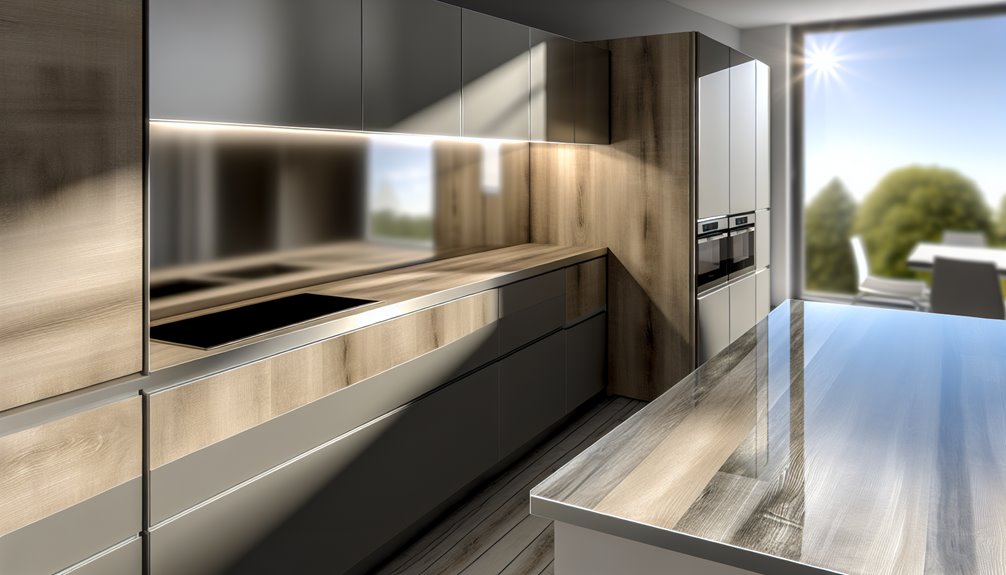
Although trends in interior design continuously evolve, PVC laminate remains a staple choice for kitchens, wardrobes, cabinets, and built-in furniture due to its unparalleled practicality and aesthetic versatility.
Its exceptional durability and moisture-proof nature make it ideal for high-traffic areas like kitchens, where resistance to water and stains is paramount.
The wide array of designs, from classic wood finishes to modern patterns, allows homeowners and designers to achieve a cohesive look without compromising on style.
Easy installation and maintenance further enhance its appeal, requiring only regular wiping to maintain its pristine condition.
As a cost-effective solution, PVC laminate offers a balance of quality and affordability, making it the preferred choice for those seeking both functionality and design sophistication in their interiors.
As the demand for stylish and functional interiors continues to rise, PVC laminate emerges as a favored choice for wall panels and feature surfaces, showcasing its adaptability beyond traditional applications like kitchens and wardrobes.
Known for its exceptional durability and versatility, PVC laminate offers aesthetically pleasing options for creating striking walls and accent surfaces.
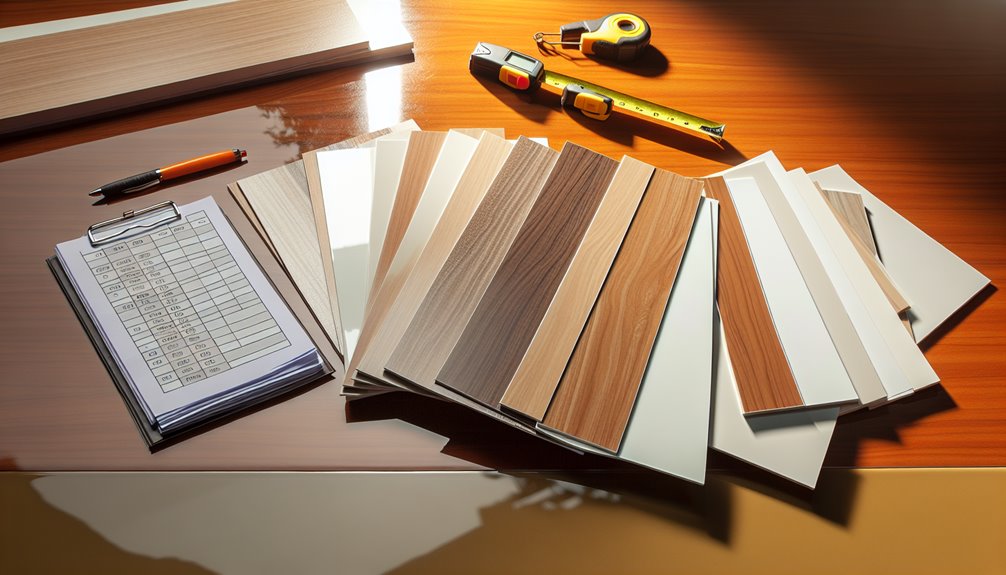
When selecting PVC laminate for interior projects, a meticulous examination of technical specifications is paramount to guarantee peak performance and aesthetic appeal.
Key considerations include the thickness and layer quality, which contribute to durability and longevity, as well as the choice of surface finish—whether matte, gloss, or texture—to complement design preferences.
Additionally, evaluating bond strength, flexibility, fire rating, safety classification, and chemical and stain resistance will guarantee the laminate meets both safety standards and practical needs.
In the domain of interior design materials, the thickness and layer quality of PVC laminate emerge as critical determinants of both aesthetic appeal and functional durability. Selecting the ideal thickness guarantees that the laminate withstands daily wear while maintaining its visual allure.
A well-constructed laminate is characterized by multiple layers that contribute to its resilience and strength. When evaluating PVC laminates, consider the following:
Such considerations empower discerning choices in modern interior projects.
Choosing the right surface finish for PVC laminate is a crucial step in achieving the desired aesthetic and functional outcomes in interior design.
Matte finishes offer a subtle, understated elegance, ideal for creating a contemporary or minimalist look while minimizing fingerprints and smudges.
Gloss finishes provide a sleek, modern appeal, reflecting light to make spaces appear larger and more vibrant, though they may require more maintenance.
Textured finishes add dimension and tactile interest, mimicking natural materials like wood or stone, and are perfect for adding warmth and character to a space.
Each finish option enhances different aspects of interior environments, allowing for tailored design solutions that align with current trends and personal preferences, ensuring both style and practicality.
Elegance in interior design is often achieved through the meticulous selection of materials that balance beauty with functionality, and this is where bond strength and flexibility become essential in choosing PVC laminate. A technically superior laminate guarantees seamless application and durability, vital for sophisticated interior projects.
Key considerations include:
When selecting PVC laminate for interior projects, understanding the fire rating and safety classification is vital for guaranteeing both aesthetic appeal and safety compliance.
PVC laminates must possess a high resistance to fire to be considered safe for use in various environments. Evaluating the manufacturer's claims and seeking certifications or standards that verify the laminate's fire resistance is imperative. This guarantees the product meets stringent safety requirements while maintaining design integrity.
Additionally, the laminate should be free of harmful emissions and toxins to guarantee a non-toxic environment, especially in sensitive areas like homes, hospitals, and laboratories.
A crucial factor in selecting PVC laminate is its chemical and stain resistance, which plays a pivotal role in maintaining both functionality and aesthetics. This attribute guarantees surfaces remain pristine amidst daily wear, essential for those valuing both design and practicality.
When considering chemical and stain resistance, one should evaluate:
For trend-setters and experts alike, these aspects offer control over their interior environment’s integrity and appeal.
Considering chemical and stain resistance is vital for maintaining surface integrity and aesthetics, and an equally significant focus lies in verifying manufacturer certifications for PVC laminates.
These certifications provide assurance of durability, non-toxicity, and cost-effectiveness, essential factors in modern interior projects. A certified PVC laminate guarantees resistance to fire, moisture, and scratches, and is free from harmful chemicals, making it safe for all environments, including those with children and pets.
Certifications also validate the manufacturer's claims and enhance consumer confidence in product quality. When selecting PVC laminates, discerning consumers should prioritize brands offering thorough certifications, reflecting a commitment to safety and sustainability.
This guarantees a seamless blend of style, functionality, and peace of mind in any interior space.
In the domain of PVC laminate installation, understanding suitable substrates and surface preparation is essential for achieving a flawless finish, with plywood and MDF being popular choices.
Expert application of adhesives and bonding methods guarantees a secure, enduring attachment, while an awareness of cleaning and long-term maintenance strategies preserves the material's aesthetic allure.
In addition, recognizing common installation pitfalls, such as inadequate expansion gaps or improper substrate conditions, empowers users to avert costly errors and achieve premier results.
The foundation of a successful PVC laminate installation lies in meticulous surface preparation, akin to an artist priming their canvas. Achieving a flawless finish requires attention to detail and understanding the nuances of substrate selection.
Suitable substrates for PVC laminates include plywood, particleboard, and MDF, each offering a stable base for the laminate's application. Confirming the substrate is clean, dry, and structurally sound is paramount to prevent future complications.
These steps provide a robust foundation for a sophisticated and enduring laminate finish.
Elevate the installation process of PVC laminates by meticulously selecting the right adhesives and bonding methods. A well-prepared surface and appropriate adhesive guarantee the laminate adheres securely, maintaining both aesthetic appeal and structural integrity.
Opt for adhesives specifically designed for PVC, which provide ideal bonding without compromising the laminate's finish. The use of contact cement or water-based adhesives is recommended, offering strong adhesion and reducing environmental impact.
Precision in applying adhesive evenly across the surface is vital, preventing bubbling or warping, and guaranteeing a smooth finish. To further enhance the bonding, employ pressure rollers, which aid in achieving seamless adhesion.
Adhering to the importance of proper bonding techniques, attention now shifts to maintaining the pristine condition of PVC laminates through strategic cleaning and long-term care.
Guaranteeing longevity and elegance requires minimal yet effective upkeep.
Balancing technical maintenance with aesthetic care guarantees PVC laminates remain a stylish, durable choice for modern interiors.
Maneuvering the intricacies of PVC laminate installation requires meticulous attention to detail to avoid common pitfalls that can compromise both aesthetic and functional outcomes.
First, the surface must be impeccably prepared—clean, level, and stable—to anchor the laminate effectively. It is vital to allow at least 48 hours for acclimation, guaranteeing the room temperature aligns with installation requirements. Installation should not proceed on surfaces with drains, uneven subfloors, or excessive dampness.
Each plank must be inspected to prevent integrating damaged pieces, and a 3/8 inch expansion gap is essential for accommodating natural material shifts. Avoid double layering underlayment and refrain from cutting laminate in situ, which can damage the decorative layer.
These practices guarantee an enduring, visually pleasing installation.
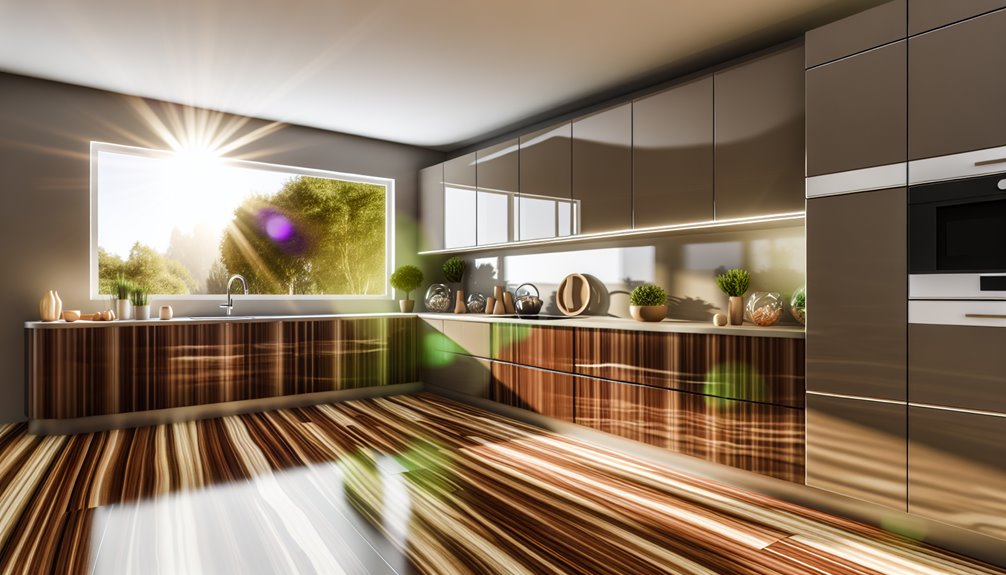
While the allure of PVC laminates lies in their versatility and durability, their impact on the environment remains a topic of significant discussion. The production and disposal of PVC laminates involve considerations vital for eco-conscious users.
Phili Green PVC Laminated Solutions are engineered for designers, contractors, and project owners who need surfaces that deliver both high-end aesthetics and long-term performance. Built on a fiber cement board substrate and finished with a composite PVC laminate film, our panels offer exceptional strength, dimensional stability, and visual versatility.
With Class A fireproof performance, moisture resistance, and protection against mold and insects, these laminates are ideal for projects that demand safety, durability, and regulatory compliance. From hospitals and schools to retail malls, hotels, and high-traffic public areas, Phili Green panels maintain their appearance and integrity over time — even in challenging environments.
Choose from a wide selection of marble, wood-grain, fabric, and solid-color finishes, all aligned with contemporary design trends. We also offer custom dimensions, patterns, and 3D-printed surfaces, allowing you to tailor each installation to your project’s visual identity.
Eco-friendly materials and low-emission manufacturing support sustainable building goals, helping your projects meet modern environmental standards while reducing lifecycle maintenance.
Ready to elevate your next interior project?
📩 Contact Phili Green for samples, specifications, or a customized solution for your application.
PVC laminate is generally unsuitable for outdoor use due to its sensitivity to direct sunlight and temperature fluctuations, which can cause warping and discoloration. Its durability excels indoors, where it provides exceptional aesthetic and functional benefits.
"Time is the thief of beauty," and so PVC laminate, exposed to direct sunlight, may fade over time. Its aesthetic charm and durability are best preserved when shielded from harsh UV rays, ensuring enduring interior elegance.
PVC laminate, known for its structural integrity, adeptly handles heavy loads due to its robust composition. Its multi-layered construction provides strength and support, making it suitable for high-traffic areas without compromising design aesthetics.
Fire-resistant PVC laminate options exist, offering enhanced safety features for interior spaces. These laminates integrate flame-retardant additives, ensuring compliance with safety standards while maintaining aesthetic versatility and technical durability, appealing to trend-conscious individuals seeking controlled environment solutions.
Popular PVC laminate design trends include minimalist monochromes, geometric patterns, and realistic wood grains. Advanced printing techniques enable customizable aesthetics, offering a blend of contemporary and timeless styles that cater to both residential and commercial interior projects.
PVC laminate continues to captivate modern interior enthusiasts with its blend of style and practicality. Offering a cost-effective alternative to natural materials, it dazzles with its realistic wood and stone aesthetics. Remarkably, PVC laminate's durability shines through in high-traffic areas, withstanding scratches and stains while maintaining its allure. Intriguingly, its installation ease reduces labor costs by up to 30%, underscoring its appeal in contemporary spaces. Despite environmental concerns, its popularity persists, reflecting an evolving trend towards accessible, chic design solutions.