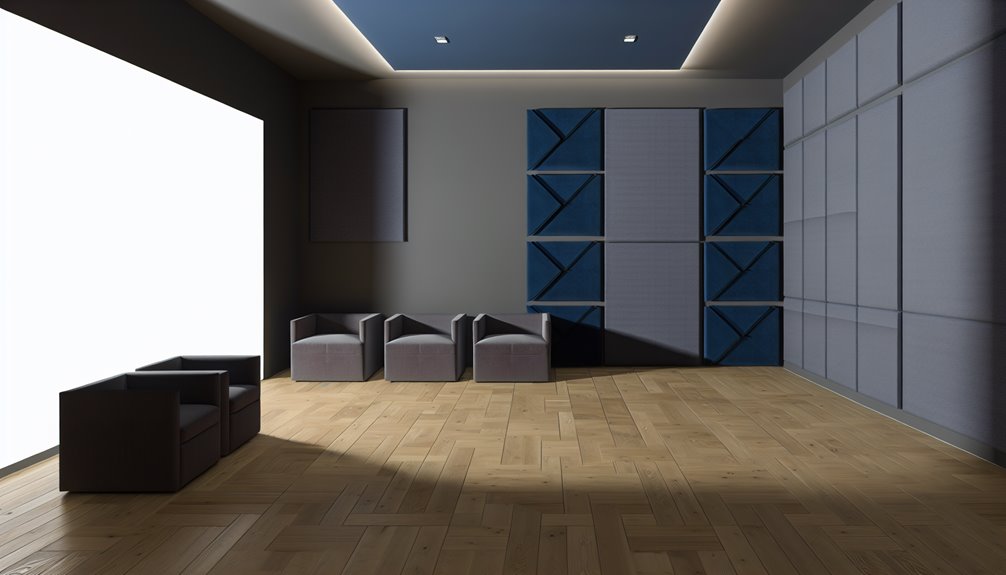
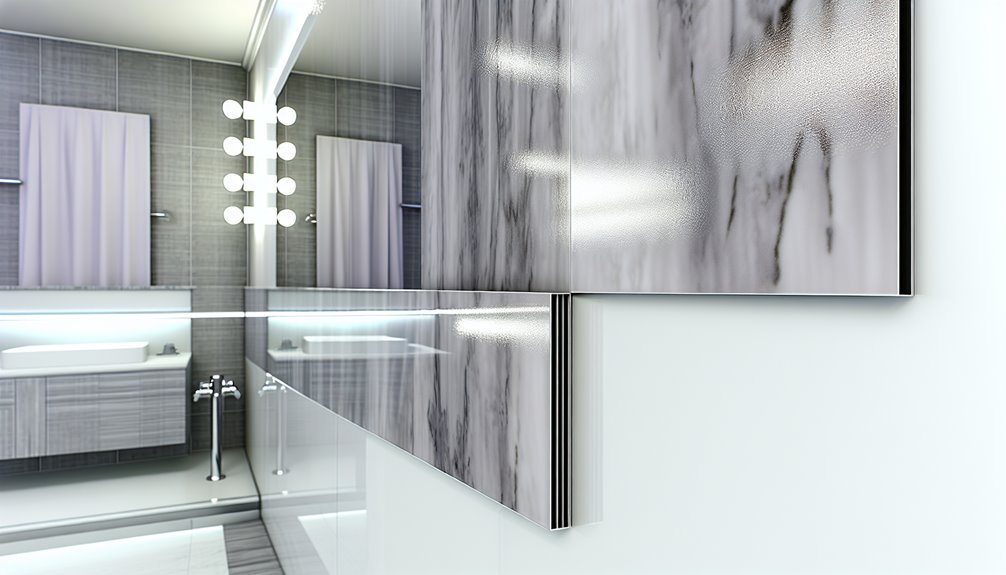
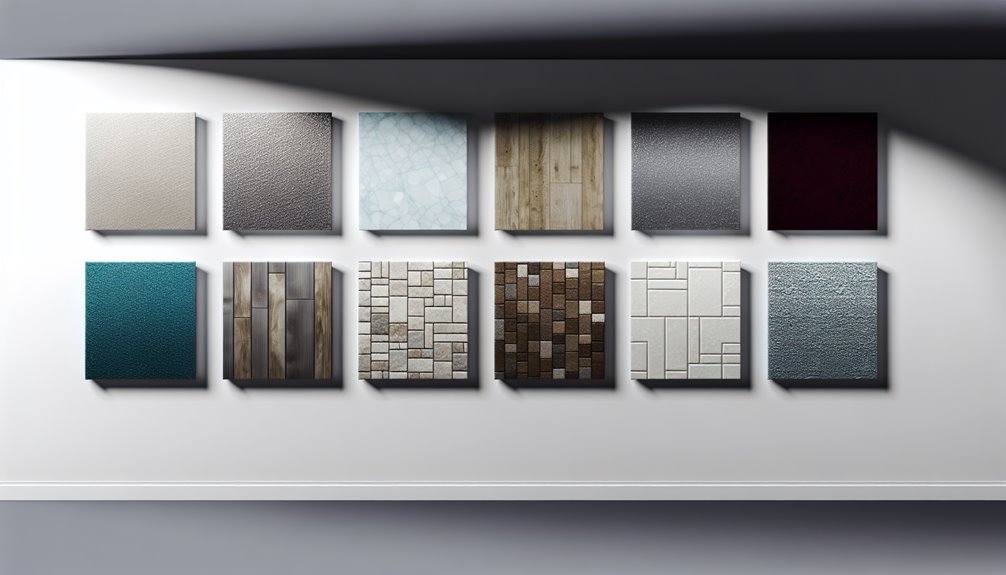
PVC decorative wall panels provide lightweight, moisture-proof cladding with low maintenance and long service life. Made from PVC, they replicate wood or stone while reducing transport energy and installation time via interlocking, tongue-and-groove systems. Fire-resistant, VOC-free options support healthier interiors and safety codes. Closed-cell construction resists swelling, mold, and discoloration; panels clean with neutral detergents and are replaceable. Recycled content, scrap recovery, and recyclability lower lifecycle costs and impacts. Emerging digital printing and antimicrobial formulations broaden use and benefits, with practical details ahead.
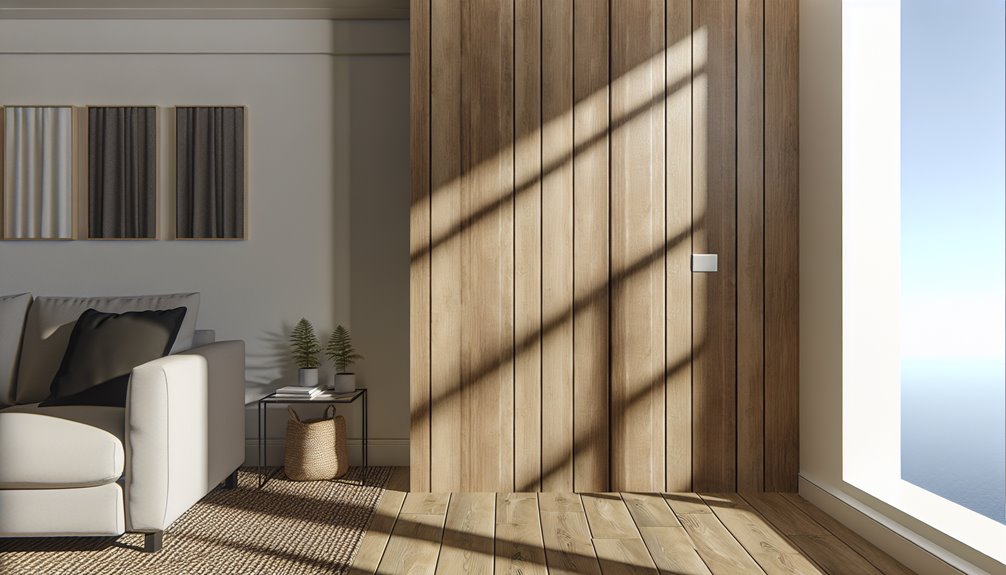
PVC decorative wall panels are surface claddings manufactured from polyvinyl chloride, a thermoplastic polymer engineered for dimensional stability, moisture resistance, and low maintenance.
Defined by consistent thickness and calibrated edges, pvc decorative wall panels deliver a controlled finish that replicates wood, stone, or ceramic textures without the weight or cost of quarrying or timber milling. As lightweight wall panels, they reduce transport energy and simplify handling, enabling precise installation on prepared substrates with minimal disruption.
From a lifecycle perspective, material choice prioritizes durability, stain resistance, and cleanability using mild detergents, extending service life and limiting replacements.
Eco-friendly pvc wall panels can incorporate recycled content and are compatible with selective disassembly, supporting component reuse. Their aesthetic range allows targeted specification for residential or commercial interiors where moisture exposure is anticipated.
PVC decorative wall panels offer lightweight formats that speed installation and reduce labor, while interlocking profiles support precise, low-waste fits.
Their waterproof, moisture-resistant surfaces and fire-retardant formulations extend service life and improve safety in both residential and public buildings.
A non-porous, easy-clean finish combined with recyclable, VOC-free boards supports low-maintenance operation and material-conscious, healthier interiors over the product lifecycle.
Leveraging lightweight construction, decorative wall panels enable fast, low-disruption installation that compresses project timelines without compromising performance.
For decision-makers managing tight schedules, pvc wall panels reduce labor intensity through minimal surface prep and clean, dry fitting.
Tongue-and-groove and interlocking profiles function as a modular wall system, allowing crews to cover large areas in hours, not days, with predictable sequencing and fewer trades onsite.
Reduced panel mass lowers handling risks, limits adhesive use, and minimizes site waste, supporting lifecycle efficiency.
For controlled outcomes, custom pvc wall panels can be pre-cut to project dimensions, improving tolerance management and interface quality at edges, corners, and penetrations.
The result is a rapid, repeatable installation method that stabilizes cost, mitigates downtime, and preserves design intent across phased renovations.
In moisture-prone interiors, a fully waterproof, non-porous wall surface extends service life by blocking water ingress, mold growth, and substrate degradation.
Waterproof PVC wall panels deliver this control reliably; their closed-cell structure resists swelling, peeling, and discoloration in bathrooms, kitchens, laundry rooms, and basements.
Unlike porous finishes, pvc interior wall panels maintain dimensional stability, reduce maintenance cycles, and protect substrates—supporting predictable lifecycle costs and cleaner indoor air.
While public interiors demand durable finishes, they also require assemblies that slow ignition and limit flame spread to protect egress and reduce asset loss. Fire-resistant PVC panels provide measurable risk reduction by resisting ignition, limiting smoke development, and slowing flame propagation—critical in corridors, lobbies, and classrooms. As pvc wall cladding, they combine low mass with interlocking profiles for fast, predictable installation, minimizing disruption to operations. Their durability—scratch, stain, and fade resistance—extends service life, lowering replacement frequency and embodied impacts, aligning with an eco-friendly choice.
| Risk Scenario | Panel Response |
|---|---|
| Crowd egress | Slows flame spread |
| Electrical faults | Resists ignition |
| High-traffic walls | Maintains integrity |
| Moisture-prone zones | Prevents mold |
| Budget oversight | Reduces lifecycle cost |
Fire-resistant PVC panels support consistent aesthetics across zones without compromising safety.
A low-maintenance, easy-clean finish is a primary performance advantage of PVC decorative wall panels, supported by material properties and lifecycle outcomes. Their non-porous, closed-surface skin repels dust, oils, and splashes, enabling wipe-down care with a damp cloth and mild detergent.
Compared with paint or wallpaper, decorative PVC wall panels sustain appearance under daily abrasion, moisture, and stains, reducing cleaning frequency and eliminating aggressive chemicals—an eco-friendly choice across service life.
Low-maintenance care naturally aligns with a healthier indoor environment, and PVC decorative wall panels extend this benefit through eco-friendly, VOC-free formulations.
As a prefabricated decorative wall system, they reduce on-site cutting, dust, and adhesives, lowering indoor emissions and construction waste. Verified waterproofing resists mold and mildew, limiting biocide use and preserving indoor air quality over time.
phili green pvc wall panels are an eco-friendly choice, designed for recyclability and long service life—key levers in lowering whole-life carbon.
Installation in hours and minimal prep translate to fewer trips, less energy, and tighter schedule control.
Durability—scratch, stain, and fade resistance—reduces maintenance cycles, cleaning chemicals, and replacement frequency. Fire-retardant performance enhances safety without compromising air quality.
The result: controlled costs, predictable performance, and healthier interiors.
Despite similar decorative roles, PVC wall panels diverge markedly from wood, MDF, stone, glass, and fabric in lifecycle performance and maintenance demands. Evidence indicates composite panels like PVC outperform plaster-based finishes in durability while remaining lightweight and waterproof.
PVC wall panels outlast plaster, stay lightweight and waterproof, and reduce maintenance versus wood, MDF, stone, glass, and fabric.
For users seeking control over cost, cleaning, and uptime, PVC offers predictable performance with design latitude, including 3d printed wall panels and wood grain wall panels that mimic premium substrates without their upkeep.
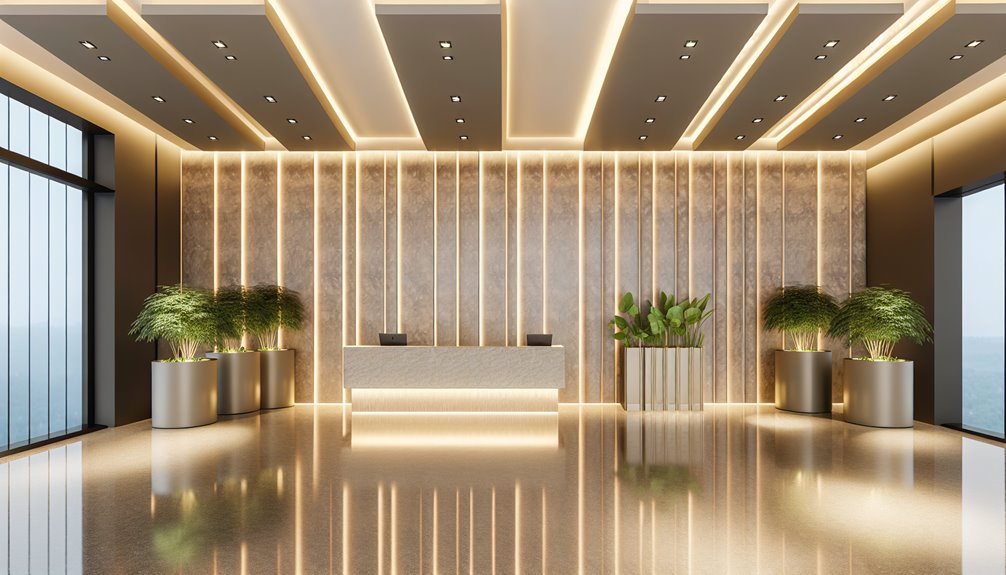
In hotels and hospitality projects, PVC decorative wall panels offer rapid installation, easy cleaning, and customizable finishes that withstand high-traffic wear over long service lives.
In hospitals and healthcare facilities, ASTM-certified, FDA-compliant, moisture- and chemical-resistant panels support infection control and reduce lifecycle maintenance burdens.
In educational buildings and offices, their impact resistance, acoustically friendly profiles, and low-maintenance surfaces align with budget constraints while preserving design intent and durability.
From guest rooms to back-of-house corridors, hotels and hospitality venues leverage PVC decorative wall panels for durable, hygienic, and design-forward surfaces across the asset lifecycle.
Operators prioritize lightweight installation, ASTM-certified performance, and FDA-compliant cleanability to control downtime and standards. Moisture- and chemical-resistant virgin vinyl reduces mold risk in spas, pool decks, and bathrooms, while impact resistance protects luggage routes and service areas. Tongue-and-groove systems shorten fit-out schedules and limit labor exposure.
Routine inspections and mild-detergent cleaning preserve lifecycle value and budget control.
Although healthcare environments demand stringent hygiene and uptime, PVC decorative wall panels align with these requirements through ASTM-certified durability, FDA-compliant cleanability, and moisture- and chemical-resistant virgin vinyl construction.
In patient rooms, corridors, and procedure-adjacent spaces, impact resistance and seamless, grout-free finishes reduce harbor points and limit repair frequency. Panels withstand routine disinfection cycles and chemical exposure while resisting moisture intrusion that can lead to mold.
A tongue-and-groove system accelerates installation during outages and supports phased renovations. Routine maintenance involves nonabrasive cleaning with mild detergent; periodic inspections verify panel integrity and attachment.
Specifiers can standardize finishes and textures to meet brand and wayfinding objectives without sacrificing performance. Selection should confirm fire rating, third-party certifications, and compatibility with substrates and trim systems.
Free samples and consultations support risk-managed procurement.
While learning environments and offices present distinct operational demands, PVC decorative wall panels address both through material efficiency and lifecycle performance. Their lightweight, impact- and chemical-resistant construction supports daily wear from students and staff, while water resistance controls mold risk in labs, washrooms, and break areas.
Tongue-and-groove installation compresses downtime, and smooth, grout-free surfaces simplify cleaning to documented, repeatable routines.
ASTM-certified, FDA-compliant options, with defined fire ratings, support specification control.
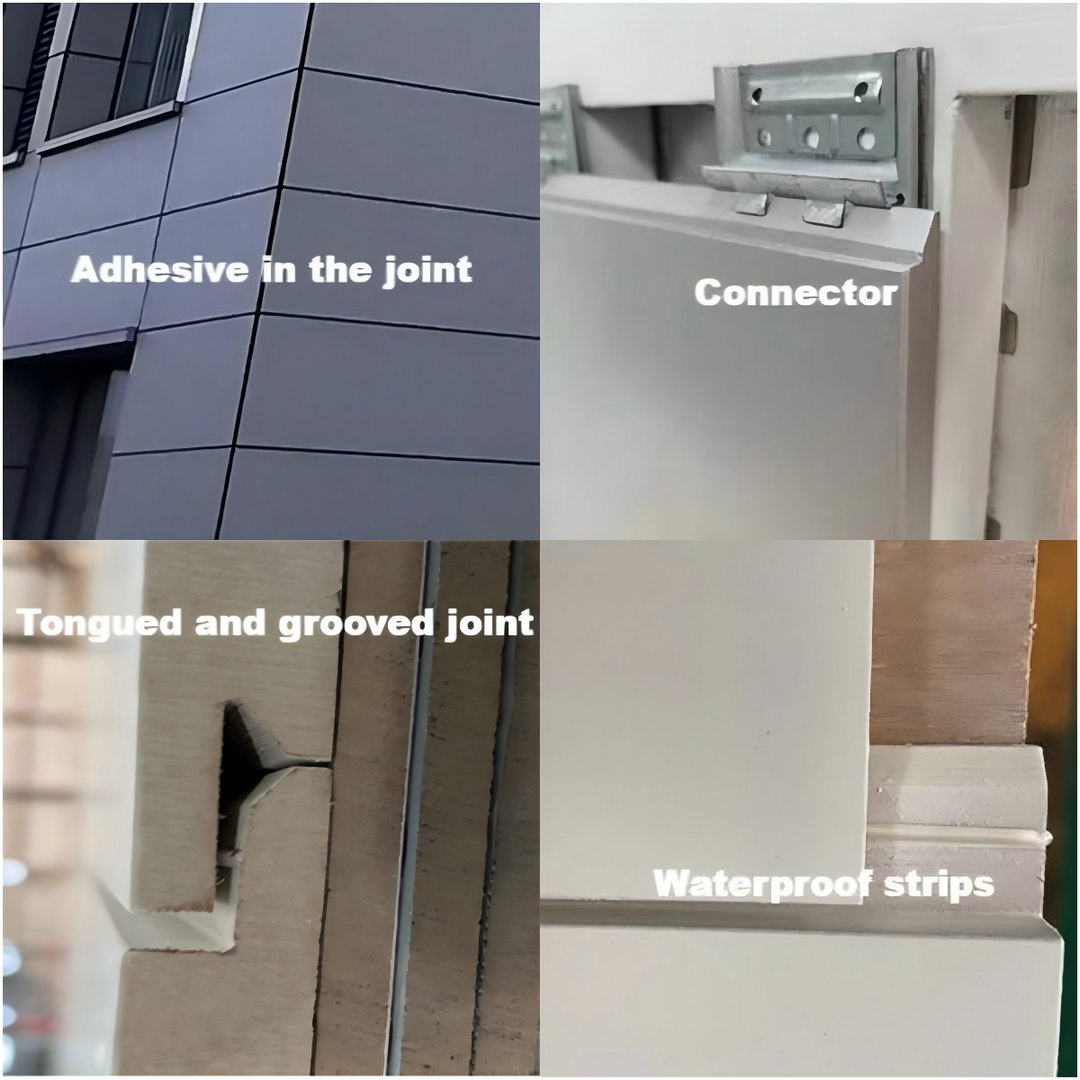
The installation adopts a modular dry construction system, using tongue-and-groove panels with solvent-free adhesives and mechanical fixings to achieve a watertight, low-VOC assembly on plaster, tile, or ceilings.
On-site steps prioritize accurate measurement, straight cuts, level alignment, and secure trims (H trims, coving, end caps) to minimize waste and guarantee serviceable joints.
Maintenance centers on routine cleaning of non-porous PVC surfaces and straightforward panel replacement by releasing trims and disengaging interlocks, extending service life while limiting material disposal.
For most retrofit and new-build scenarios, a modular dry construction system streamlines installation of PVC decorative wall panels through a keel-based framework that requires no drilling, generates minimal dust, and enables faster project delivery.
The assembly keel system employs precision-fit components and clip-in panels, reducing tool time and error rates while preserving existing substrates. Phili Green’s prefabricated framework is engineered for straightforward integration with common wall conditions, supporting predictable outcomes and clean handovers.
Begin with a calibrated layout to control fit, waste, and sequence. The installer verifies substrate plumbness and moisture limits, then snap-lines control panel datum and reveals.
Step 1: measure and mark. Tolerances are held to manufacturer specs to minimize offcuts and guarantee module alignment.
Step 2: fix the assembly keel. Corrosion‑resistant tracks or battens are anchored at calculated centers to carry dead load and allow ventilation.
Step 3: cut panels. Panels are scored or sawn with fine-tooth blades; edges are deburred to protect joints.
Step 4: slot and secure. Tongue‑and‑groove or clip systems are engaged from datum, fastening concealed to maintain recyclability.
Step 5: seal edges. Low‑VOC, compatible sealants close perimeters, reducing moisture ingress, improving hygiene, and extending service life.
While installation sets baseline performance, lifecycle value depends on disciplined care and timely replacement. A controlled regimen preserves aesthetics, limits degradation, and reduces unplanned downtime.
Neutral-detergent wipes with soft cloths remove dust and routine soils; avoid acidic/alkaline cleaners and excessive force. For stubborn marks, test mild solvents on inconspicuous zones, agitate with a soft brush, then rinse and dry to eliminate residues.
UV-exposed elevations benefit from a monitored protective coating with scheduled reapplication. Routine inspections document cracks, deformation, or coating failure; replace compromised sections using compatible materials and proper disassembly tools, or engage professionals for thorough service.
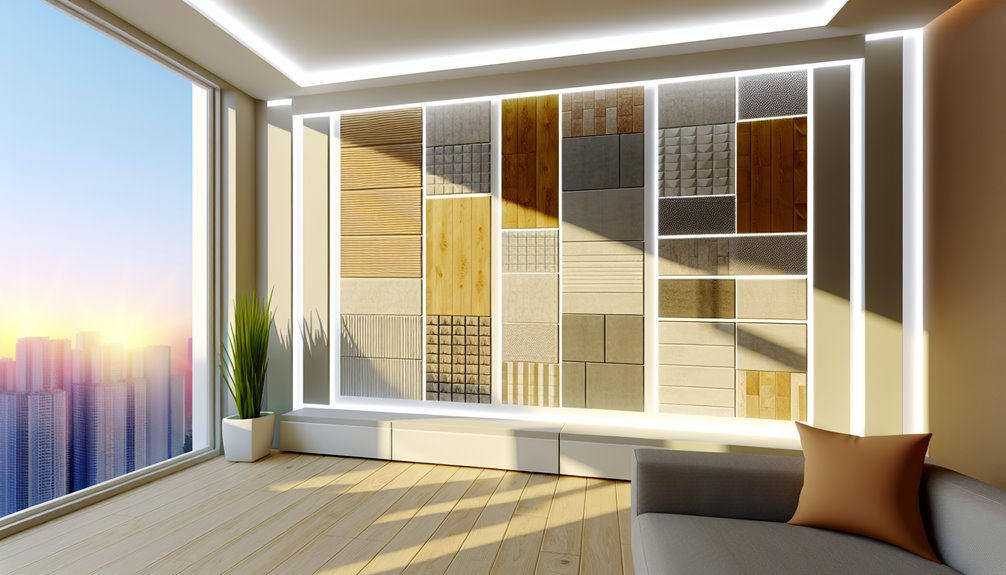
How can PVC decorative wall panels be tailored from concept to installation without compromising performance? Designers can specify textures, geometries, and finishes—brick, floral, zigzag, or minimalist half-circles—while retaining waterproofing, impact resistance, and easy maintenance. Interlocking systems (e.g., Leben) enable precise layout control; anti-fingerprint and scratch-resistant surfaces (Doon Projects, Art3d) preserve appearance over time. Options span residential to commercial, bathrooms to kitchens, and even weather-exposed zones, using fire-retardant and termite-proof grades where required.
| Design Intent | Material/Feature Match | Example Lines |
|---|---|---|
| Aesthetic texture | 3D emboss, HDHMR-faced PVC | Kayra Zig Zag; My Wall Panels 3D |
| Wet-area durability | Waterproof, anti-mold, interlock | Century Ply Grey; Leben Panels |
| Low upkeep | Scratch/anti-fingerprint, washable | Doon Projects; Art3d Floral |
Custom sizing, pattern repetition, and DIY-friendly installation support cost control and lifecycle efficiency without sacrificing performance.
Leveraging efficient extrusion and calendaring, PVC decorative wall panels are produced on low-waste lines that recirculate trim and edge offcuts, reducing raw material demand and associated CO per square meter.
Recyclable production scraps close the loop further, aligning with a “Smart Green Space · Building a Better Lifevision that values measurable, lifecycle outcomes.
In use, panels contribute to operational energy savings through thermal insulation and high visible-light reflectance, lowering heating and lighting loads.
Lifecycle comparisons indicate lower cumulative energy demand versus ceramic tiles or HPL across production and operation.
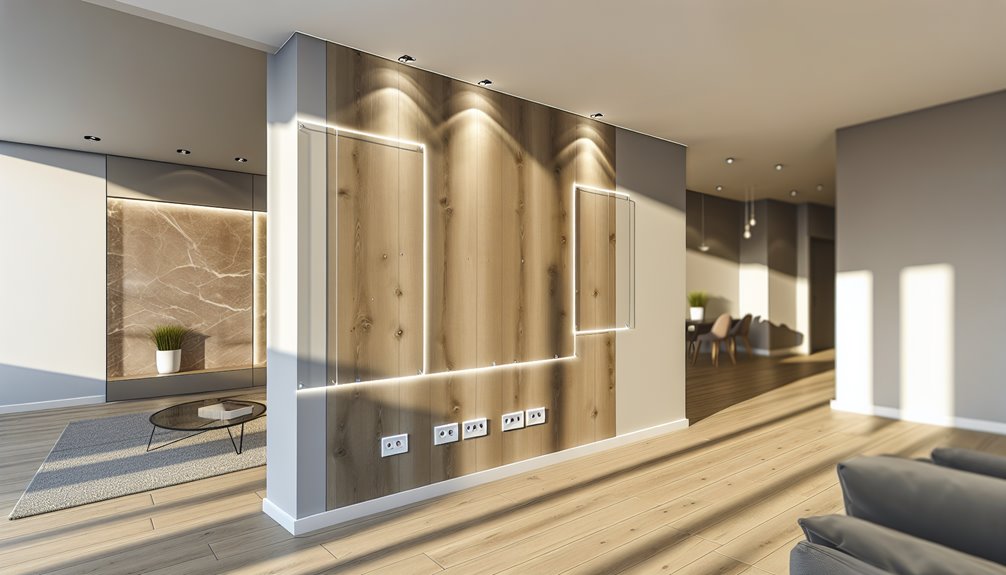
At Phili Green Panels, innovation and practicality go hand in hand. Our PVC decorative wall panels have been widely adopted across large-scale commercial, hospitality, healthcare, and public infrastructure projects — proving that performance, sustainability, and design can coexist seamlessly. Below are several representative cases that demonstrate how our wall systems deliver both aesthetic value and long-term efficiency.
For one of China’s busiest transportation hubs, the Shenzhen Airport Satellite Halls project required interior wall materials that could withstand constant foot traffic, frequent cleaning, and high safety standards.
Phili Green’s PVC decorative wall panels, paired with HPL finishes, were chosen for their lightweight structure, Class A fire-resistance, and waterproof surface. The result is a bright, clean environment that enhances passenger comfort while reducing maintenance costs.
The quick dry-installation system also shortened construction time by more than 20% compared to traditional wet finishes, keeping the project on schedule without compromising quality.

In the Chongqing Lewen Courtyard Hotel, Phili Green’s wood-grain PVC decorative wall panels were used throughout guest rooms and corridors to create a warm, welcoming atmosphere. The natural textures replicate solid wood surfaces while maintaining superior moisture-resistance — ideal for humid regions.
Beyond aesthetics, the hotel benefitted from fast installation using our modular dry-cladding system, minimising disruption during renovation. The panels’ easy-clean surface and colour-fast coating ensure the interior maintains its premium look even under heavy use.
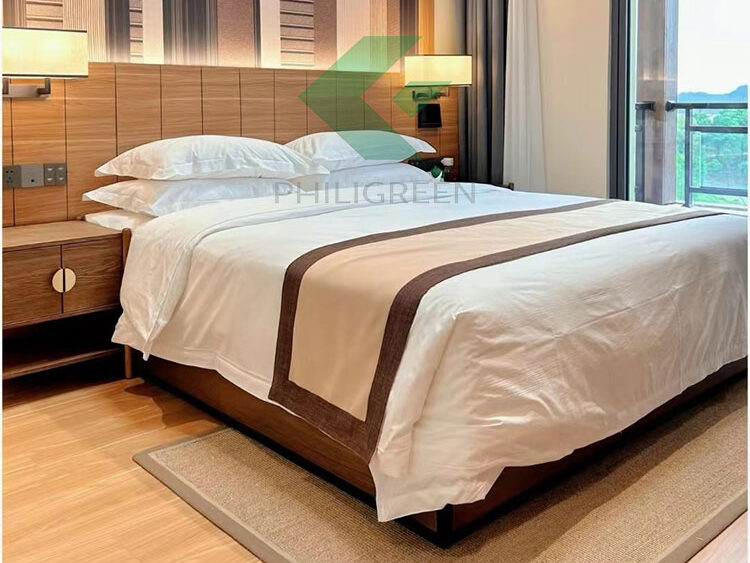
For the Guangzhou Huangpu Biosafety Park Talent Apartments, Phili Green supplied PVC decorative wall panels for corridors, living units, and shared facilities. The project aimed to combine modern minimalism with environmental performance.
Our VOC-free coatings and recyclable materials aligned perfectly with the client’s sustainability targets, while the impact-resistant surface met the demands of high-occupancy buildings. The modular design also allowed easy integration with concealed electrical and plumbing systems, reducing on-site labour and material waste.
Across multiple school and institutional projects, including the Shenyang Vanke Future City Primary School and Chongqing Humanities and Science Institute, Phili Green’s PVC decorative wall panels were installed to provide durable, easy-maintenance surfaces that support a healthy learning environment.
The panels’ impact resistance and fire-safe construction ensure long-term safety, while their customisable colour palette helps architects create vibrant, engaging interiors that enhance student wellbeing.

From airports to hotels, hospitals, and educational spaces, Phili Green’s PVC decorative wall panels continue to deliver consistent performance in demanding environments.
Each project showcases how our modular wall systems simplify installation, extend service life, and elevate design — offering developers, architects, and contractors a sustainable and future-ready alternative to traditional wall materials.
Amid steady construction activity and renovation cycles, the PVC decorative wall panels market is expanding on the strength of measurable performance gains and manufacturing innovation.
With an estimated USD 5.5 billion size in 2024 and outlook to USD 8.2 billion by 2033, growth is grounded in moisture resistance, low maintenance, and cost control.
Digital printing, fire-retardant and antimicrobial options, and lower-emission processes signal a material-conscious shift aligned with lifecycle goals and smart-building needs.
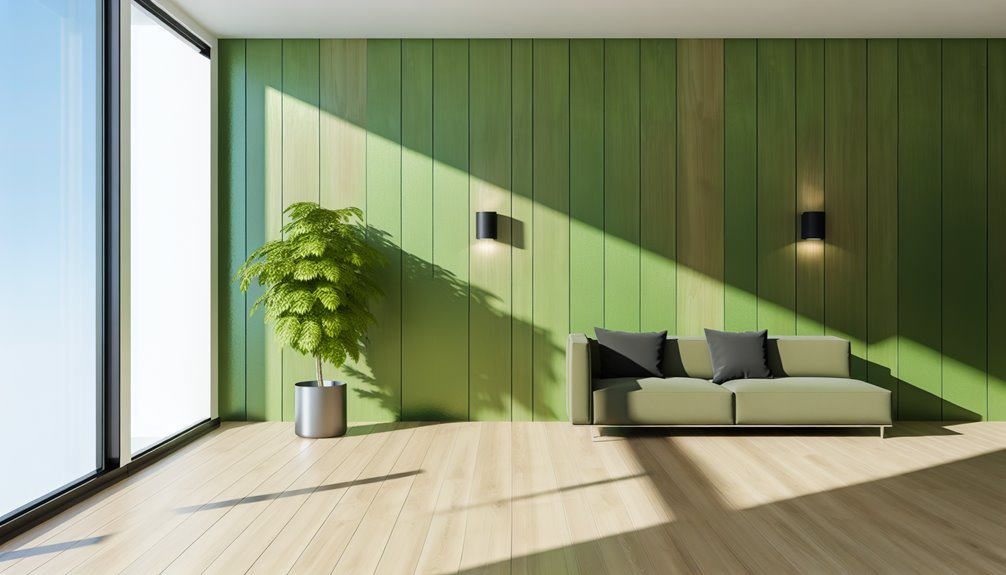
At Phili Green, we focus on creating wall systems that balance performance, design, and sustainability. Our PVC decorative wall panels are made from formaldehyde-free, waterproof, and fire-resistant materials, ensuring long-term safety and reliability in commercial environments.
We prioritise durability and precision installation to achieve consistent quality and faster project delivery. Every panel is engineered for stable alignment and smooth finishes, supported by a skilled team that responds quickly on site.
Clients choose us for our transparent process, dependable results, and ongoing innovation. Through continuous R&D, we enhance material strength and aesthetic flexibility—bringing European-grade quality to hotels, offices, and large public spaces.
Our panels offer a low-maintenance, future-ready solution that supports greener construction and lasting visual appeal.
Explore how Phili Green’s PVC decorative wall panels can be tailored to your design and performance goals. Contact our team for samples, technical specifications, or a customised wall system consultation.
They can maintain acceptable indoor air quality if low-VOC certified, properly installed, and ventilated. Over time, off-gassing typically declines; risks include plasticizer or additive emissions, microbial growth behind panels, and combustion byproducts. Specify verified formulations and monitor IAQ.
Yes, they integrate well with sensors and fixtures; still, measure twice, cut once. Smooth PVC surfaces support adhesive mounts, cable channels, and cutouts; verify RF transparency, thermal expansion, off-gassing, fire ratings, and end-of-life recyclability to maintain reliability, warranties, and upgrade flexibility.
Colorfastness under continuous artificial lighting is generally high with UV-stabilized pigments, maintaining ΔE <3 over several years. Performance depends on resin grade, stabilizer package, lamp spectrum (LED superior to fluorescent), surface finishes, cleaning chemistry, and maintenance cycles throughout the product lifecycle.
Yes, but only if certified for food-contact adjacency, high-temperature tolerance, and cleanability. Specifiers should verify fire ratings, chemical resistance to degreasers, seam sealing, substrate moisture control, and lifecycle sanitation protocols. Exclude direct heat zones; prioritize removable panels and documented HACCP compliance.
Like a litmus strip, insurers gauge PVC panels by combustibility ratings, smoke development, and compliance with NFPA/BS standards. They favor documented fire-retardant additives, certified testing, installation detailing, and end‑of‑life plans; lacking evidence elevates premiums, exclusions, and mitigation requirements.
In closing, PVC decorative wall panels emerge as a lifecycle-smart choice—lightweight, durable, recyclable, and efficient—like a well-stitched seam holding form and function together. Evidence shows reduced installation time, lower maintenance, and improved moisture and energy performance versus traditional materials. From healthcare to hospitality, applications scale without sacrificing aesthetics or hygiene. With advancing formulations and take-back programs, the material footprint narrows further. Selecting Phili Green panels aligns design intent with material responsibility, reinforcing interiors that perform today and endure tomorrow.