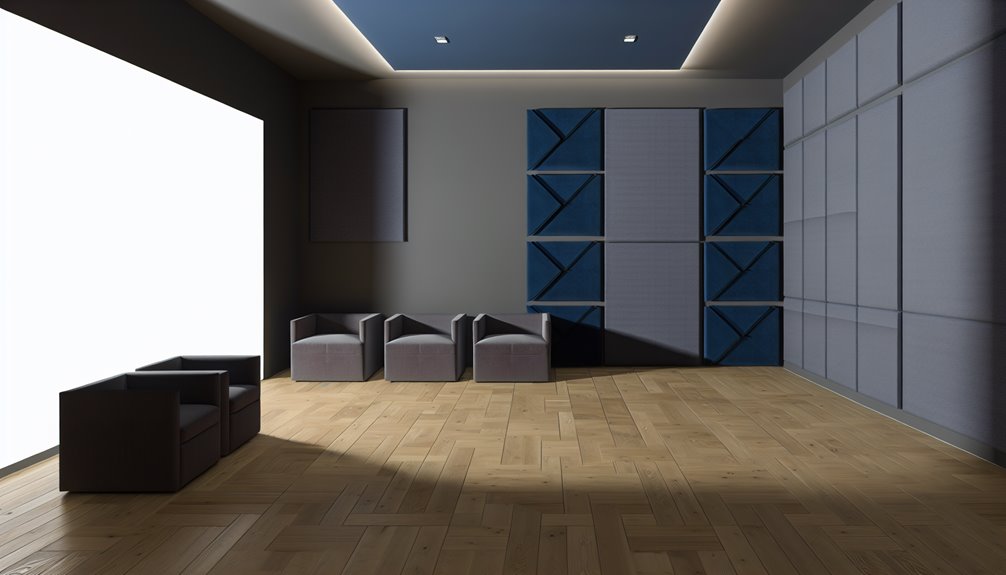
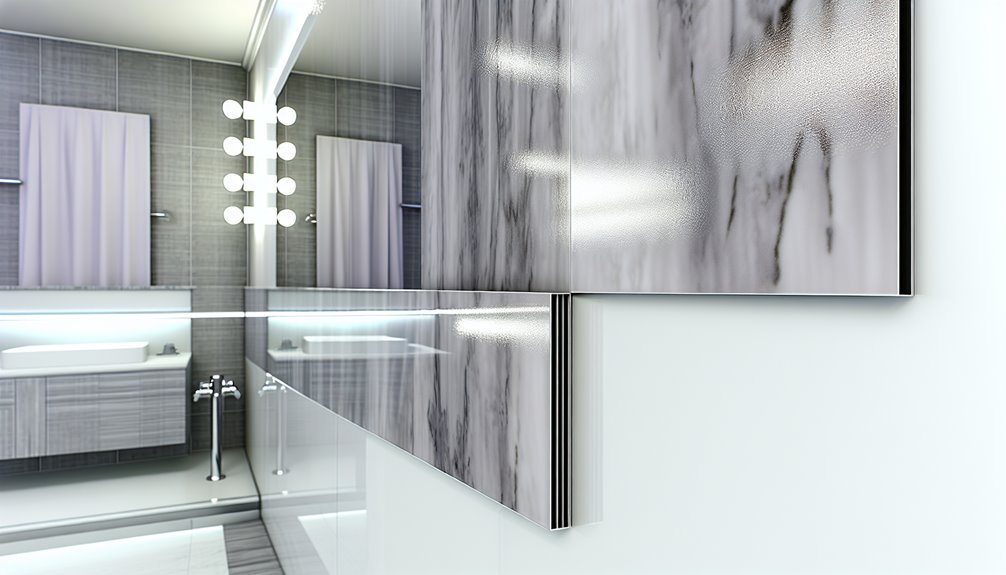
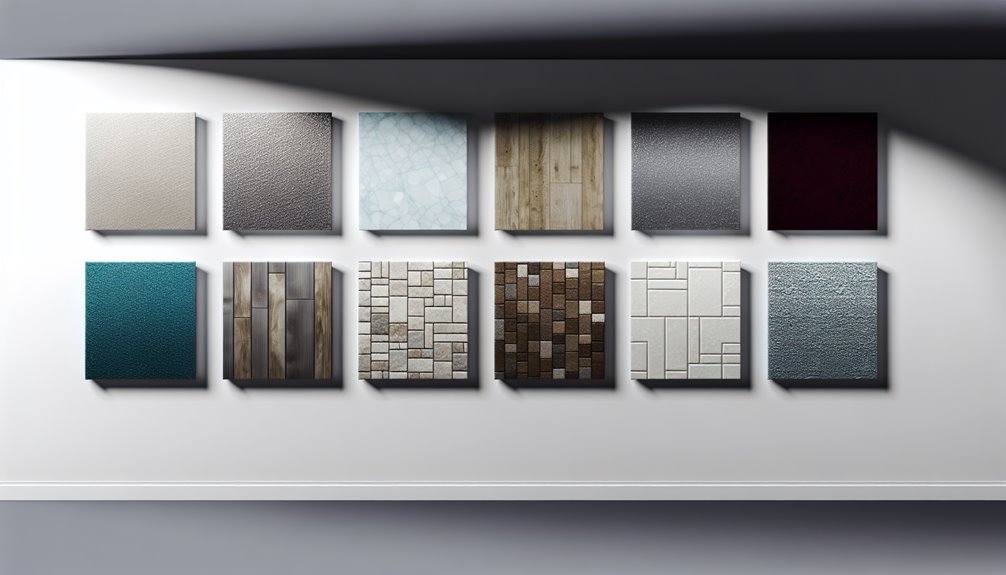
PVC laminate flooring offers a balance of durability, style, and sustainability for contemporary spaces. It withstands moisture, scratches, and heavy use, while mimicking wood or stone with convincing detail. Low-VOC construction supports healthier interiors, and straightforward installation reduces project downtime. Its performance in high-traffic environments makes it a practical option for commercial and residential applications alike. Yet not all products are equal—key distinctions in build quality, warranties, and environmental credentials can change the outcome.
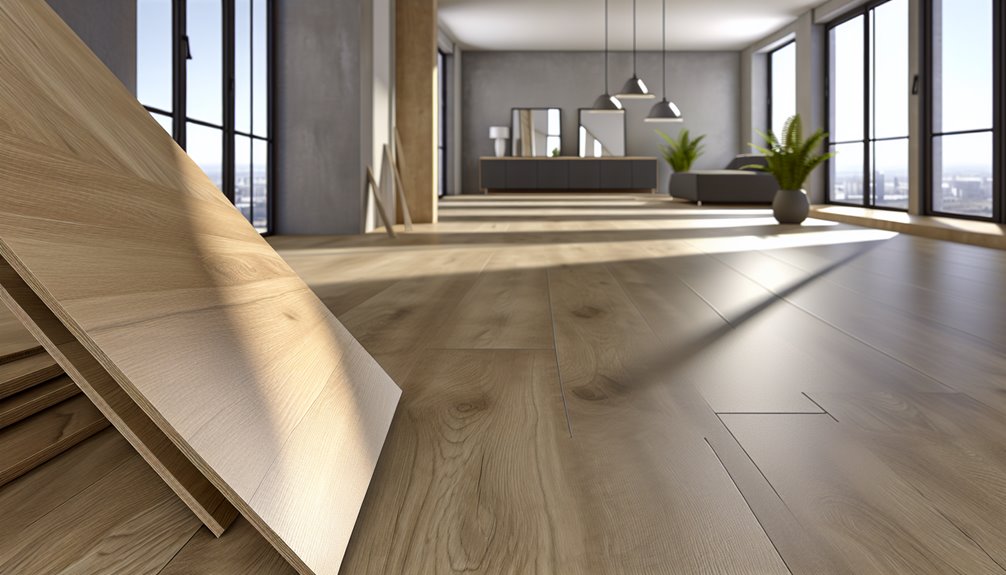
PVC laminate flooring is a synthetic, multi-layer floor covering that replicates wood or stone visuals while delivering the waterproof practicality of vinyl (PVC).
In practice, pvc laminate flooring combines a printed design layer with a protective wear layer to deliver consistent aesthetics and dependable surface performance. Available in hundreds of styles, colours, and textures, laminated pvc flooring adapts to residential and commercial schemes where visual control and specification accuracy matter.
Its thin, stable profiles support renovation scenarios and varied installation methods, including click and glue-down, enabling precise planning of timelines and costs.
Designers and owners can standardize looks across spaces while minimizing pattern repetition by selecting higher print variation SKUs. Compared with ceramic or hardwood, PVC laminate flooring offers predictable dimensions, straightforward maintenance protocols, and reliable durability for high-traffic environments.
PVC laminate flooring stands out for water and moisture resistance that preserves the surface in kitchens, baths, and entryways, while robust wear layers resist impacts and scratches in busy spaces.
It also supports safety goals with slip-resistant textures and fire-rated constructions, yet installs efficiently and needs only simple cleaning to stay pristine.
Added acoustic damping and efficient heat transfer provide quieter rooms and comfortable warmth underfoot.
Moisture control stands at the core of long-term flooring performance, and PVC laminate flooring excels here with true 100% water resistance. For decision-makers seeking reliability, waterproof pvc laminate flooring prevents swelling, warping, and mold, even in kitchens and bathrooms. Its smooth, sealed surface blocks moisture ingress, enabling quick cleanup and hygienic maintenance with simple vacuuming and mopping. When paired with SPC cores, dimensional stability improves under temperature shifts, supporting predictable results and warranty integrity. This durable pvc laminate flooring sustains appearance over decades, aided by protective top layers up to 0.55 mm.
| Area | Risk | PVC Advantage |
|---|---|---|
| Kitchen | Frequent spills | 100% waterproof surface |
| Bathroom | High humidity | No swelling or warping |
| Entryway | Wet shoes | Fast, safe cleanup |
| Laundry | Leaks/steam | Stable, sealed layers |
While daily foot traffic, dropped objects, and pet claws can quickly age lesser surfaces, PVC laminate flooring maintains a resilient finish engineered for high-use spaces.
Its protective PVC wear layer—typically 0.3 to 0.55 mm, with premium options at 0.55 mm—delivers measurable resistance to scuffs, abrasions, and minor impacts. An SPC core further stabilizes the surface, helping prevent denting and edge damage in entryways, corridors, and retail zones.
For decision-makers seeking control over lifecycle costs, pvc laminate flooring benefits include a durable top layer that preserves appearance for up to 25 years with routine cleaning.
In commercial pvc laminate flooring applications, its smooth, sealed surface minimizes dirt retention, enabling efficient maintenance and consistent presentation standards without waxing or refinishing, even under sustained high traffic.
Safety underfoot begins with compliance. In public buildings, decision-makers prioritize predictable performance. Fire-resistant pvc flooring contributes to safer egress strategies by limiting flame spread and supporting clear code documentation.
With SPC cores and robust PVC wear layers (up to 0.55 mm), these systems deliver dimensional stability, sound absorption, and water resistance without compromising safety objectives.
Slip resistance is equally controlled. The textured, protected surface maintains traction even when wet, benefiting lobbies, corridors, restrooms, and cafeterias. Routine vacuuming and damp mopping preserve friction characteristics and hygiene, reducing liability exposure.
When evaluating pvc laminate flooring vs vinyl, specifiers should note comparable waterproofing, but PVC laminate with SPC provides elevated stability under temperature swings common in large facilities.
Combined fire and slip performance, verified through relevant certifications, supports reliable, long-term public use.
Beyond fire and slip performance in public spaces, PVC laminate flooring distinguishes itself in daily use through straightforward installation and low upkeep.
For pvc laminate flooring installation, floating click systems and glue-down options allow planners to match method to substrate, moisture exposure, and traffic, ensuring predictable timelines and results.
The smooth, waterproof surface blocks moisture and dirt, so routine vacuuming and damp mopping deliver hygienic outcomes without aggressive chemicals.
Solidfloor’s dedicated maintenance products further streamline maintenance and care while protecting the protective PVC top layer—up to 0.55 mm on premium ranges—for long-term appearance retention.
Proper care sustains service life that commonly reaches 25 years.
Installers and facility managers retain control: faster turnovers, fewer callbacks, and simple cleaning protocols that keep operations running efficiently.
Comfort underfoot stems from PVC laminate’s balanced acoustic damping and efficient heat transfer. With inherent sound absorption across layered pvc laminate floor panels, footfall noise is minimized—vital in apartments and thin-walled buildings. Their thin, stable construction delivers low thermal resistance, enabling quick, even warmth with underfloor heating for predictable energy response and consistent surface temperatures.
| Calm | Warmth | Control |
|---|---|---|
| Quiet steps | Even heat | Predictable response |
| Softened echoes | Fast heat-up | Stable surface temps |
| Peaceful rooms | All-room comfort | Low resistance |
| Focus preserved | Barefoot-ready | Efficient transfer |
The protective top layer and SPC core contribute to dimensional stability while maintaining acoustic damping. Waterproof surfaces prevent moisture intrusion that could undermine thermal performance. Regular vacuuming and mopping sustain hygienic, low-friction contact, preserving both quiet and warmth. The result is measurable serenity and dependable thermal comfort under daily use.
While not all vinyl products are equal, PVC laminate flooring increasingly uses stable, long‑life constructions that reduce resource turnover and support recyclability. Long service life—often 25 years—delays replacement cycles, conserving materials and transport energy.
Durable 0.3.55 mm wear layers and SPC cores increase dimensional stability, minimizing damage, waste, and callbacks. Waterproof, smooth surfaces require only routine vacuuming and mopping, limiting harsh chemicals and extending aesthetic life.
Sound‑absorbing layers help meet multi‑unit acoustic targets without additional materials. Low thermal resistance aligns with efficient underfloor heating, reducing energy input for comfort.
For specifiers seeking control, eco-friendly pvc laminate flooring with SPC content and defined wear-layer specs enables predictable performance and end‑of‑life sorting.
Custom pvc laminate flooring options can standardize thicknesses and carriers, simplifying maintenance, replacement, and recyclability pathways.
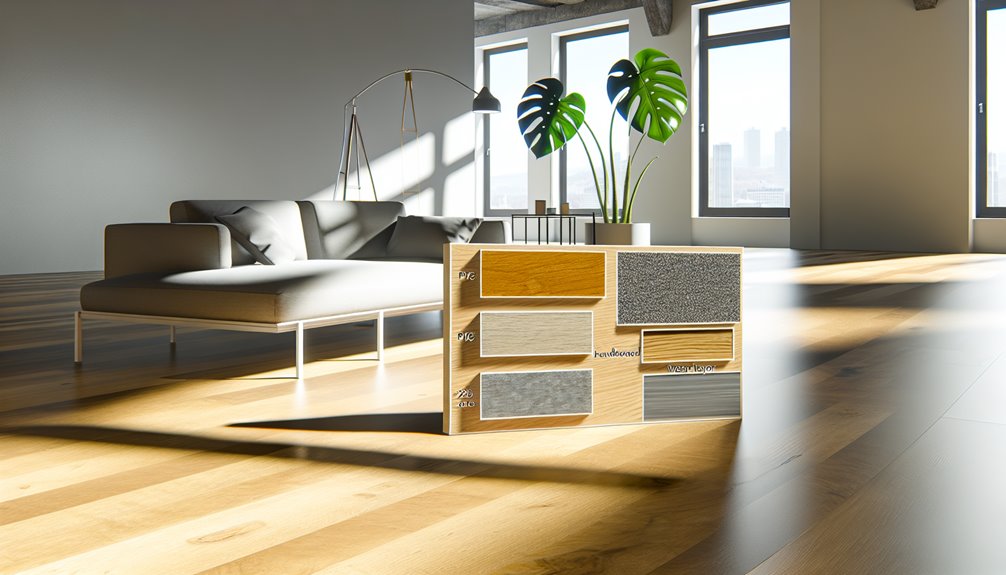
This section contrasts PVC laminate with traditional laminate, focusing on water resistance, stability, and installation.
It also clarifies how PVC laminate compares with LVT/LVP vinyl in composition, durability, and aesthetics.
Finally, it sets PVC laminate against hardwood and tile on cost, maintenance, and performance in humid or high-traffic areas.
Why choose PVC laminate over traditional laminate? In the pvc vs laminate flooring debate, decision-makers prioritize moisture control, stability, and lifecycle value.
PVC decorative film delivers true waterproofing (<0.1% moisture absorption) and holds dimensions after immersion, minimizing edge lift and gaps from -20C to 60C. Traditional laminate’s HDF core swells with prolonged moisture, demanding strict climate management and rapid spill response.
PVC allows direct application to prepared substrates and tolerates standard cleaners, simplifying maintenance in wet zones. Laminate needs precise subfloor prep, acclimation, and seam vigilance.
While PVC often carries higher initial material and adhesive costs, its durability curbs replacement risk—especially in humid environments. Premium laminates can cost more yet remain moisture-limited.
phili green pvc laminate flooring aligns with low-emission certifications and recyclability pathways.
PVC laminate and vinyl flooring (LVT/LVP) often look similar on the surface but differ in build, performance, and comfort.
PVC laminate pairs a laminated core with a printed décor and wear layer, while vinyl is fully synthetic PVC in multi-layer planks or tiles. Vinyl is 100% waterproof and stable in wet zones; laminate relies on carrier quality for moisture defense. For laminated wall and floor systems demanding predictable outcomes, these contrasts matter.
Among mainstream flooring choices, PVC laminate occupies a pragmatic middle ground between hardwood’s prestige and tile’s toughness. It delivers the visuals of wood or stone with consistent print quality, controlled repetition, and an abrasion‑resistant wear layer.
Unlike hardwood, it is waterproof and stable in humid rooms, minimizing risk in kitchens, baths, and basements. While tile offers superior impact and heat resistance, PVC laminate installs faster, with floating or glued options that control downtime and subfloor prep.
Hardwood retains top resale appeal and can be refinished; PVC laminate cannot be sanded, so damaged planks require replacement. Tile excels in longevity but can feel cold and hard underfoot.
For owners prioritizing cost, moisture immunity, and predictable maintenance, PVC laminate provides decisive, low‑risk performance.
| Feature | PVC Laminate | Laminate | Vinyl | Hardwood |
|---|---|---|---|---|
| Waterproof | ✅ Yes | ⚪ No | ✅ Yes | ⚪ No |
| Fire Resistant | ✅ Class B/A | ⚪ Limited | ✅ | ⚪ Limited |
| Cost | ✅ Low | ⚪ Medium | ⚪ Medium | ⚪ High |
| Maintenance | ✅ Easy | ⚪ Moderate | ✅ Easy | ⚪ High |
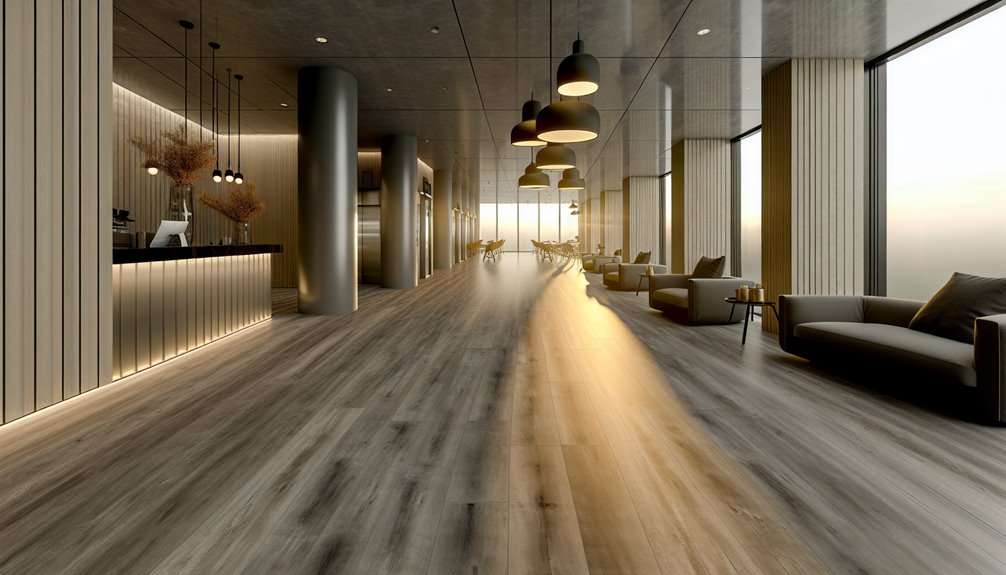
PVC laminate flooring proves strategic across key commercial settings, from hotels and hospitality projects to offices and educational spaces.
Its durability, hygiene, and maintenance advantages also align with hospitals and healthcare facilities.
Retail and showroom floors benefit from realistic aesthetics and resilience under heavy foot traffic.
While guest expectations center on comfort and cleanliness, hospitality interiors demand materials that withstand relentless use and moisture. PVC laminate flooring gives operators precise control over aesthetics, hygiene, and lifecycle costs. Its waterproof construction manages spills in lobbies, corridors, and food-and-beverage zones, while textured, wood-look finishes elevate brand standards without the upkeep of hardwood.
In five-star settings, consistent visuals and low-reflection surfaces reinforce a calm, premium ambiance and simplify turnover between events.
Installation flexibility—floating or glued—supports phased renovations and tight timelines.
From guest-facing venues to knowledge-driven environments, the same demand for durability, hygiene, and controlled aesthetics carries into offices and educational spaces.
PVC laminate flooring delivers a precise balance of resilience, cleanability, and visual discipline that supports predictable performance.
In offices, PVC’s dense wear layer withstands rolling chairs, carts, and high footfall while maintaining a refined, consistent appearance.
A broad palette of colors and textures enables brand-aligned schemes without sacrificing practicality. Easy maintenance reduces downtime and supports facility standards.
In schools and colleges, the waterproof surface manages spills in classrooms and corridors, and its smooth profile accelerates routine cleaning, helping maintain a hygienic learning environment.
Slip-resistant finishes and stable click or glue-down installations provide dependable safety and dimensional control, even under intense daily use and circulation.
In hospitals and healthcare facilities, flooring must uphold strict hygiene protocols, withstand continuous traffic, and support efficient cleaning routines.
PVC laminate flooring meets these demands with a waterproof, non-porous surface that enables fast disinfection and consistent performance in corridors, patient rooms, and treatment areas. Its durable wear layer resists stains from disinfectants and spills, while realistic wood or stone visuals maintain a composed, professional aesthetic without compromising control over maintenance costs.
Installation methods can be tailored—glued for maximum stability or floating where rapid deployment and future replacement are priorities.
Across retail stores and showrooms, PVC laminate flooring delivers a clean, resilient surface that sustains constant foot traffic, rolling displays, and frequent remerchandising without visible wear.
Its waterproof construction controls risk from beverage spills, tracked-in moisture, and cleaning cycles, while the protective top layer resists scuffs from carts and fixtures. Managers gain predictable maintenance: rapid sweep-and-mop routines restore presentation, reducing downtime between floor resets.
Design teams can specify wood, stone, or neutral finishes with uni-color bevels to maintain brand coherence across locations. Click or glue-down options enable phased installations, night turnovers, and tight reopen schedules.
In fitting rooms, entry zones, and cash wraps, slip-resistant textures support safety. For pop-ups and seasonal floorsets, dimensional stability and stain resistance preserve a fresh, premium look under sustained demand.
Choice defines PVC laminate flooring’s design edge, offering finishes that convincingly emulate wood and stone, as well as solid colors and metallic effects. This breadth empowers specifiers to align floors with brand palettes, wayfinding schemes, or minimalist briefs without compromising durability.
With 3D printing and digital laminates, manufacturers execute brand-specific visuals, repeat accuracy, and calibrated textures that control gloss, depth, and tactility. Designers can coordinate continuous planes using Phili Green wall systems, achieving seamless floor-to-wall connections that simplify visual narratives and signage.
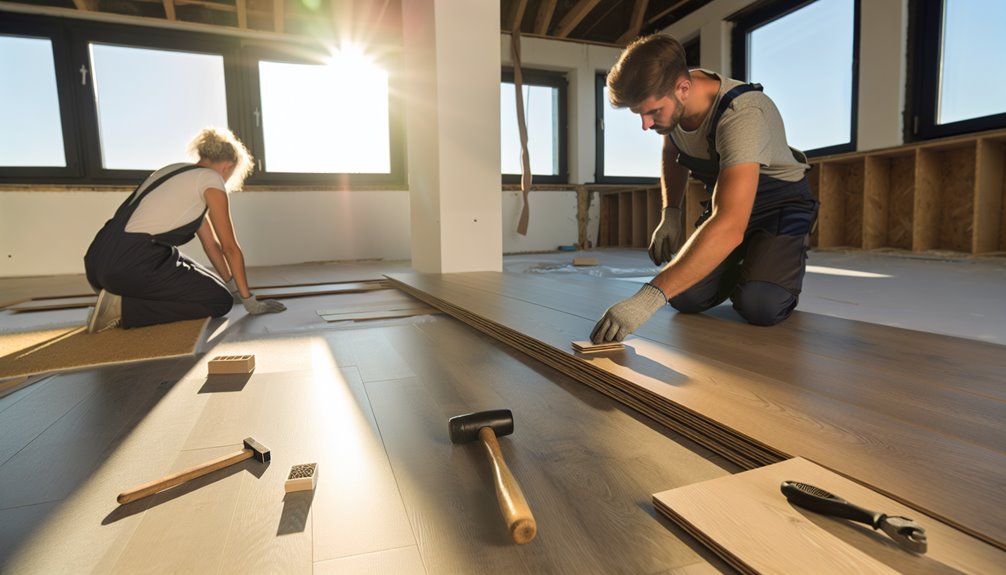
This section outlines how dry installation systems accelerate schedules while ensuring secure click connections.
It clarifies surface preparation and subfloor tolerances that underpin long-term stability, especially in humid or high-traffic areas.
It also specifies a simple maintenance routine—regular dry cleaning, pH-neutral damp mopping, and prompt spill management—to extend the floor’s lifecycle.
Accelerating build schedules, dry installation systems for PVC and laminate leverage click-lock mechanisms and floating assemblies to eliminate wet adhesives and curing time.
This approach enables rapid, predictable deployment with minimal disruption to adjacent trades. Panels interlock with controlled tolerances, allowing immediate traffic and phased sequencing without downtime. Contractors retain flexibility to lift and relay planks for layout corrections, access to underfloor services, or replacement.
The system curbs waste, streamlines logistics, and supports night-shift turnarounds, empowering stakeholders to hit milestones with confidence.
Prepare the substrate with rigor: successful PVC and laminate installations depend on clean, dry, flat, and structurally sound subfloors verified to manufacturer tolerances. Moisture testing (RH/CM) is mandatory over concrete; address vapor emissions before proceeding. High points must be ground and low areas patched with compatible leveling compounds to achieve specified flatness (e.g., 3 mm over 2 m). Remove contaminants—adhesive residue, paint, oils—that impair adhesion or underlay performance. Confirm deflection limits for wood subfloors; fasten loose panels, sand seams, and install an approved underlayment where required. For radiant floors, document temperature stability and observe acclimation times. Select underlays for acoustics, vapor control, or minor correction—never as a substitute for leveling.
| Condition | Verification | Corrective Action |
|---|---|---|
| Moisture | RH/CM tests | Mitigate, apply vapor barrier |
| Flatness | Straightedge | Grind highs, skim lows |
| Cleanliness | Visual/tape | Mechanically remove residues |
| Integrity | Fastener check | Re-secure, replace damaged |
| Heat systems | Logs/sensors | Stabilize, acclimate planks |
With a stable, flat, and dry substrate established, long-term performance now depends on disciplined care tailored to PVC (LVT) and laminate.
A controlled routine minimizes wear, preserves sheen, and protects joints and edges. Dry soil removal is prioritized; moisture is applied sparingly and chemistry is selected for compatibility with protective layers.
For glued PVC, exclude aggressive solvents; for floating systems, control humidity to limit expansion stress.
Schedule inspections of connections, skirtings, and seals, addressing gaps quickly to prevent moisture ingress.

Though designed to mimic natural materials, PVC laminate flooring can meet modern sustainability benchmarks through careful formulation and manufacturing. Low-VOC chemistry and formaldehyde-free lamination reduce indoor air emissions, supporting healthier IAQ targets and compliance with stringent project specifications.
A recyclable material structure enables end-of-life recovery, lowering landfill burden and aligning with circular design goals. Waste is minimized through optimized layer construction and controlled production yields.
Projects seeking measurable outcomes can leverage these attributes toward LEED or comparable green building credits, particularly in low-emitting materials and responsible manufacturing categories. Production under Phili Green’s low‑carbon base further decreases embedded emissions, improving whole‑building lifecycle assessments.
Combined, these controls allow specifiers to quantify environmental impact, document conformity, and integrate PVC laminate flooring into sustainability-driven procurement without compromising performance.
Because projects demand both performance and design credibility, Phili Green PVC laminate flooring stands out for its modern aesthetics, reliable installation, and proven material quality.
It aligns with modern, sustainable principles while giving specifiers predictable outcomes across scale. Material choices are formaldehyde-free, water- and fire-resistant, and engineered for long service life, enabling confident use in humid and high-traffic zones.
Installation is handled by experienced teams committed to a perfect finish and rapid issue resolution, limiting downtime and risk.
Experienced installers deliver flawless finishes and swift remediation, minimizing downtime and mitigating project risk.
Design options are contemporary and customizable, ensuring visual continuity across complex programs.
It performs well when heat is steady and limited below manufacturer thresholds. Like disciplined clockwork, PVC laminate conducts evenly, resists moisture, and minimizes expansion. They guarantee tight subfloors, proper underlay, gradual heat ramps, and maximum surface temperatures around 27°C for control.
Yes. PVC laminate can reduce footfall noise when paired with an appropriate acoustic underlay. Performance depends on thickness, click system rigidity, and installation method. Specifiers should verify dB/IIC ratings, require perimeter isolation, and guarantee subfloor flatness for consistent results.
Yes, standardized anti-slip ratings exist—DIN 51130 (R9–R13) and DIN 51097 (A–C) for wet zones. Skeptical specifiers gain control via test certificates, pendulum (PTV) values, and on-site audits, ensuring compliance with OSHA/HSE requirements and facility-specific risk thresholds.
Lead times typically run 4 weeks: 1 weeks for artwork approval, 2 weeks for sampling, and 2 weeks for production and QC. Expedited options exist with surcharge. Minimums, tooling, and logistics may influence schedules.
Chair-caster use accelerates wear layer abrasion; thicker mil ratings endure longer, yet hard dual-wheel casters still concentrate load. Coincidentally, frequent rolling and pivoting, debris, and insufficient mats compound micro-scratching. Controlled mitigation: soft polyurethane casters, clean floors, protective chair mats, and routine inspection.
As the project’s lights come up, PVC laminate flooring settles beneath footfall like a quiet promise—sleek grains catching the glow, edges seamless as a horizon. Hallways breathe with durable calm; lobbies mirror refined textures; workspaces hum over resilient, low-VOC cores. Spills bead and vanish, scratches fail to scar, and maintenance glides by. In this balanced landscape of form and function, Phili Green’s planks anchor design intent—stylish, sustainable, and ready for the daily choreography of modern life.