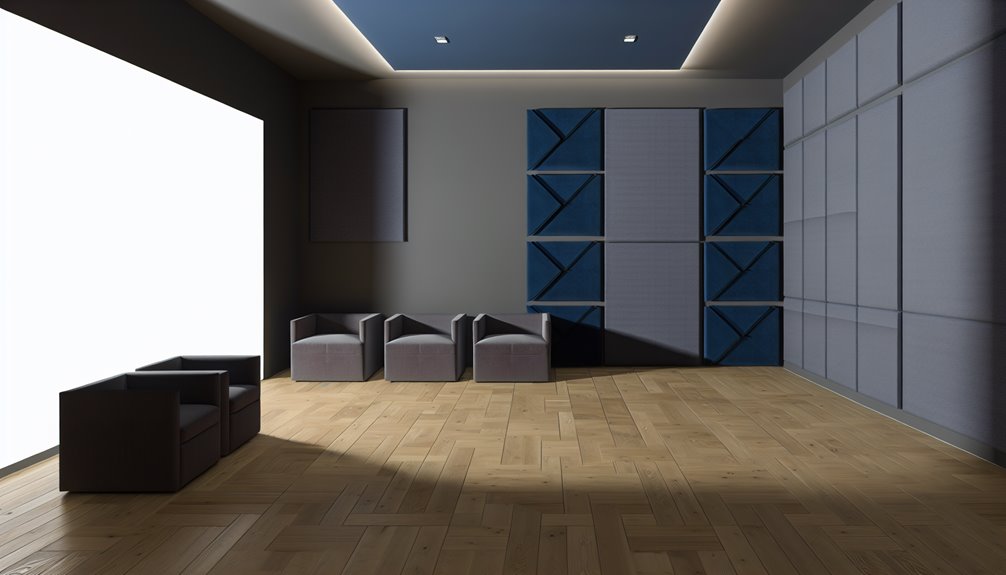
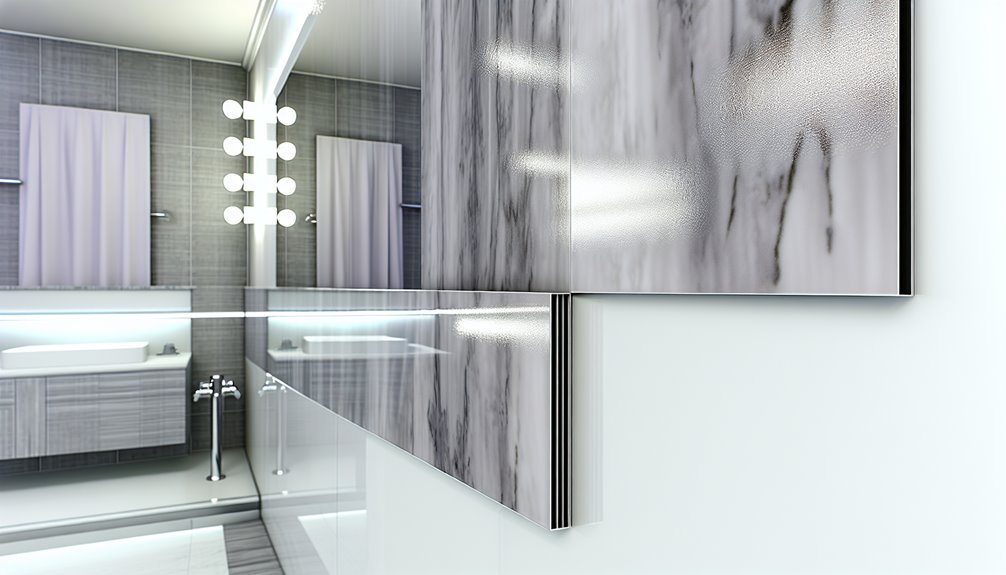
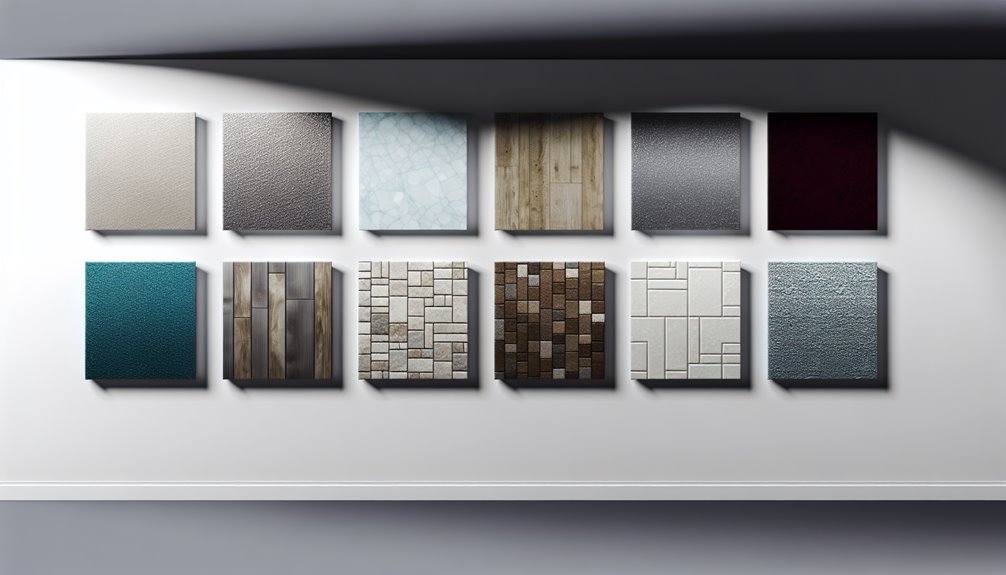
PVC laminated wall panels pair a rigid PVC core with a decorative laminate for stable, uniform wall cladding. They deliver controlled thickness, high scratch resistance, and moisture, stain, and impact durability. Fire-rated, low-VOC options aid compliance and hygiene goals. Formats include tongue-and-groove planks and large sheets, with colorways tuned to hospitality, healthcare, and workplace palettes. Custom prints, Pantone control, and magnetic backers support brand agility. Fast installation and predictable lifecycle costs reduce risk and punch lists. Next, see how to specify confidently.
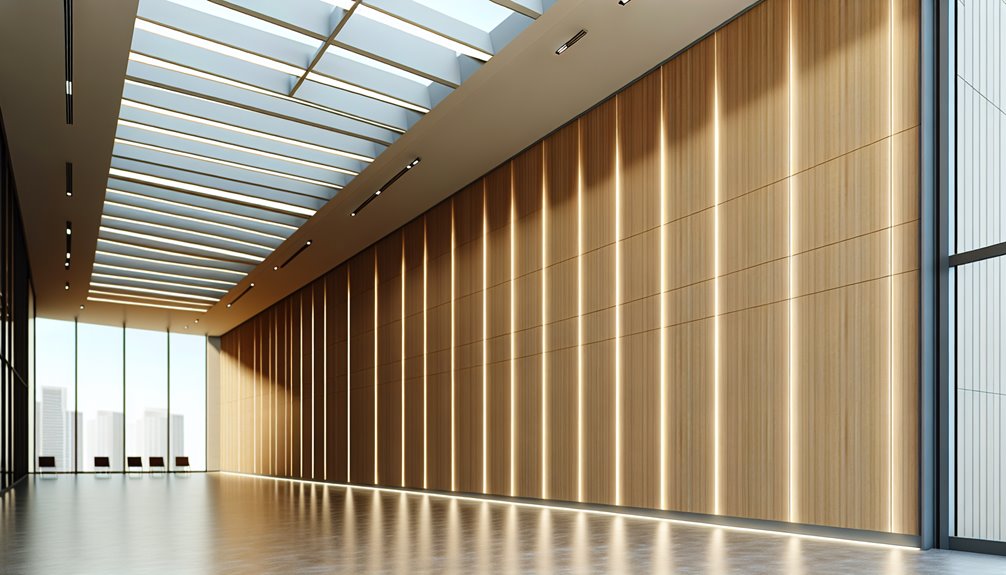
A PVC laminated wall panel is a rigid polyvinyl chloride substrate faced with a decorative, protective laminate film engineered for interior wall cladding.
It aligns substrate stability with a controlled surface finish, giving specifiers predictable thickness, edge integrity, and visual uniformity. The laminate layer is digitally or gravure printed, then top-coated for abrasion and cleanability; bond strength is managed through calibrated heat and pressure during lamination.
Substrate stability meets controlled finish for predictable thickness, clean edges, and uniform visuals; durable, heat-bonded laminated surface.
Core density and cell structure are tuned to resist warping under HVAC cycles. Formats include tongue-and-groove planks and large-format sheets to streamline layout logic.
Colorways track hospitality, healthcare, and workplace palettes, including woodgrains, stones, and matte solids. Fire testing, VOC disclosures, and batch traceability support documentation rigor and procurement discipline.
Predictability defines the value proposition: PVC laminated wall panels deliver controlled thickness, consistent surface quality, and reliable edge fidelity that compress install risk and punch-list friction.
Specifiers gain rapid, clean installations with minimal substrate prep, tight tolerances at joints, and dependable color continuity across batches. Panels resist impact, stains, and moisture, sustaining hygiene and aesthetics in high-traffic zones while simplifying maintenance cycles.
Fire-rated options and low-VOC finishes support code alignment and indoor air quality objectives. Digital print and texture libraries synchronize with brand standards without schedule penalties.
1) Confidence: fewer site variables, fewer callbacks, and steadier timelines.
2) Composure: stable budgets through reduced labor, rework, and waste.
3) Control: consistent performance data, repeatable results, and auditable quality.
The outcome is measurable certainty—durable surfaces, accelerated turnover, and predictable lifecycle costs across portfolios.
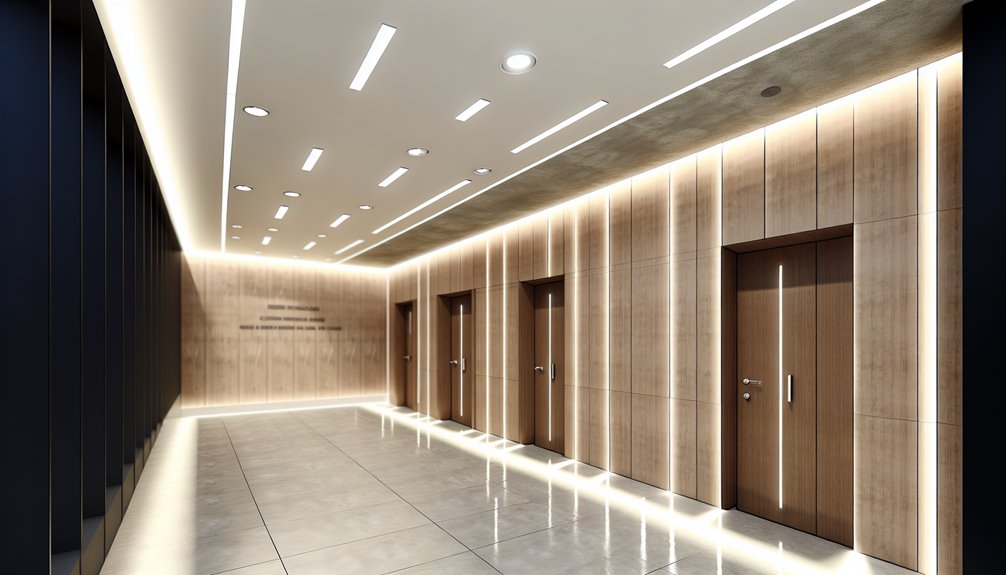
Specifiers should assess surface finish and laminate quality—UV coating integrity and scratch rating—alongside substrate and bonding reliability to guarantee lifecycle performance.
Selecting the right panel size, thickness, joint detail, and modular system supports fast installs, clean lines, and future flexibility.
Fire rating, acoustic performance, cleaning regime, and verified sustainability credentials or certifications round out a compliant, client-focused specification.
While core composition dictates structural performance, surface finish and laminate quality determine how PVC wall panels look, feel, and endure daily wear.
Specifiers should verify UV coating chemistry (acrylate vs. polyurethane) and cured film thickness; higher crosslink density improves gloss retention and yellowing resistance under LED and daylight exposure.
Scratch rating, quantified via ASTM/ISO methods (e.g., pencil hardness, Taber abrasion), provides a comparable benchmark; commercial corridors typically demand ≥H pencil hardness and low ΔE color shift after cycles.
Texture fidelity matters—registered embossing aligned to print reduces visual repeat and fingerprints. Anti-microbial and stain-repellent topcoats support hygiene without dulling finish.
1) Protect brand image—surfaces that stay pristine project confidence.
2) Reduce lifecycle cost—fewer touch-ups, less downtime.
3) Maintain control—predictable performance, spec-backed results.
Bond integrity sits at the core of PVC laminated wall panel performance, linking decorative film to substrate so loads, temperature swings, and moisture don’t trigger peel, blister, or telegraphing.
Specifiers should confirm adhesive chemistry matches service conditions: hot-melt PUR for high humidity and heat cycling; modified acrylic for rapid line speeds with stable interiors.
Verify surface energy and cleanliness of the substrate—corona or flame treatment and controlled dust removal elevate wet-out and long-term adhesion.
Demand third-party peel, shear, and creep data per ASTM or ISO, tested after conditioning (freeze–thaw, high RH, UV).
Assess laminate backer priming, bond-line thickness control, and edge-seal compatibility.
Require production traceability, batch certificates, and in-process adhesion checks to safeguard consistency across roll changes and colorways.
With adhesion strategy verified, attention shifts to form factor—panel size, thickness, and joint design—because these choices govern layout efficiency, visual continuity, and lifecycle cost.
Oversized panels reduce seam count and installation time, while standard modules simplify replacement and stocking.
Thickness selection balances impact resistance with weight; 6 mm suits light-traffic walls, 102 mm supports corridors or back-of-house zones.
Joint detailing—shiplap, tongue-and-groove, or concealed clip—controls tolerance absorption, hygiene, and visual rhythm.
Modular systems with coordinated trims, corners, and access panels accelerate fit-out and assure repeatable quality across phases.
1) Fewer seams, cleaner sightlines—confidence in every corridor.
2) The right thickness—calm under pressure, steadfast against daily use.
3) Modular logic—predictable installs, measurable savings, zero surprises.
Even before aesthetics, specification hinges on compliance and care: verify fire classification, understand acoustic targets, and define a cleaning protocol that preserves finish warranties.
Decision-makers should request third-party fire reports aligned to project codes (e.g., EN 13501-1 or ASTM E84), confirming both surface spread and smoke development, plus substrate/adhesive compatibility.
For acoustic control, match NRC/SAA or weighted absorption values to room use; consider perforated backers, decoupling layers, and sealed joints to prevent flanking paths while maintaining impact resistance.
Cleaning regimes must balance hygiene with coating integrity. Specify approved detergents (pH-neutral, non-abrasive), microfiber tools, and dilution ratios; prohibit solvents and scouring pads.
Document cleaning frequencies by traffic class, and require test data for stain resistance, disinfectant tolerance, and colorfastness to guarantee long-term visual consistency.
Compliance and care set the technical baseline; procurement then advances to environmental proof points that stand up to client and regulatory scrutiny.
Buyers now require third-party validation: EPDs quantifying cradle‑to‑gate impacts, HPDs disclosing formulation, and low‑VOC certifications (e.g., ISO 16000, CDPH/CA 01350) to protect indoor air quality.
Preference leans toward PVC with verified recycled content, REACH/RoHS compliance, and supply chains audited to ISO 14001.
Responsible end‑of‑life pathways—take‑back schemes, material identification for mechanical recycling, and clear WEEE alignment—reduce risk and Scope 3 exposure.
Documentation must map credits for LEED v4.1, BREEAM, and WELL, enabling predictable scoring.
1) Confidence: certified inputs reduce uncertainty and project variance.
2) Control: auditable data enables decisive specification.
3) Progress: measurable impacts move portfolios toward net‑zero trajectories.
Many programmes now treat the wall plane as a branded touchpoint, and PVC laminated panels have become a precise canvas for it. Specifiers can control colour fidelity with ICC-profiled print workflows, Pantone matching, and matte, satin, or gloss films to tune reflectance.
High-resolution UV or solvent prints embed logos, gradients, and wayfinding with abrasion-resistant topcoats. V-groove routing, edge band options, and modular panel sizing enable pattern continuity across corners and doors.
For changeable campaigns, magnetic receptive backers and interchangeable skins reduce downtime. Anti-graffiti, anti-microbial, and stain-resistant laminates protect graphics in high-traffic zones.
Fire-rated substrates and low-VOC inks align with compliance and health priorities. BIM-ready texture files aid approvals, while rapid prototyping—A3 swatches and mock-up bays—de-risks rollout.
Vendors offer data-driven brand guardianship across multisite portfolios.
Specifiers increasingly weigh PVC laminated wall panels against standard PVC panels for superior surface aesthetics, abrasion resistance, and ease of maintenance without a significant install penalty.
They also benchmark PVC laminated options against HPL/decorative laminate panels, comparing impact resistance, moisture tolerance, seam visibility, and lifecycle cost.
This section outlines where each system aligns with current hygiene standards, fast-track schedules, and brand-driven finishes.
For project teams weighing finish quality against lifecycle cost, the distinction between PVC laminated wall panels and standard PVC panels centers on surface performance, installation efficiency, and aesthetic range.
Laminated panels apply a fused decorative film that resists scratching, staining, and UV fade better than basic extruded PVC, sustaining a consistent sheen in high-contact zones. They arrive pre-finished, reducing onsite touch-ups and shortening punch lists.
Standard PVC offers a lower initial price, yet shows wear sooner and demands more frequent replacement in demanding corridors, retail fronts, and patient areas.
1) Confidence: Superior mar resistance and cleanability protect brand standards under pressure.
2) Control: Faster installs, fewer callbacks, and predictable finish outcomes.
3) Clarity: Broader design palettes align substrates, trims, and lighting for coherent visual systems.
After differentiating laminated PVC from standard PVC on durability and finish control, the next comparison weighs PVC laminated panels against HPL/decorative laminate systems on substrate, performance, and project delivery.
PVC laminated panels bond films to rigid PVC cores, delivering unified moisture resistance, integral color, and thermoformed edges that minimize seams. HPL typically overlays paper-based laminates onto MDF or particleboard, requiring separate edge-banding and careful moisture management.
Performance: PVC resists humidity, staining, and impact in wet or high-turnover zones; HPL offers superior scratch hardness and broader texture catalogs but depends on substrate stability. Fire ratings are achievable for both with specified formulations.
Project delivery: PVC panels install rapidly with lighter weight, fewer trades, and cleaner detailing; HPL assemblies demand precise fabrication, adhesive cure windows, and edge QA.
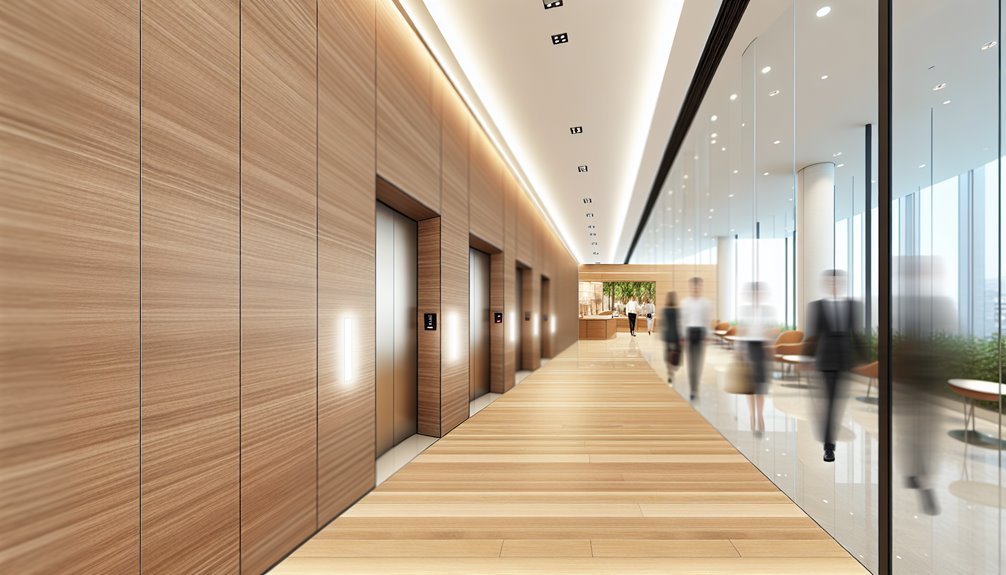
PVC laminated wall panels demonstrate clear advantages in hotel guest rooms and corridors, healthcare and hygienic environments, and retail/commercial fit-outs where durability, cleanability, and finish consistency are non‑negotiable.
Their moisture resistance and easy maintenance make them a reliable choice for bathrooms, changing rooms, and kitchen back‑of‑house zones without sacrificing aesthetic continuity.
For large-scale modular roll‑outs, the panels support repeatable specifications, faster install cycles, and predictable lifecycle costs across multi-site programs.
While hospitality design evolves toward quieter luxury and operational efficiency, hotel guest rooms and corridors benefit markedly from PVC laminated wall panels. Specifiers gain predictable performance: scuff-resistant skins manage luggage traffic, integral finishes reduce onsite painting, and modular formats accelerate turnovers.
Panels deliver consistent colorways and wood-, stone-, or textile-look surfaces with coordinated trims, enabling brand standards without custom lead times. Acoustically considerate cores and tight seams support restful environments, while cleanability keeps rooms inspection‑ready between stays.
1) Confidence in uptime: rapid install, minimal disruption, and durable edges withstand bell carts, housekeeping, and seasonal peaks.
2) Design control: curated textures, low‑gloss sheens, and repeatable SKUs maintain portfolio cohesion across properties.
3) Cost certainty: fewer repaint cycles, streamlined maintenance, and replace-in-place components protect RevPAR and schedules.
From high-traffic emergency departments to sterile processing and lab suites, healthcare environments demand finishes that balance infection control, uptime, and regulatory compliance.
PVC laminated wall panels deliver non-porous, wipe-clean surfaces compatible with hospital-grade disinfectants, reducing microbial harborage and turnaround time between procedures. Heat-welded seams and integrated trim minimize joints, supporting ISO and CDC-aligned protocols. Impact-resistant cores withstand trolley strikes and frequent bed movement, limiting repair cycles and disruption.
Panels install rapidly over existing substrates, enabling phased upgrades without shutting down critical paths. Moisture resistance mitigates delamination in humid areas, while chemical resistance protects against peroxide, quats, and chlorine.
Low-gloss, color-stable films reduce glare for staff comfort and wayfinding. Design options—color zoning, anti-graffiti finishes, and antimicrobial additives—help owners standardize, document, and audit hygiene performance with confidence.
In fast-paced retail and commercial environments—flagship stores, QSR back-of-house, pharmacies, and corporate lobbies—PVC laminated wall panels provide a durable, cleanable finish that accelerates build-outs and reduces lifecycle cost.
Specifiers value rapid installation with interlocking profiles, minimal substrate prep, and concealed fixings that deliver a refined, brand-consistent surface. Panels resist scuffs from carts and fixtures, support frequent wipe-downs, and maintain colorfastness under LED lighting.
Coordinated textures—matte, satin, and metal-effect—align with current visual merchandising trends while meeting FM requirements.
For remodel programs, panels enable phased, after-hours work, keeping stores open, preserving revenue, and protecting customer experience.
Because humidity, splashing, and routine sanitization stress conventional finishes, PVC laminated wall panels excel in bathrooms, changing rooms, and kitchen back-of-house.
Their closed-surface lamination resists moisture ingress, delamination, and staining, maintaining a hygienic, wipe-clean finish under aggressive cleaning schedules. Heat-welded or sealed joints limit microbial harborage, supporting compliance with HACCP and local health codes.
Impact-resistant cores withstand trolley traffic and locker-room use, while antimicrobial laminates and low-VOC options align with wellness and indoor air goals.
Design control remains high: panels deliver color-stable, scratch-resistant textures—matte, satin, or stone and tile effects—without grout maintenance.
Rapid installation over existing substrates reduces downtime. Fire-rated, slip-resistant trim kits, integrated corner guards, and coved skirtings complete wet-room detailing, enabling operators to standardize aesthetics and performance while minimizing lifecycle cost and intervention.
Beyond high-moisture rooms, the same performance attributes make PVC laminated wall panels a reliable backbone for large-scale modular roll-outs across hospitality, healthcare, quick-service restaurants, and retail networks.
Specifiers value fast, clean installs; panels cut onsite, lock to substrates, and deliver consistent gloss, texture, and color across multi-unit programs.
Factory-applied laminates resist impact, stains, and disinfectants—critical for uptime in 24/7 environments.
Standardized SKUs streamline procurement, while UL-listed fire ratings and low-VOC options satisfy compliance and ESG reporting.
Coordinated trims, corners, and access panels reduce field variability and punch-list risk.
1) Confidence: predictable lead times, uniform finishes, fewer change orders.
2) Control: modular kits, phased deployment, minimal operational disruption.
3) Momentum: scalable installation crews, repeatable details, accelerated brand refresh cycles.
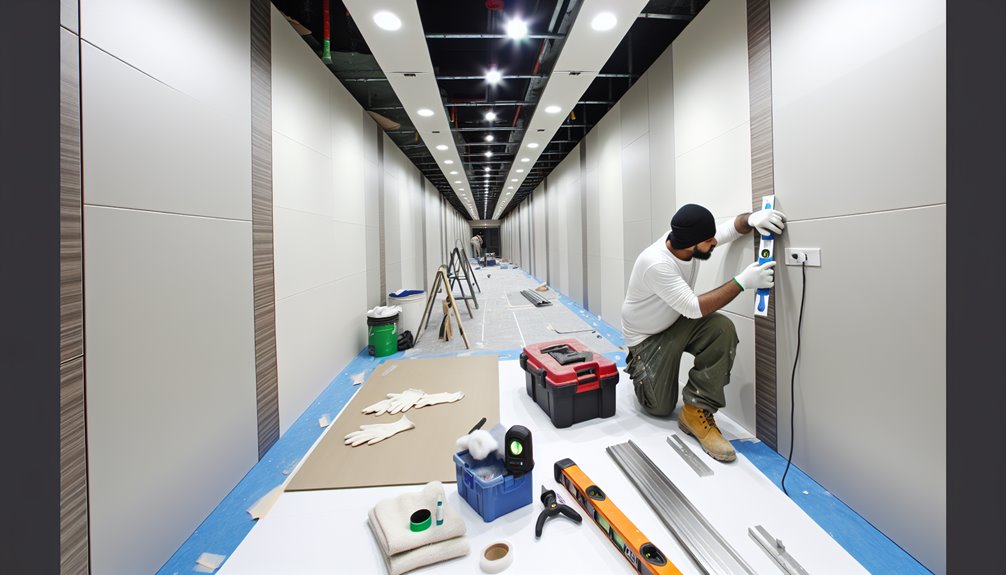
Few decisions impact performance and longevity of PVC laminated wall panels more than disciplined installation and proactive maintenance.
Successful outcomes begin with substrate verification—flatness within manufacturer tolerance, moisture content checked, and surface primed or sealed as specified. Installers dry-fit panels, maintain expansion gaps, and use compatible adhesives or mechanical fasteners, observing cure times and temperature/humidity ranges.
Seams are aligned with laser guides; edges are sealed at wet zones to prevent capillary ingress.
Post-installation, a commissioning clean using pH-neutral agents preserves the laminate sheen and warranty integrity.
Routine care favors microfiber tools, diluted non-abrasive cleaners, and immediate removal of inks or solvents.
Quarterly inspections target joints, terminations, and impact points; prompt re-caulking and spot repairs prevent escalation.
Documented maintenance schedules support compliance, brand standards, and lifecycle cost control.
After disciplined installation and proactive maintenance set the baseline for performance, project teams often ask which system best sustains that standard over time.
Phili Green answers with PVC laminated wall panel systems that combine European-quality aesthetics and measurable reliability. Designs are modern, customizable, and sustainability-forward, enabling precise brand alignment across lobbies, corridors, guest rooms, and façades.
Panels use durable, water- and fire-resistant, formaldehyde-free materials, reducing risk while preserving indoor air quality. A seasoned installation team delivers flawless finishes and resolves issues swiftly, supporting schedule certainty and lifecycle value.
Consistent client testimonials validate responsiveness and long-term trust.
Yes. Many PVC laminated panels can meet Class A/1 fire and low-smoke classifications when tested per ASTM E84 or EN 13501. Compliance depends on product formulation, thickness, substrate, and installation; clients should demand third-party certifications and project-specific documentation.
They typically resist moisture, chlorine, and salt exposure, maintaining dimensional stability and cleanability. Performance hinges on sealed edges, corrosion-proof fasteners, UV-stable laminates, and routine washdowns. Specifiers confirm ASTM D543 chemical resistance, ASTM D2247 humidity, and accelerated salt-spray results for lifecycle assurance.
Lead times typically span 4 weeks; minimum order quantities often start at 30000 sq ft per finish. Like a well-tuned supply chain, options include rush programs, color-matching, sample proofs, and staggered deliveries, with contractual milestones ensuring schedule control.
Yes. Panels accept antimicrobial and anti-graffiti coatings, factory-applied or post-installed, without compromising adhesion or fire ratings. Specifiers can select ISO- or EPA-registered chemistries, define gloss, abrasion class, and cleaning tolerances, and request certification documentation, maintenance protocols, and mock-up verification before approval.
Yes. Like interlocking shields, the panels accept standard wall guards, trims, and corners via compatible profiles, predictable reveals, and substrate anchoring. Spec sheets map tolerances; field-trimmability and color-matched accessories guarantee controlled shifts and retrofit-friendly alignment with existing protection.
To sum up, specifiers seeking polished performance and purposeful aesthetics find PVC laminated wall panels a smart, scalable solution. They deliver durable design, swift setup, simplified sanitation, and sustainable sensibility—meeting codes, budgets, and brand standards. Compared with alternatives, panels provide cleaner construction, consistent quality, and customizable finishes that track current trends. With clear installation guidance and minimal maintenance, interiors stay sharp and sanitary. Selecting Phili Green secures proven performance, precise detailing, and project-driven support—ensuring spaces look better, last longer, and live up to client expectations.