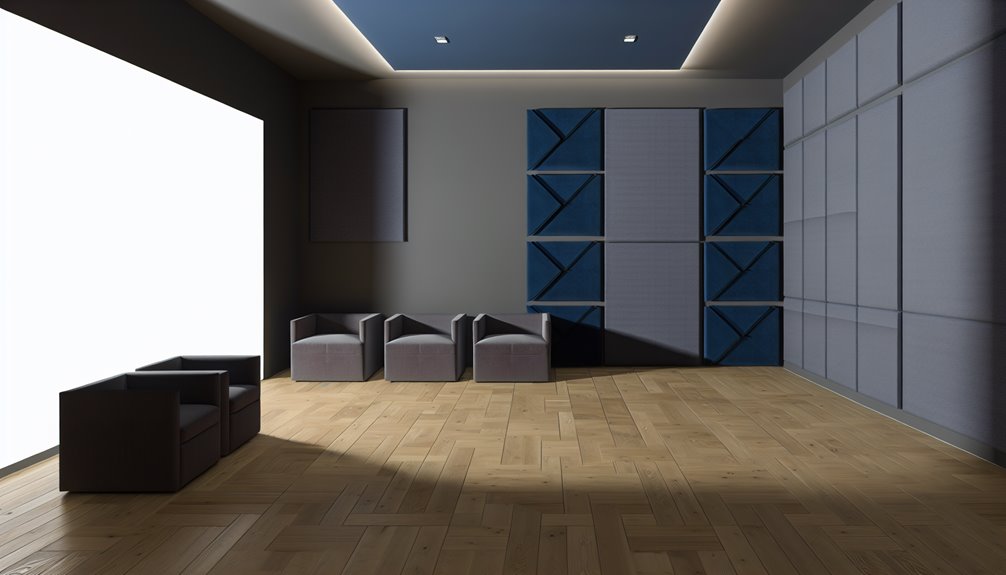
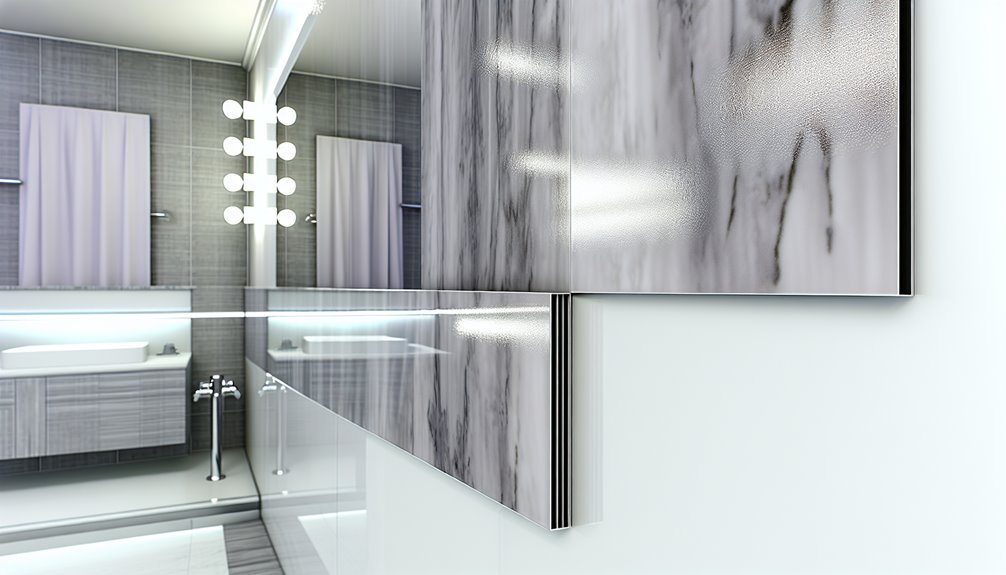
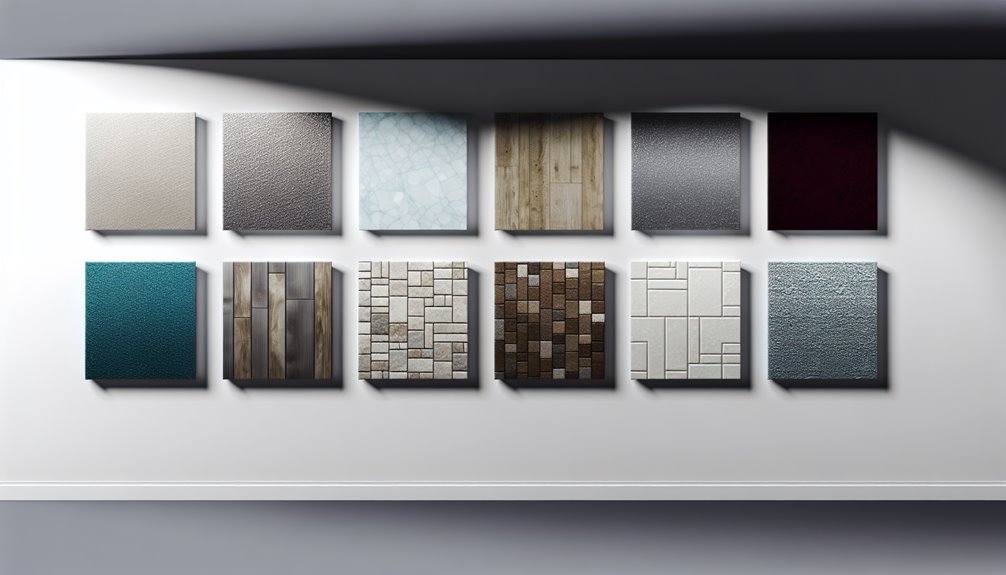
In the domain of modern interior design, laminated panels emerge as a harmonious blend of function and form, transforming ordinary spaces into visually stunning environments. Crafted from a core substrate enveloped in a decorative laminate, these panels offer a seamless fusion of durability and aesthetic charm. Their ability to replicate natural textures while providing resistance to moisture and stains makes them indispensable in contemporary settings. Curious about their true potential? The journey unfolds ahead.
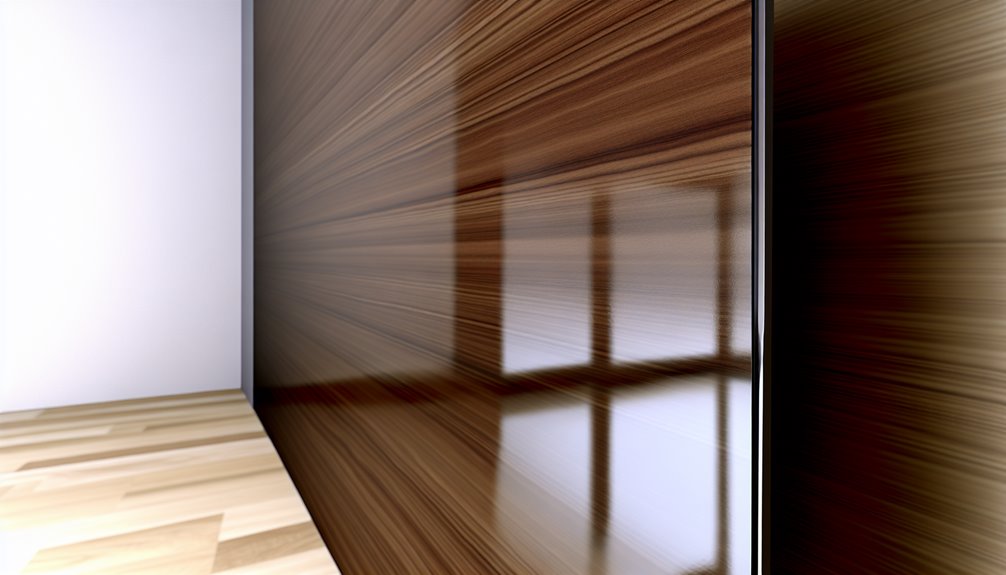
What is a laminated panel? A laminated panel is defined as a multi-layer composite panel consisting of:
This structure enhances durability, stability, and visual quality. Unlike painted or uncoated surfaces, a laminated wall panel offers consistent texture, colour accuracy, and long-term performance even under daily wear.
Different types—such as PVC laminated panels, high-pressure laminate (HPL) panels, and composite laminated panels—address varying project needs, from moisture-heavy environments to high-impact commercial spaces.
In short, laminated panels provide a refined, durable, and modern solution for achieving both beauty and resilience in today’s interior environments.
Laminated panels serve as a harmonious fusion of form and functionality, elevating interior spaces with their refined aesthetics and robust performance.
These wall laminate panels offer a versatile palette of design options, including wood, stone, and textured finishes, allowing for boundless creativity in personalizing spaces.
When it comes to durability, decorative laminate panels stand out with their moisture- & stain-resistant properties, making them ideal for kitchens and bathrooms where conditions are often challenging.
Additionally, the low maintenance & easy cleaning attributes of laminated wall panels guarantee that they remain pristine with minimal effort, offering a practical solution for busy lifestyles.
Their cost-effectiveness, combined with faster and cleaner installation, makes laminated panels a prudent choice for those seeking elegance without extravagance.
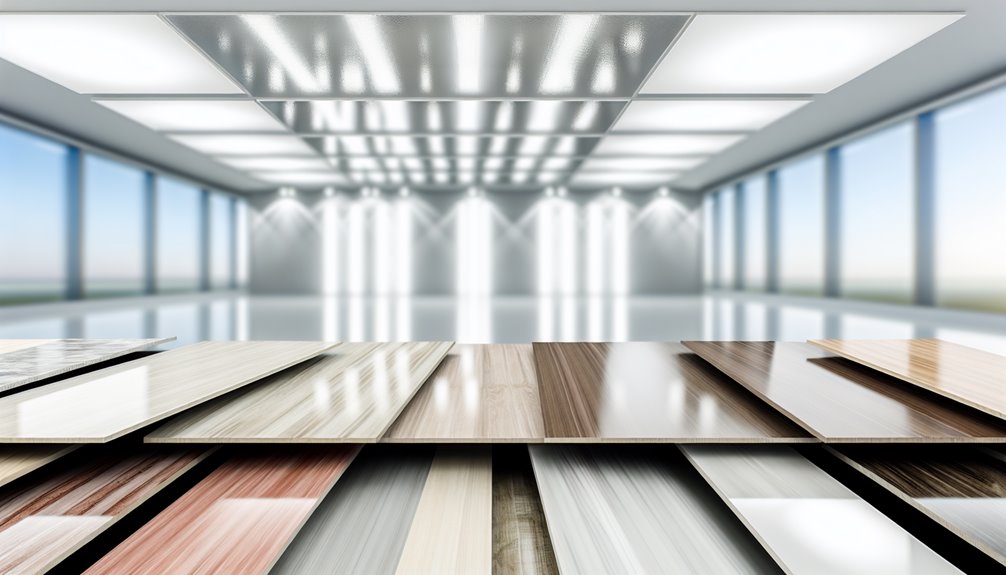
Within the domain of laminated panels, a symphony of materials and types unfolds, each crafted to meet specific needs with elegance and precision.
PVC-laminated panels, with their lightweight and water-resistant nature, bring functionality to spaces demanding regular cleaning, while high-pressure laminate panels stand robust against the hustle of high-traffic environments.
Meanwhile, low-pressure laminate sheets offer a cost-effective solution for decorative interiors, and composite laminated panels harmonize diverse core materials for a balanced blend of moisture resistance and aesthetic allure.
PVC-laminated panels, a marvel of modern material innovation, deliver both practicality and elegance to interior spaces.
These panels, characterized by their lightweight yet robust structure, redefine the possibilities of laminate wall panel applications. With a water-resistant surface, PVC laminated wall panels are impeccably suited for wet zones or areas necessitating frequent cleaning, offering a pristine appearance and prolonged durability.
The seamless integration of design and function in these panels guarantees that they maintain their aesthetic charm while providing maximum protection.
Their versatility allows them to be employed across various settings, from residential to commercial environments, making them an ideal choice for those seeking control over both style and utility.
PVC-laminated panels embody an innovative approach to modern interior design solutions.
High-Pressure Laminate (HPL) panels are a leading choice for interior projects that require exceptional durability, superior surface performance, and high-end aesthetics. As one of the most robust laminated panel types available, HPL panels are widely used in high-traffic commercial spaces, including hospitals, schools, offices, and hospitality environments.
Engineered through a high-pressure manufacturing process, HPL creates a dense, impact-resistant surface that offers outstanding scratch resistance, abrasion resistance, and long-term stability. This makes HPL laminated wall panels ideal for areas where walls are exposed to frequent contact or cleaning.
| Feature | Benefit |
|---|---|
| Scratch Resistance | Withstands heavy use in busy spaces |
| Abrasion Resistance | Keeps surfaces looking new over time |
| High Durability | Performs reliably under daily wear |
These HPL laminate wall panels deliver a strong balance of visual appeal and functional performance, making them a dependable option for designers and builders who need laminated panels for walls that will maintain their appearance even in demanding environments. Their composite laminate structure ensures long-lasting quality, combining style with the endurance required for modern commercial interiors.
Low-Pressure Laminate, a budget-friendly option in the world of decorative interiors, offers an enchanting blend of affordability and visual charm.
These laminates, crafted for light-use applications, provide an alluring aesthetic without compromising on cost-effectiveness. Embracing a palette of colors and textures, they transform mundane walls into vibrant canvases, capturing the nuanced elegance desired in contemporary design.
Ideal for residential settings, these sheets lend a sophisticated finish to interior surfaces, blending seamlessly with diverse decor styles.
Their lightweight composition makes them easy to handle and install, granting users the control and flexibility needed for personalized design projects.
Whether used as ornamental overlays or subtle accents, low-pressure laminate sheets serve as a versatile tool for achieving aesthetic excellence.
As the charm of low-pressure laminate sheets captivates residential interiors with their affordability and elegance, the domain of composite laminated panels showcases a different layer of sophistication.
These panels are crafted by harmoniously blending core materials such as wood-based substrates or PVC with a laminate surface, achieving a sublime balance of moisture resistance, durability, and visual allure.
Each component contributes to a nuanced performance, ensuring that the panels not only meet stringent aesthetic standards but also offer resilience in demanding environments.
This meticulous composition grants designers and homeowners alike a palette of options, from robust wood grains to sleek contemporary finishes, enabling them to curate spaces that resonate with personal style and functional precision.
Composite laminated panels consequently redefine interior elegance with understated authority.
Laminated panels, a sophisticated blend of form and function, find their place across a variety of environments where aesthetics and durability are essential.
In wall decoration, they effortlessly enhance natural textures, offering warmth in homes, offices, and public areas while accommodating diverse styles.
Ceiling applications see laminated wood veneers transforming spaces in high-end residences, hotels, and restaurants, adding visual depth and architectural elegance.
Furniture designs benefit from their textured appeal, providing durability and aesthetic longevity to cabinets and tabletops.
Outdoors, balconies and porches gain energy through natural wood textures, creating inviting atmospheres.
In commercial and public spaces, laminated panels contribute to the stylish ambiance of hotels, restaurants, and libraries, meeting modern demands for eco-friendly sophistication.
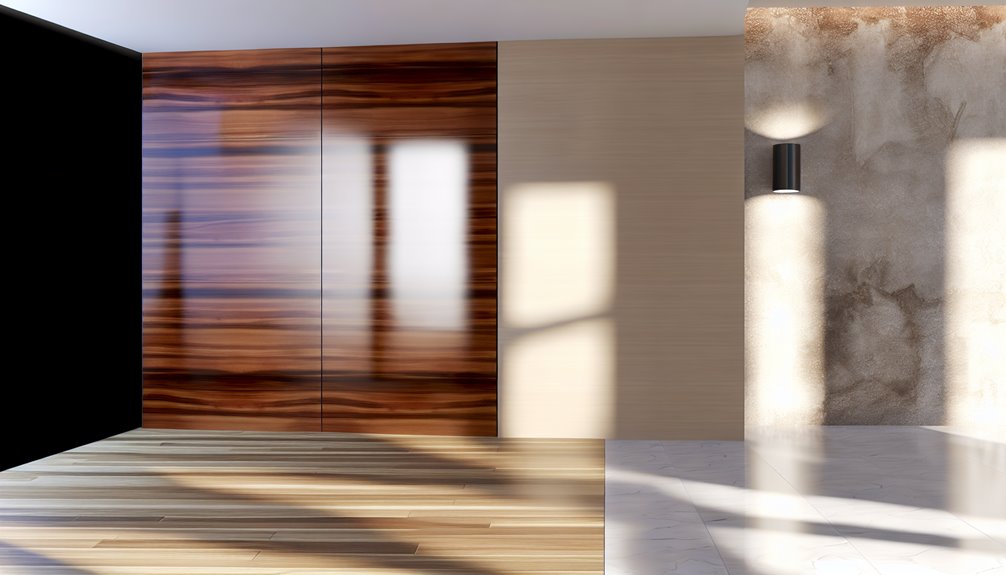
In the domain of interior design, laminated panels present a sophisticated alternative to traditional wall materials like paint and wallpaper, offering a fusion of durability and visual elegance.
When juxtaposed with tiles or stone panels, laminated panels provide a lightweight yet robust option that effortlessly mimics the grandeur of natural textures.
Compared to wood or veneer panels, they boast an innovative blend of style and resilience, tailored to withstand the rigors of modern living spaces while maintaining a timeless allure.
While exploring wall and surface materials, it becomes apparent that the choice between paint, wallpaper, and laminated panels is not merely a matter of preference but one of impact and longevity.
Paint, though affordable and easy to apply, lacks depth and requires frequent touch-ups due to chipping.
Wallpaper, with its decorative flair, brings patterns and textures but struggles with durability, often peeling in humid conditions.
Laminated panels offer a sophisticated alternative, combining aesthetic appeal with robust performance.
Laminated panels therefore stand as a superior choice, harmonizing beauty with resilience, suitable for those seeking lasting interior refinement.
When contemplating the juxtaposition of laminated panels against tiles or stone panels, one should consider both the aesthetic and practical dimensions of these materials.
Laminated panels offer a streamlined installation process, devoid of the complex grout lines that accompany tiles or stone, thereby reducing maintenance and cleaning efforts. Their lighter weight and cost-effectiveness position them as an appealing alternative to the heftier, often pricier stone panels.
Additionally, laminated panels provide the advantage of easy replacement or repair, ensuring longevity and adaptability in interior applications.
While tiles and stone panels exude a timeless, natural allure, laminated panels present a modern versatility that accommodates both budget and design flexibility, appealing to those who seek control over their living spaces.
Shifting focus from tiles and stone, the comparison between laminated panels and wood veneer panels unfolds a rich tapestry of texture and style that speaks to both aesthetics and function.
The allure of wood veneer lies in its natural grain patterns and eco-friendliness, offering warmth and sophistication. In contrast, laminated panels deliver practicality with their resistance to scratches, moisture, and heat.
The decision between these materials often hinges on specific needs:
Ultimately, the choice reflects personal priorities and aesthetic goals.
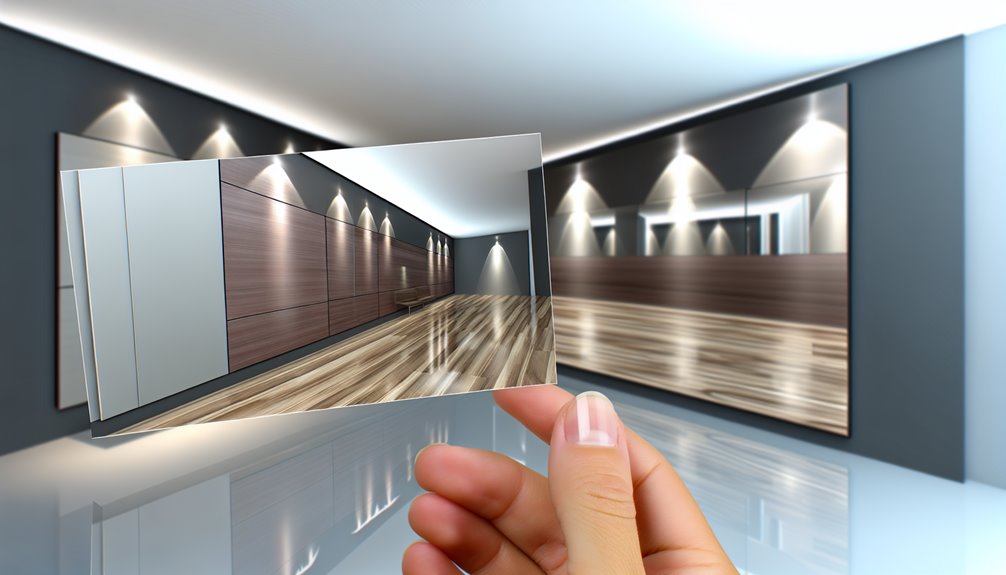
Choosing the right laminated panel for a project requires a meticulous blend of aesthetic vision and practical considerations. The discerning individual must first determine the intended environment—be it a wet zone, high-traffic area, or purely decorative space.
This decision directs the choice of material, such as PVC, HPL, or composite. Surface finish—gloss, matte, or textured—should align with design aspirations. Performance demands include moisture, scratch, and impact resistance, alongside ease of cleaning.
Installation and maintenance costs further influence selection, with laminated panels often minimizing future upkeep. Additionally, evaluating environmental credentials like low-VOC emissions or recyclable cores guarantees eco-conscious choices.
This thorough approach empowers control over both style and functionality, crafting an ideal space.
Despite their widespread use and popularity, laminated panels are often shrouded in misconceptions that can mislead potential users.
These panels, while versatile, are not universally flawless. A few key limitations often overlooked include:
Understanding these limitations aids in making informed choices.
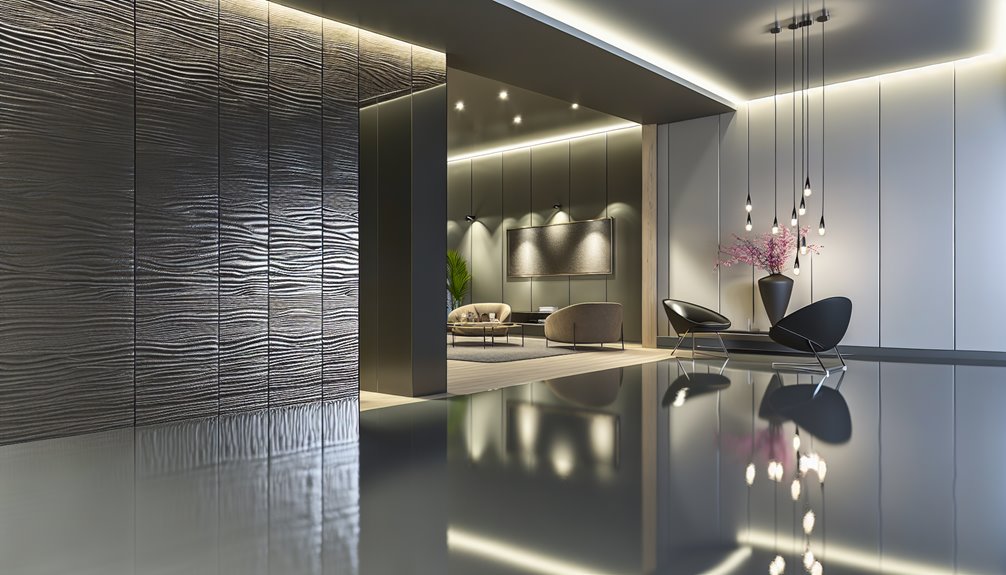
Phili Green’s laminated wall panels offer a level of design flexibility, performance consistency, and material quality that sets them apart from conventional wall finishes. Each panel is engineered with a strong focus on modern aesthetics, delivering clean lines, refined textures, and customisable finishes that elevate interior environments across hospitality, healthcare, commercial, and residential projects.
Our panels are built from high-performance, water-resistant and fire-resistant materials, and are completely formaldehyde-free, supporting healthier indoor air quality and long-term sustainability. This makes Phili Green an excellent choice for projects that require both strict safety standards and premium visual outcomes.
To ensure superior results, Phili Green provides professional installation support, including modular assembly systems and detailed technical guidance. Our experienced team helps achieve seamless alignment and flawless finishing—an essential advantage for large-scale, time-sensitive fit-outs.
Trusted by a growing portfolio of clients, Phili Green is consistently recognised for technical expertise, reliable project execution, and a strong commitment to sustainable building practices. Our laminated wall panel systems integrate advanced manufacturing technology with European-inspired design, offering a durable, future-ready solution for modern interior spaces.
Request samples, technical datasheets, or a project consultation today and discover how Phili Green laminated wall panels can enhance your interiors with long-lasting style and reliability.
Laminated panels require gentle cleaning with a soft cloth and mild detergent, avoiding abrasive materials. Regular dusting preserves their aesthetic allure, while immediate attention to spills guarantees long-term durability and maintains their pristine appearance, satisfying discerning tastes.
Laminated panels can indeed be customized with personal designs, as over 60% of manufacturers offer bespoke options. This flexibility allows individuals to tailor aesthetics precisely, ensuring their creative vision aligns with the desired interior ambiance and personal style.
Laminated panels can be eco-friendly if manufactured using sustainable materials and processes. However, their recyclability varies. While some components may be recyclable, others, particularly resins, often complicate complete recycling, challenging those seeking environmentally conscious design choices.
The installation of laminated panels involves precise measurements, cutting with accuracy, and securing with strong adhesives or fasteners. Meticulous alignment confirms aesthetic continuity, while attention to detail assures a seamless finish, fulfilling the desire for controlled perfection.
Laminated panels subtly enhance insulation and acoustics, blending functionality with style. Their layered composition dampens sound and retains heat, offering an elegant solution for those seeking control over their environment’s sensory experience and energy efficiency.
Laminated panels, with their blend of function and style, are the unsung heroes of modern interior design. Like killing two birds with one stone, they deliver both durability and visual appeal. These versatile panels, suitable for kitchens, bathrooms, and beyond, offer an array of textures and finishes that mimic the beauty of nature while resisting moisture and stains. As discerning designers explore their options, laminated panels stand out as an elegant, efficient choice for transforming spaces with ease.