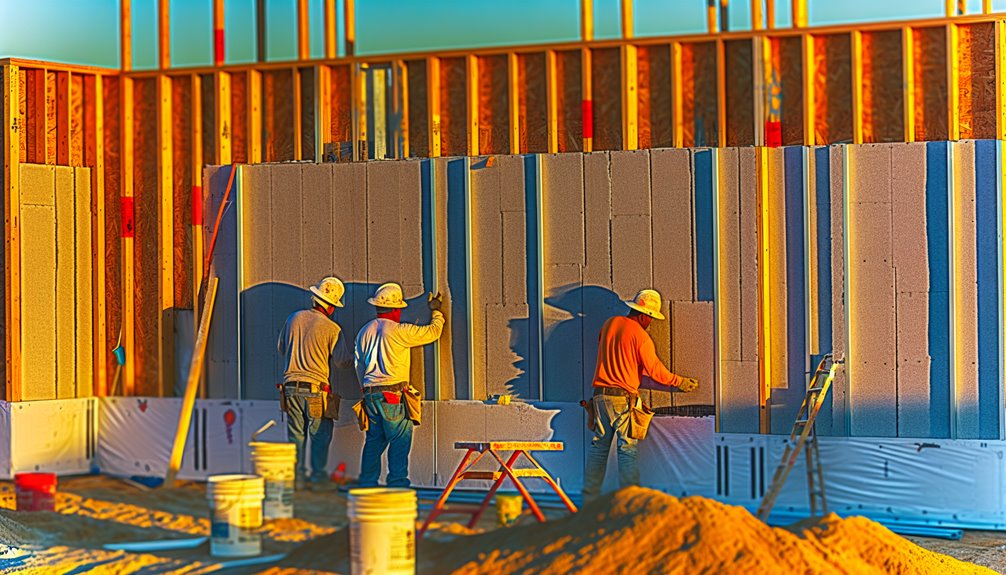
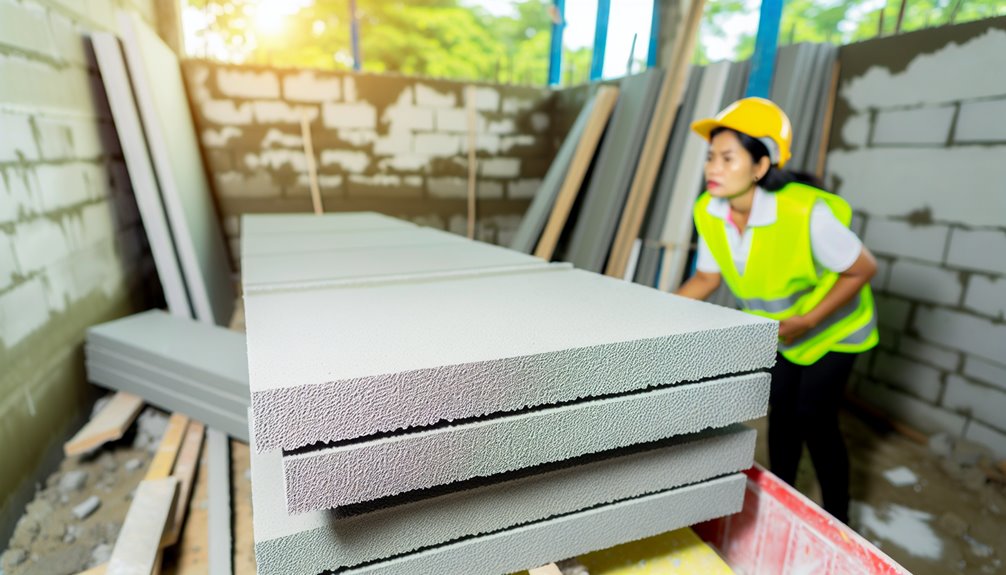
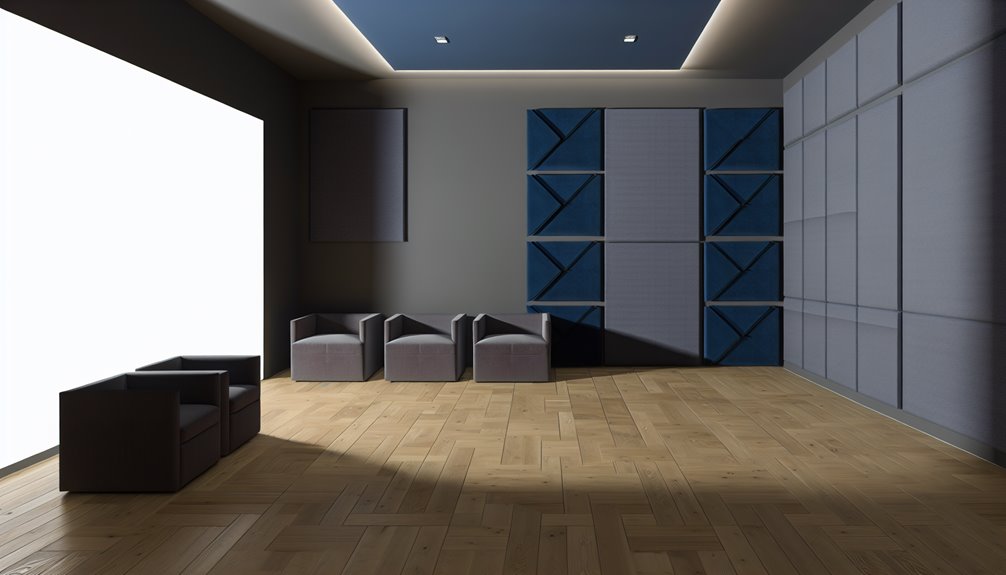
What is cement board? Cement board is a robust building material made from a dense Portland cement core reinforced with fiberglass or fiber mesh. Its inorganic composition makes it well suited for moisture-prone areas, as it resists mold and mildew more effectively than traditional drywall. Commonly used as tile backing and flooring underlayment, cement board also provides added fire and impact resistance. However, understanding where it performs best—and where it may not be the right solution—is essential for proper application in construction projects.
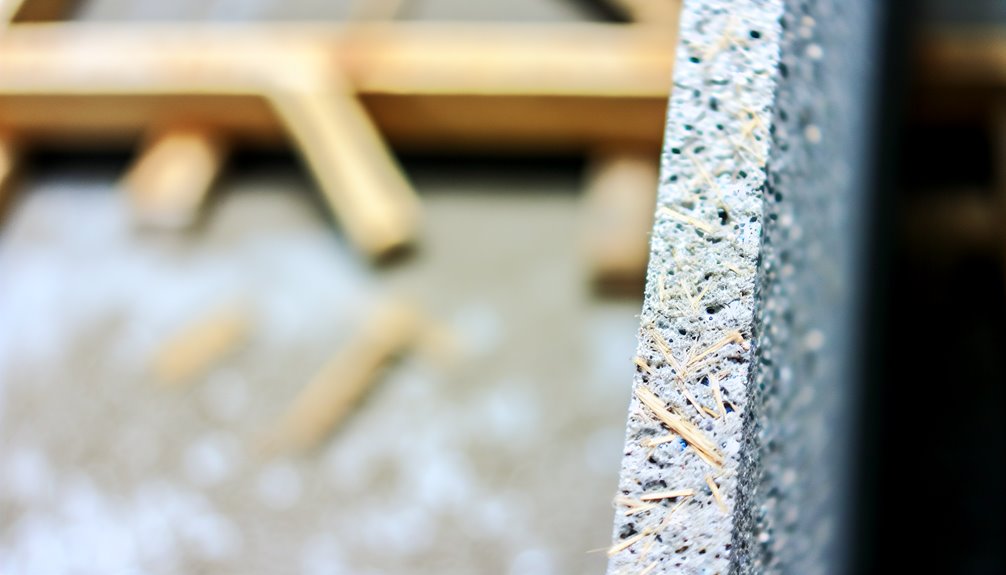
Cement board is composed of a dense core of Portland cement, reinforced with a mesh made of either fiberglass or fiber, creating a durable and rigid panel. This inorganic composition makes it an ideal material for a variety of cement board applications.
As a cement backer board, it provides essential support in areas exposed to moisture, such as bathrooms and kitchens. Its resistance to mold and mildew, due to the absence of paper facing, enhances its suitability for wet environments.
The cement board's strength and rigidity also make it a preferred choice for exterior installations, providing a reliable substrate for stucco and veneer systems. Its versatility extends to countertops and backsplashes, offering a stable, long-lasting base for tile installations.
In construction, the differentiation between cement board, fiber cement, and gypsum board is essential for selecting the appropriate material.
Cement board, made from cement and reinforcing fibers, is commonly used as a substrate in wet areas, exhibiting superior moisture resistance compared to drywall. The comparison of cement board vs drywall highlights that gypsum board, or drywall, is primarily used for interior walls and ceilings but lacks the moisture durability necessary for bathrooms and kitchens.
Fiber cement board, on the other hand, combines natural fibers with cement, providing strength and durability for exterior cladding. While it offers resistance to rot and fire, it serves a different role than cement backer board, which is ideal for interior substrates.
Many specification errors occur due to confusion between these materials.
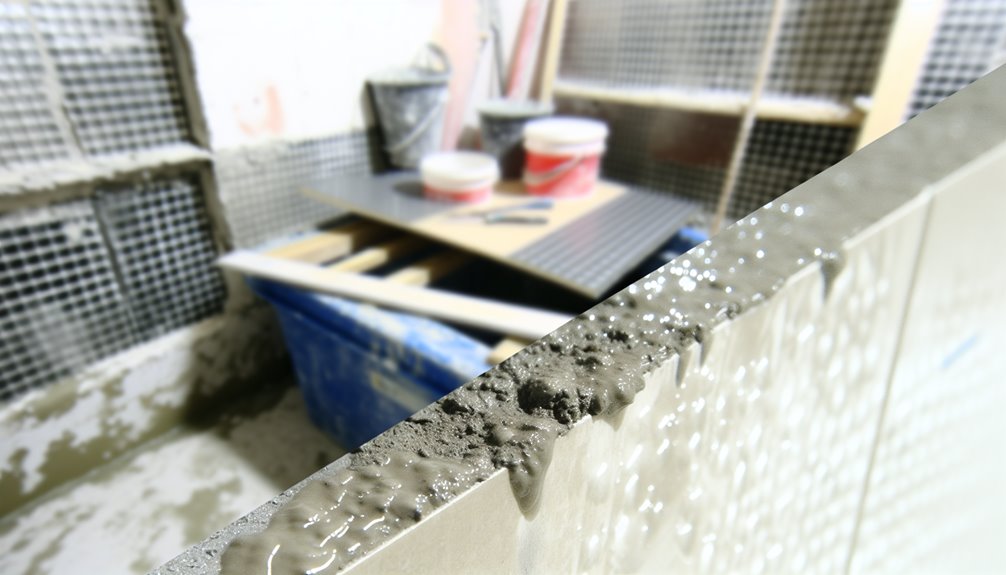
Although not inherently waterproof, cement board's resistance to moisture damage makes it an ideal choice for wet and high-moisture areas.
This moisture-resistant board is commonly used as a tile backing in showers and bathrooms, where exposure to water is prevalent. Cement board installation in these settings provides a reliable underlayment, ensuring durability and preventing mold and mildew growth.
Its composition offers excellent stability, making it suitable for flooring underlayment in areas that experience frequent water exposure.
While it effectively resists moisture, it is essential to note that cement board should be paired with additional waterproofing measures, such as membranes or caulking, to enhance its performance in environments exposed to water but not weather conditions.
Renowned for its non-combustible composition, cement board offers enhanced fire resistance, making it a preferred choice in commercial interiors. Its improved performance over gypsum contributes to a safer environment, particularly in public and semi-commercial buildings.
Cement board's non-combustible nature enhances fire safety, surpassing gypsum in commercial interiors.
Cement board's robust nature provides higher impact resistance, ideal for service areas where durability is essential.
The advantages of using cement board in commercial settings include:
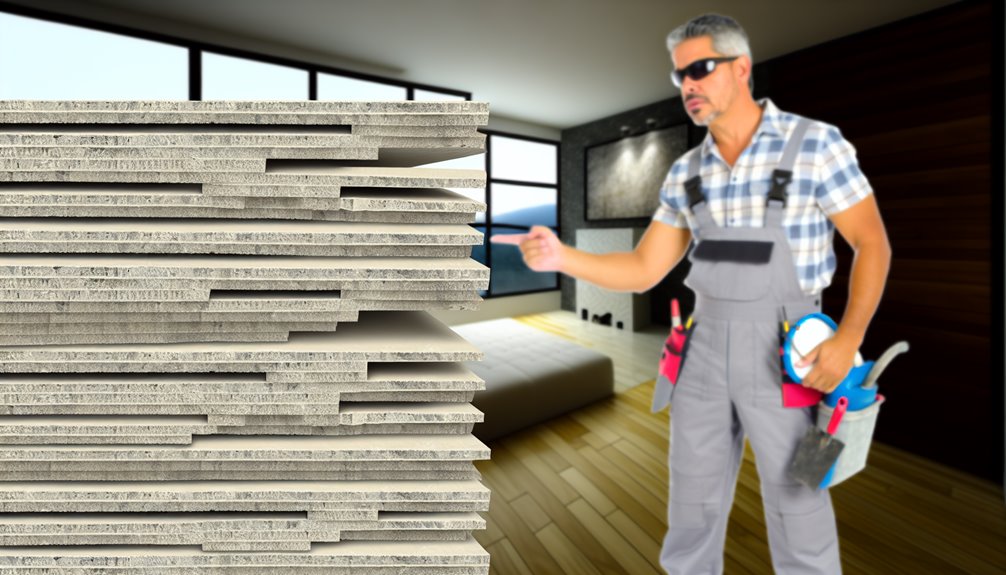
While cement board is versatile and durable, it is unsuitable for certain applications. Cement board should not be used for structural load-bearing applications, as it lacks the necessary strength.
Additionally, direct exterior exposure without protection is not recommended, since cement board, though a robust wet area wall substrate for interior use, is not designed to withstand the elements without a protective barrier.
It is also not suitable for situations requiring decorative finished surfaces, as it serves as a substrate rather than a finished façade material.
For these reasons, careful consideration must be given to the material's intended use to guarantee it aligns with its capabilities and limitations, particularly in interior settings where specific aesthetic finishes are desired.
Cement board is a versatile material widely used in construction, yet there are common missteps that can undermine its effectiveness. Understanding what is cement board and its role as a tile backer board is essential to avoid these errors.
Common mistakes include:
These mistakes can lead to increased expenses without enhancing performance.
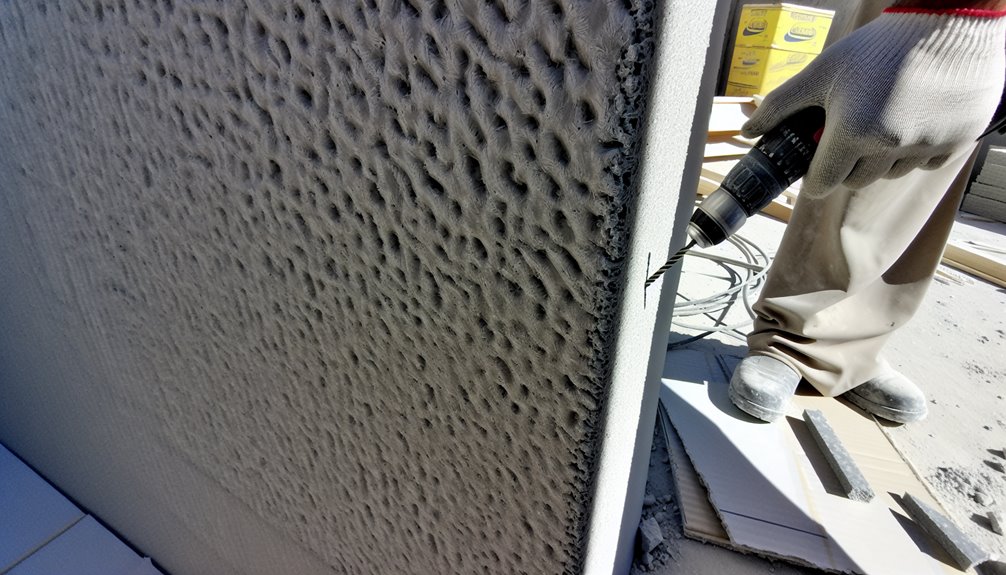
In the domain of construction materials, choosing between cement board and drywall hinges on specific environmental demands.
Cement board excels in moisture resistance, making it suitable for wet areas such as bathrooms and kitchens. It also offers superior fire behavior, enhancing safety in high-risk zones. However, its installation requires more effort and specialized tools, influencing labor costs.
In contrast, drywall is easier to install and finish, proving cost-effective for standard indoor spaces like living rooms and bedrooms. Yet, it lacks the moisture and fire-resistant properties of cement board, limiting its use in humid or high-temperature environments.
Repairing drywall is simpler, but its vulnerability to water damage requires careful consideration.
The choice ultimately depends on the specific needs of the environment.
When exploring the types of cement board available, one can identify standard cement backer boards, which are commonly used for tile installations in wet areas.
Fibre-reinforced cement boards offer enhanced strength due to their composition, making them suitable for more demanding applications.
Additionally, specialty moisture-resistant boards are designed to provide extra protection against water damage, ideal for high-humidity environments.
Among the various types of cement board, the standard cement backer board stands out for its versatility and durability. It serves as an essential underlayment in numerous construction projects, particularly in areas exposed to moisture.
This type of board is composed of a blend of cement and reinforcing fibers, offering a robust solution for both indoor and outdoor applications.
Key benefits include:
These features make it a preferred choice for many builders and contractors.
Although often overlooked, fibre-reinforced cement board plays an essential role in modern construction. This material is a composite of cement and cellulose fibers, offering enhanced strength and flexibility compared to traditional cement board.
It is particularly valued for its ability to withstand impact and resist cracking, making it suitable for both interior and exterior applications. Its durability is complemented by its resistance to rot, fire, and termites, contributing to long-term performance.
Fibre-reinforced cement board is often employed as a substrate for tile installations, siding, and roofing underlayment. Its ease of handling and installation further enhances its appeal, allowing for straightforward cutting and fastening.
As a versatile and resilient option, it meets diverse construction needs efficiently.
Specialty moisture-resistant boards, crafted to withstand humid conditions, are essential in areas prone to dampness.
These boards offer enhanced protection and durability, making them ideal for bathrooms, kitchens, and laundry rooms. They differ from standard cement boards due to their advanced composition, which includes specialized additives or coatings to repel moisture more effectively.
The benefits of using these boards include:
When installing cement board, attention to proper fastening methods is essential for best performance. Fasteners must be appropriately spaced and secured to avoid movement, which can compromise the board’s stability.
Joint treatment and sealing are important; using cement board tape and a suitable compound helps reinforce and protect joints from moisture ingress. Integrating waterproof membranes enhances the board’s resistance to water, particularly in wet areas.
Cutting and handling requirements must be followed carefully to prevent edge damage, which can weaken the board. The score and snap technique is recommended for precise cuts.
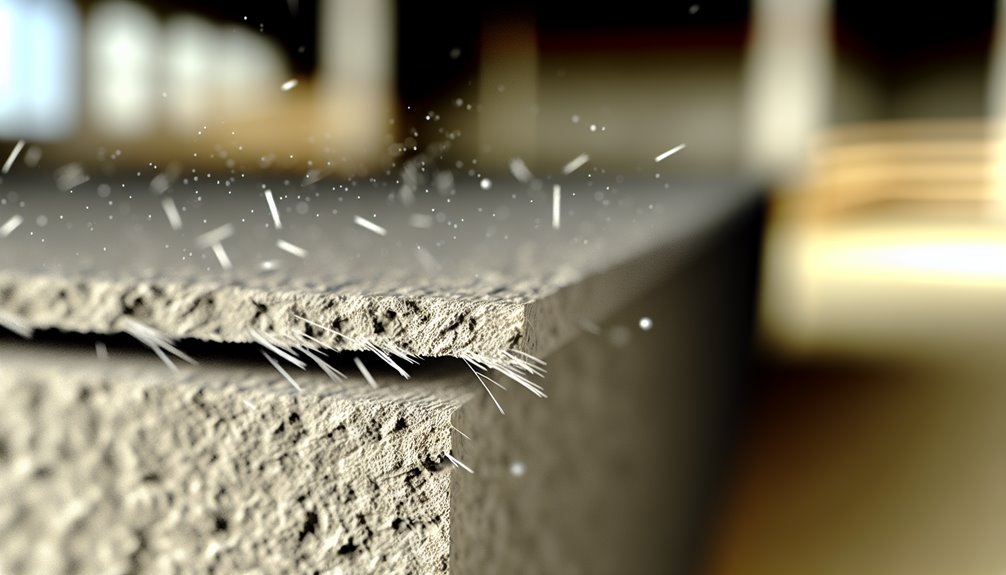
How long can cement board truly endure in demanding environments? Cement board's lifespan in interior wet areas hinges on several factors. Its performance under tile systems is generally robust, but longevity is influenced by the overall design and installation of the system.
Here are essential considerations:
Understanding these elements guarantees cement board delivers lasting performance.
Cement board can be painted directly, but preparation is key. Imagine a smooth, primed surface, ready for transformation. Sealing with a primer guarantees vibrant colors adhere well, resisting moisture, and creating a lasting, beautiful finish.
Cement board is not inherently environmentally friendly. While it is durable and long-lasting, its production involves energy-intensive processes. However, it offers benefits like mold resistance and durability, which can contribute to long-term sustainability in construction.
Cement board, like a steadfast guardian, withstands temperature fluctuations with resilience. Its composition guarantees minimal expansion and contraction, preventing cracking. Ideal for diverse climates, it maintains structural integrity, offering reliable performance in both hot and cold environments.
Cement board can be used for soundproofing to some extent, as it adds mass and density, which helps reduce sound transmission. However, it's not specifically designed for this purpose and may require additional materials for effective soundproofing.
Cement board requires minimal maintenance. Regularly inspect for any cracks or damage, especially in joints. Guarantee proper sealing in wet areas to prevent moisture intrusion. Clean surfaces with mild detergent as needed to maintain appearance and functionality.
Cement board plays a critical role in modern construction where moisture resistance, fire performance, and durability are essential. While it may not always be visible in the finished space, it often forms the foundation that ensures long-term stability behind tiles, floors, and wall systems. Its effectiveness, however, depends on proper specification, installation precision, and selecting the right board type for the environment.
For projects that demand reliable, performance-driven wall systems, Phili Green Panels provides engineered panel solutions designed for commercial and public building applications.
Contact Philigreen today to discuss your project requirements and find the right panel system for long-term performance and compliance.