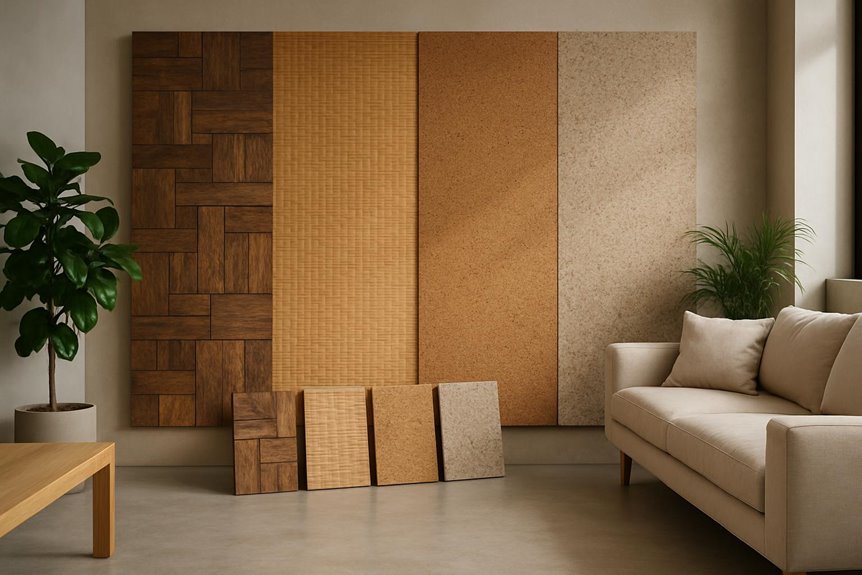
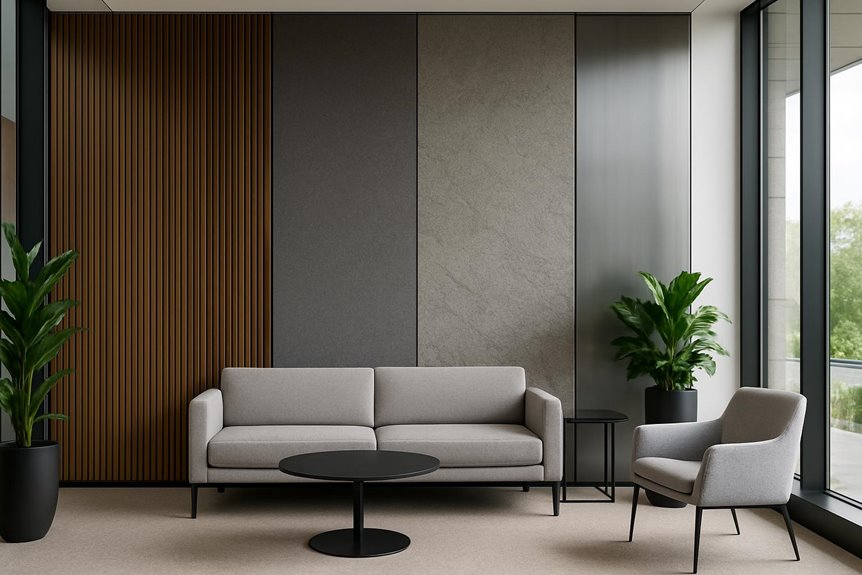
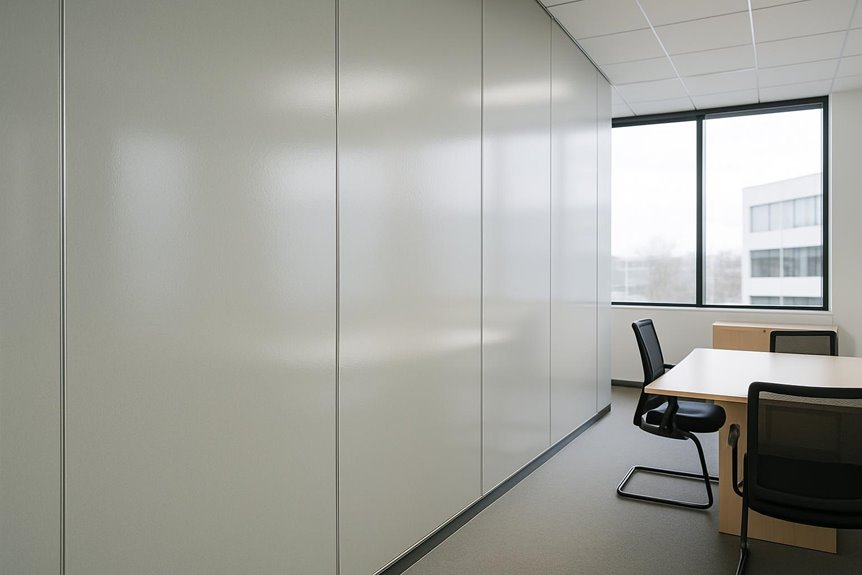
Decorative metal panels for interior walls sharpen spaces with precise lines, calibrated sheen, and resilient surfaces. Their non-porous faces tolerate frequent cleaning and reduce visual noise in busy corridors, while disciplined module alignment turns long runs into ordered architectural elements. At the same time, reflectivity, acoustics, and thermal touch require careful calibration of finish, profile, and backing. Between aluminium’s agility and steel’s gravitas, material choices shape mood, durability, and maintenance expectations alike. The next decision lies in how these panels are built, joined, and placed within the interior system.
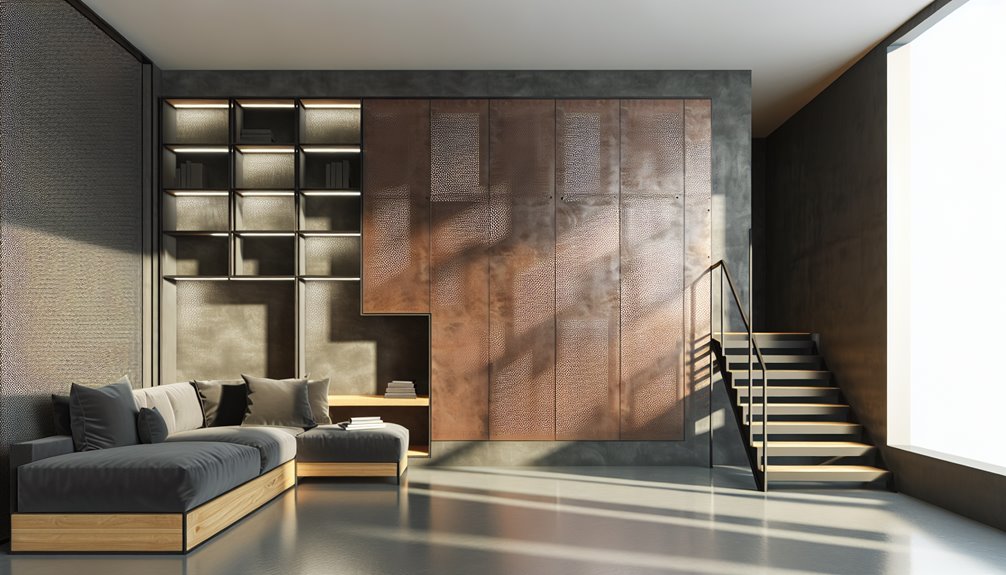
Although trends shift, the appeal of decorative metal panels endures because they deliver consistent visual precision and robust performance across interior surfaces.
Designers select decorative metal wall panels interior to achieve predictable surface quality across expansive fields where alignment, flatness, and tone must read as one continuous plane. The material’s calibrated finishes sustain a stable appearance over a long service life, supporting rigorous maintenance cycles without drift in color or sheen.
As durable interior wall finishes, metal resists wear, aggressive cleaning, and incidental impact, enabling tight tolerances in high-traffic zones.
This reliability grants owners control over lifecycle costs and presentation standards. On architectural interior surfaces, panels integrate with modular systems, concealed fastening, and precise reveals, ensuring repeatable installation outcomes and a disciplined spatial language.
Beyond their calibrated aesthetics, decorative metal panels address persistent interior wall failures that undermine large-scale environments. In corridors, lobbies, and transit nodes, cart strikes, abrasion, and repeated touchpoints quickly degrade paint and gypsum.
Metal interior wall cladding resists dents, diffuses impact loads, and preserves crisp lines at scale. Where uneven finishes telegraph across long elevations, interior architectural metal panels deliver planar consistency, tight joints, and controlled reveals that read as intentional, not improvised.
Hygiene mandates favor non-porous skins; sealed coatings allow swift, solvent-safe wipe-downs without discoloration. Low maintenance wall panels reduce lifecycle interruptions—no recurring patching, sanding, or repainting that disrupts operations.
Specifiers gain predictable performance, stable color, and durable texture, ensuring public-facing surfaces remain coherent, cleanable, and visually disciplined under sustained use.
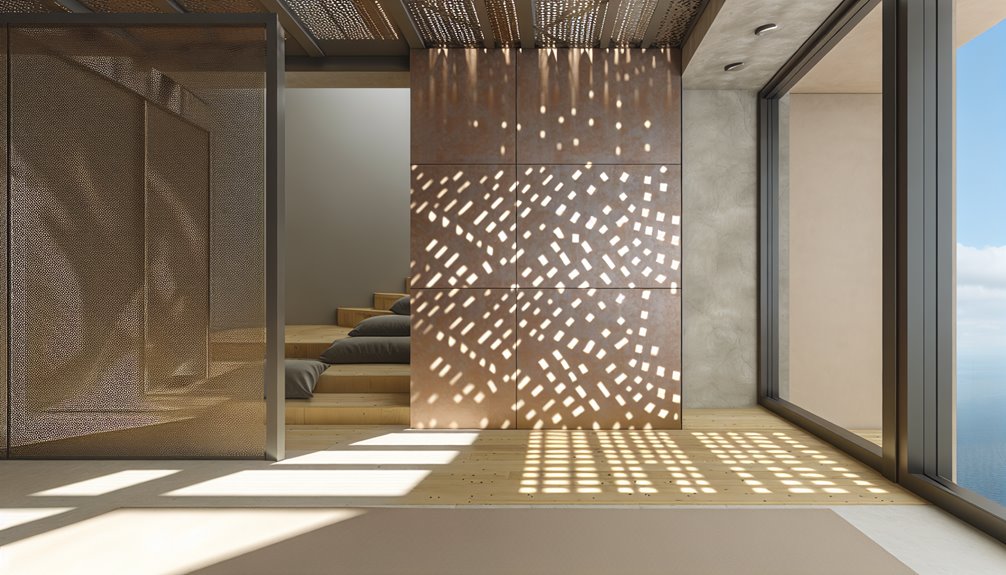
In interior wall assemblies, panel structure—not finish—sets the ceiling for visual calm and long-term performance. Most interior metal panel systems fall into three structural categories: solid, composite, and honeycomb, each suited to different scales and detailing requirements.
Solid metal panels perform best in small-format areas where edge precision, weight, and tactile presence are important. Composite panels introduce a stabilised core that improves flatness and joint consistency, making them well suited to continuous interior wall fields with long sightlines. Honeycomb panels combine high stiffness with low weight, supporting large-format interior feature walls while maintaining crisp reveals and minimal deflection.
| Structure | Best Use | Performance Note |
|---|---|---|
| Solid | Small-format zones | Dense face, sharp detailing |
| Composite | Continuous wall fields | Improved flatness, stable seams |
| Honeycomb | Feature walls | High stiffness, low weight |
| Mixed strategies | Zoned interiors | Structure tuned by use and budget |
For decorative metal panels in interior spaces, selecting the right structure is less about material preference and more about panel size, visual tolerance, and service expectations.
Choice defines character: aluminium carries walls with effortless span and light handling, while steel anchors surfaces where touch, traffic, and impact are certain. The distinction is pragmatic: use intensity sets the brief.
Aluminium suits lightweight systems and large-format fields where fewer joints, faster lifts, and discreet fixing lines matter. It reduces substructure, simplifies alignment, and keeps feature wall metal panels visually calm at scale.
Steel belongs to lower-level zones, circulation edges, and service-adjacent walls where trolleys, bags, and daily abrasion are predictable. Its mass resists dents and keeps corners tight.
Handling, fixing logic, and maintenance planning shift accordingly: aluminium favors concealed clips and rapid adjustment; steel accepts robust anchors and periodic refinishing.
In commercial interior wall panels, the correct call preserves precision, longevity, and control.
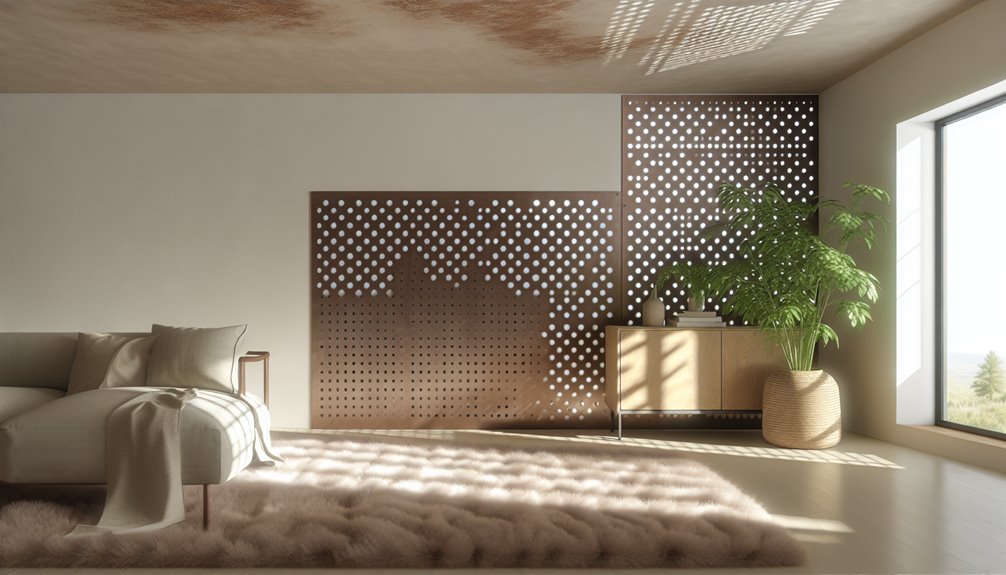
Though metal suggests sheen, interior comfort is won by restraint. Matte and finely brushed finishes temper specular glare, keeping sightlines calm and surfaces legible.
These textures disperse highlights, preventing the sharp hotspots that fatigue the eye and distract in task-focused zones. Directional brushing can be oriented to lighting to control reflectance gradients along corridors or across feature walls.
Colour consistency under artificial lighting is nonnegotiable. Specify coatings validated against the project’s lamp spectra to prevent hue shift at night. Neutral, low-gloss clear coats preserve alloy tone without amplifying reflectivity.
Avoid distortion and reflection issues by selecting thicker gauges, flatness-controlled substrates, and substructures with tight tolerances. Minimize panel camber and oil-canning.
Choose microtextures that break up mirror images while maintaining a refined, continuous read across modules.
Measured control of sheen sets the stage for quieter rooms as well. Low-gloss metal reduces glare fatigue and helps occupants perceive calm, while the panel assembly behind it governs sound.
Metal surfaces are reflective, but not inevitably echoic; perforation, micro-slotting, and the right backing convert a thin shell into an absorber. Mineral wool, black acoustic fleece, or air cavities tuned to target frequencies temper reverberation without forfeiting crisp lines.
1) Specify the acoustic core: select density and thickness of backing to match speech bands (500,000 Hz), balancing absorption (NRC) with low-frequency support.
2) Tune the face: set perforation ratio and pattern to shape diffusion versus absorption; align sheen to reduce visual noise.
3) Calibrate comfort: combine tactile finishes with soft adjacent materials to stabilize psychoacoustic perception and reduce fatigue.
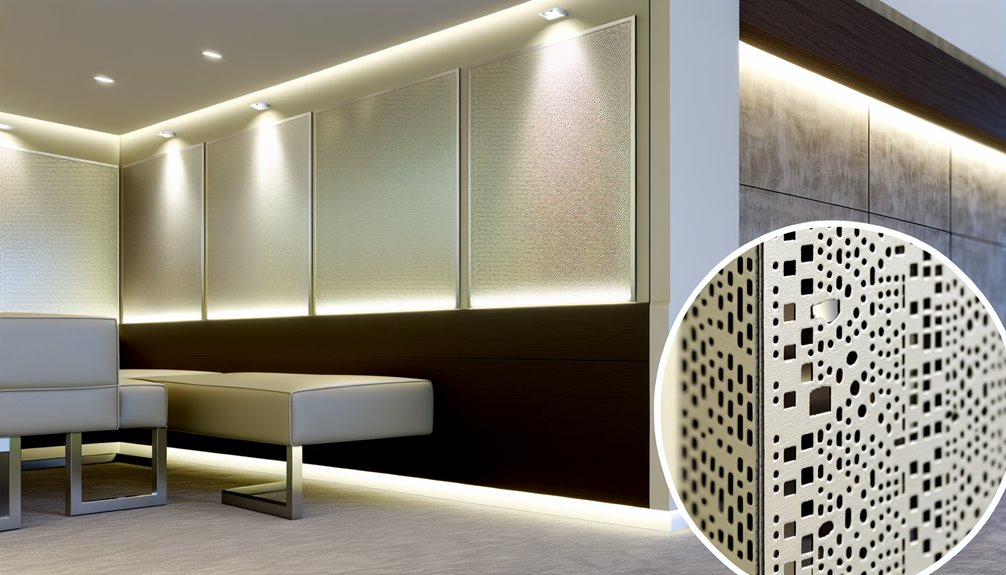
While the surface reads as a single metal plane, the craft lies in how panels meet, float, and open.
Dry installation systems enable that clarity: concealed clips, rails, and adjustable hangers deliver true planes while allowing removal without damage. Specifying tolerances at substrate and carrier levels controls reveal consistency and keeps corners crisp.
Panel alignment and joint rhythm establish visual order. Set a primary module and let perforation, emboss, or grain align across seams.
Calibrate joint width to scale—tight for finesse, open for shadow. Use datum lines at eye level to police drift.
Access for replacement and services is designed, not improvised. Hinge, lift-off, or push-latch panels maintain continuity while granting entry.
Tag panels, map fixing sequences, and keep spare modules indexed.
Placement is strategy. Decorative metal panels excel in spaces with high visibility, clear circulation, and predictable maintenance regimes. They deliver refined texture, controlled reflectance, and durable surfaces where brand, wayfinding, and resilience intersect.
1) Hotel lobbies and corridors: Panels calibrate first impressions. Brushed or perforated finishes temper glare, conceal services, and frame art or signage. Corridor runs exploit rhythm; integrated reveals guide movement without visual noise.
2) Office reception areas and lift halls: Metal establishes authority and continuity. Consistent alloys across walls and elevator surrounds unify identity. Acoustic backers and micro-perforations moderate conversation while keeping a crisp, professional edge.
3) Hospitals and healthcare interiors: Non-porous skins streamline cleaning. Anti-microbial coatings and impact-resistant cores preserve hygiene and appearance.
Warm metallic hues soften clinical light, supporting calm navigation through nurses' stations, waiting areas, and junction nodes.
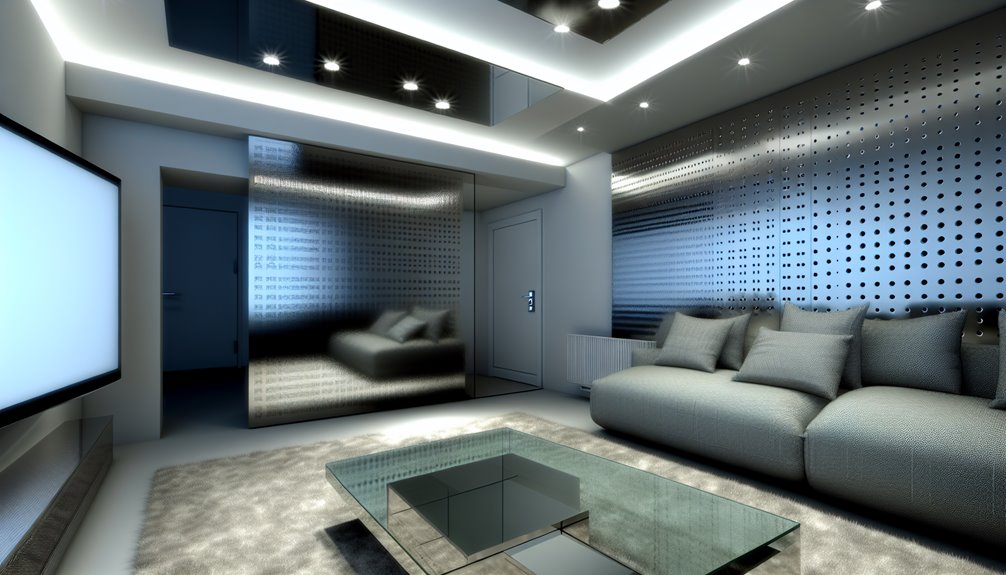
Sometimes the brief asks for softness that metal cannot natively supply. In schemes seeking cocooning tactility, hushed acoustics, or diffuse light, decorative metal panels often feel too crisp. Their reflectance, hardness, and thermal touch can read aloof, especially in intimate hospitality, wellness, or residential retreats where warmth is currency.
If the narrative requires matte depth, hand-feel, and visual porosity without glare, metal may work against the room’s intent. Large, flat expanses risk scale mismatch and unwanted echo; even perforations can ping rather than hush.
Where daylight is harsh, metal amplifies contrast instead of calming it. In circulation zones needing visual softness for wayfinding comfort, or in spaces craving acoustic absorption and nest-like enclosure, other materials take the lead.
Even before sketches harden into details, a disciplined checklist keeps metal wall panels aligned with intent. Specifiers who value control begin with performance, then choreograph perception. Metal’s precision rewards rigor: set tolerances, tune light, and plan access before form seduces.
1) Flatness and scale: Define permissible waviness (ASTM or project-specific), panel module, and joint geometry. Larger formats amplify oil-canning; mitigate with substrate quality, stiffeners, and alloy/thickness selection.
2) Lighting and reflectivity: Model incident angles, brightness ratios, and glare risk. Select finish (brushed, bead-blasted, micro-textured) to temper hotspots. Coordinate with dimming curves and daylight swing; verify with full-scale mockups.
3) Cleaning, wear, and maintenance access: Specify soil resistance, abrasion class, and compatible cleaners. Detail removable panels, concealed fasteners, and service clearances. Provide a maintenance schedule and parts strategy.
They typically emit negligible VOCs; inert metals improve indoor air quality when factory-finished with low-VOC coatings and sealed edges. Performance depends on substrate, adhesives, and installation—ventilated cavities, powder coats, and formaldehyde-free backers maintain air clarity while retaining crisp, controllable aesthetics.
A quarterly clean with pH-neutral soap, monthly dusting, and annual sealant inspection preserves sheen. 92% gloss retention after two years illustrates discipline. Microfiber, non-abrasive pads, and silicone-free polishes protect finishes; prompt fingerprint removal and hinge/fastener checks maintain crisp alignments and uniform reflectivity.
Yes. Panels accept integrated LEDs, capacitive touch, and occupancy sensors via concealed channels, magnetic backers, and modular clips. Aluminum or stainless skins dissipate heat; perforations spread light; DMX/DALI drivers and low-voltage rails grant granular zoning, scenes, and responsive ambiance.
They resist moisture reasonably, but condensation remains a risk without upgrades. Significantly, 60% RH sustained can trigger corrosion on uncoated steel. Specify marine-grade aluminum or 316 stainless, back-ventilated assemblies, sealed edges, and vapor-barrier substrates; otherwise expect patina, telegraphing, and warped reveals.
Standard panels typically ship within 6–12 weeks, while custom patterns or finishes may require longer. Early specification lock-in and timely sample approvals help reduce supply-chain delays.
In the right interiors, decorative metal wall panels act as a quiet engine—durable, cleanable, and visually precise, supporting spaces with disciplined modularity. Performance improves when structure, finishes, and fixing logic are considered together, while the choice between aluminium and steel fine-tunes weight, strength, and cost. Comfort still matters: acoustics, warmth, and touch benefit from complementary materials such as textiles, absorbers, or timber. Specify with intent—aligned joints, protected edges, and defined maintenance—and metal delivers interiors that are sleek, resilient, and controlled without overpowering the space.
For projects that extend beyond interiors, see our related guide on decorative metal wall panels for exterior applications, where exposure, movement, and façade performance introduce a different set of design and specification priorities.