
Acoustic decorative panels serve a dual purpose in indoor environments by both absorbing and diffusing sound waves to mitigate noise pollution and reverberation. These panels enhance sound quality, creating a more comfortable auditory experience while also contributing to the visual aesthetics of a space. Available in various materials such as foam and fabric, they seamlessly integrate with different architectural styles. The versatility and functionality of these panels warrant further exploration.

Acoustic decorative panels serve a dual purpose by integrating sound management with aesthetic enhancement.
These panels exemplify the principle that form follows function, effectively merging utility with design. By absorbing sound waves, they reduce noise pollution, improving acoustic comfort in various environments.
Different acoustic panel styles cater to diverse architectural needs, providing flexibility in both function and visual appeal. This adaptability allows for seamless integration into any space, ensuring that the acoustic panels not only serve their primary purpose of sound management but also contribute to the overall design scheme.
Acoustic panel styles blend function and design, adapting effortlessly to diverse architectural needs.
The strategic placement and selection of panel styles are essential, as they dictate the effectiveness in sound absorption and the degree of influence on the spatial ambiance.
When selecting materials for acoustic decorative panels, considerations extend beyond mere aesthetic preference to encompass acoustic performance and durability.
Foam types, such as open-cell and closed-cell, offer varying sound absorption capabilities. Open-cell foam is particularly effective for absorbing mid to high frequencies, essential for minimizing reverberation. Closed-cell foam, while less porous, contributes to sound insulation, providing a denser barrier.
Fabric textures also play a pivotal role; they must balance aesthetic appeal with acoustic functionality. Textured fabrics can diffuse sound waves, enhancing clarity and reducing echoes.
Durability is paramount, ensuring materials withstand environmental factors without degradation. Ideal selection requires understanding material properties and how they contribute to sound attenuation, ensuring the panels not only meet acoustic requirements but do so sustainably.
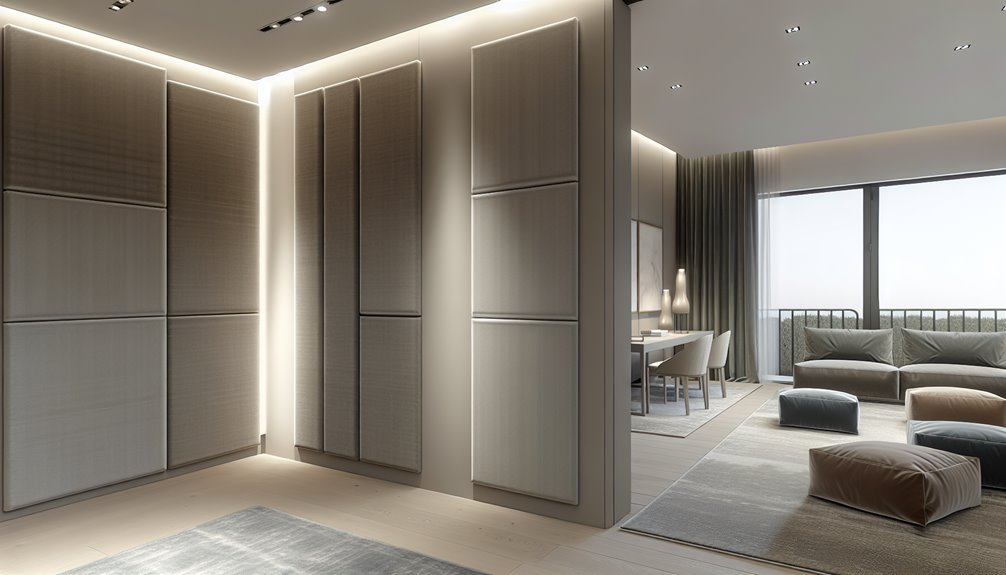
Acoustic panels play an essential role in enhancing sound quality across varied environments, from residential to corporate settings.
In homes, these panels address soundproofing needs by minimizing external noise intrusion and optimizing internal acoustics.
In office spaces, they contribute to sound management by reducing ambient noise levels, thereby facilitating a more productive work environment, with versatile design options that integrate seamlessly into existing décor.
In numerous residential environments, managing sound effectively is essential for enhancing comfort and privacy. Home soundproofing solutions, incorporating acoustic decorative panels, play a pivotal role in optimizing indoor acoustics.
These panels are designed to absorb and diffuse sound waves, thereby minimizing noise transmission between rooms and reducing echo within spaces. They are strategically placed to enhance sound clarity and reduce auditory disturbances, ensuring that residents experience an acoustically balanced environment.
The integration of these panels is particularly beneficial in areas prone to excessive noise, such as media rooms and open-concept living spaces. By leveraging the properties of acoustic panels, homeowners can exert control over their acoustic surroundings, achieving a harmonious balance between aesthetic appeal and functional sound management.
Effective sound management in office settings is essential for fostering productivity and employee well-being. The implementation of acoustic panels can greatly enhance office acoustics by reducing noise levels and improving sound privacy. These panels absorb sound, minimizing distractions and creating an environment conducive to concentration and efficiency. With an analytical focus, one can evaluate the impact of sound on workplace dynamics through a structured approach.
| Benefit | Emotional Impact |
|---|---|
| Noise Reduction | Stress Relief |
| Enhanced Privacy | Increased Focus |
| Aesthetic Appeal | Improved Morale |
| Acoustic Balance | Productivity Boost |
Understanding the relationship between sound levels and employee output allows decision-makers to take control, implementing solutions that align with organizational goals. Investing in acoustic panels is a strategic move to guarantee ideal office acoustics and employee satisfaction.
While addressing both aesthetic and functional needs, acoustic panels offer versatile design options that seamlessly integrate into various environments, from homes to offices.
Custom designs enable architects and interior designers to align acoustic solutions with the desired decor, ensuring a cohesive visual experience. Utilizing a spectrum of color choices allows for personalized aesthetics, enhancing the ambiance of any space. This flexibility is essential for maintaining a controlled, tailored environment.
Key benefits include:
These design options facilitate the achievement of desired acoustic and aesthetic outcomes, optimizing sound comfort without compromising style.

How do acoustic panels serve a dual purpose beyond mere sound absorption? They transform spaces, enhancing aesthetics through strategic integration of color schemes and panel shapes.
Designers leverage an array of colors to create visual harmony or contrast, aligning with existing interior themes. This customization allows acoustic panels to blend seamlessly or stand out as focal points, offering control over a room's visual dynamics.
Panel shapes, ranging from geometric patterns to organic forms, further contribute to aesthetic enhancement. These configurations can complement architectural features or introduce new visual elements.
Acoustic decorative panels enhance sound quality primarily through sound absorption benefits and noise reduction techniques.
By incorporating materials with high sound absorption coefficients, these panels effectively minimize reverberation and echo within a space.
Additionally, strategic placement and design variations contribute to reducing ambient noise, thereby improving the overall acoustic environment.
As urban environments become increasingly dense, managing noise pollution has become a vital concern, and acoustic decorative panels offer an effective solution to improve sound quality.
These panels are engineered to absorb sound waves, thereby minimizing reverberation and enhancing auditory clarity. Their sound absorption benefits can be categorized as follows:
Ultimately, acoustic decorative panels serve as a strategic tool in controlling acoustic environments, offering both aesthetic and functional benefits.
When addressing the challenge of reducing noise within a space, acoustic decorative panels utilize several advanced techniques to enhance auditory environments.
Primarily, these panels act as effective sound barriers, strategically absorbing and diffusing sound waves. This minimizes reverberation and reduces noise pollution, thereby improving environmental acoustics.
The panels are engineered with materials that possess high sound absorption coefficients, optimizing their ability to limit sound transmission between spaces. By incorporating porous surfaces and fibrous textures, the panels disrupt sound wave paths, diminishing unwanted echoes and background noise.
Additionally, their placement within a room is critical; strategic positioning on walls and ceilings maximizes their noise reduction capabilities.
Through precise engineering, acoustic decorative panels provide a controlled solution for refined sound quality indoors.

To guarantee ideal performance and longevity of acoustic panels, understanding the installation and maintenance processes is vital. Proper installation methods guarantee maximum sound absorption and aesthetic integration.
Acoustic panels can be mounted using adhesive, Z-clips, or suspended systems, each offering distinct advantages based on structural and design needs.
Regular maintenance procedures are important to maintaining acoustic efficiency and appearance. Panels should be vacuumed or dusted periodically to prevent the accumulation of particulates. In case of stains, spot cleaning with a mild detergent is recommended.
Key considerations for installation and maintenance include:
The average pricing for acoustic decorative panels ranges from $5 to $15 per square foot. Installation costs vary greatly based on complexity and location, typically adding $1 to $3 per square foot to the total expenditure.
Acoustic decorative panels, like trees absorbing carbon, often utilize sustainable materials and eco-friendly production. This approach guarantees minimized environmental impact, appealing to those seeking environmentally conscious choices without sacrificing functionality or aesthetics in interior design solutions.
Yes, acoustic panels can be customized for specific sound frequencies through frequency modulation and tailored sound absorption properties, allowing precise control over acoustic environments by targeting distinct frequency ranges to optimize sound quality and reduce unwanted noise.
Acoustic panels enhance energy efficiency by integrating sound absorption with thermal insulation properties, reducing heating and cooling demands. This dual functionality leads to energy savings, optimizing indoor environments for both acoustic comfort and energy management.
Common misconceptions regarding acoustic decorative panels include misleading benefits concerning soundproofing capabilities and underestimated installation challenges. Consumers often believe these panels offer complete noise elimination, while overlooking the complexity of proper installation for ideal acoustic performance.
Acoustic decorative panels offer an effective way to control sound while maintaining visual appeal. By combining functional sound absorption with flexible surface finishes, they help reduce noise and improve acoustic comfort across residential, commercial, and public interiors. With material options ranging from fabric-backed systems to engineered composite solutions, these panels can be adapted to different design goals without compromising performance. When correctly specified, installed, and maintained, acoustic decorative panels deliver long-term sound control and a calmer, more refined indoor environment.
For projects that require acoustic decorative panels balanced for sound performance, durability, and interior design, PhiliGreen Panels provides system-based panel solutions and technical support to help achieve consistent acoustic and visual results.

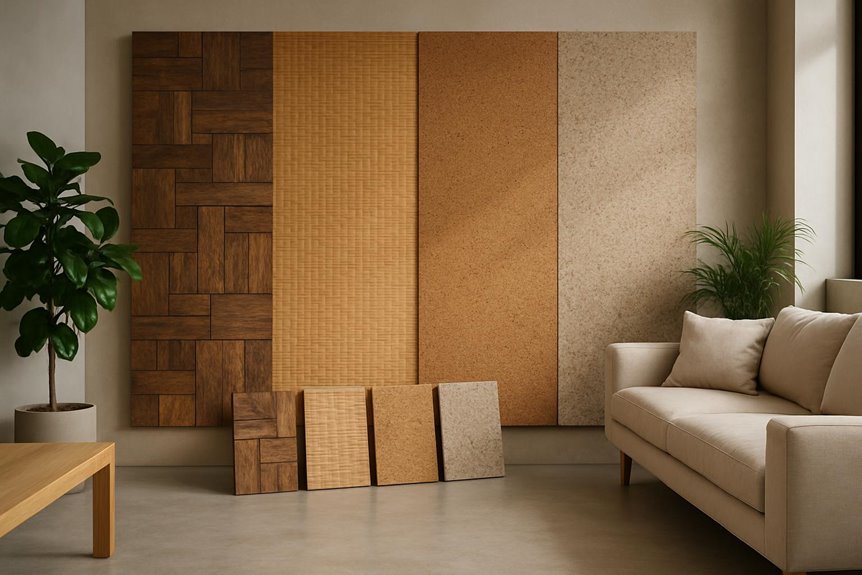
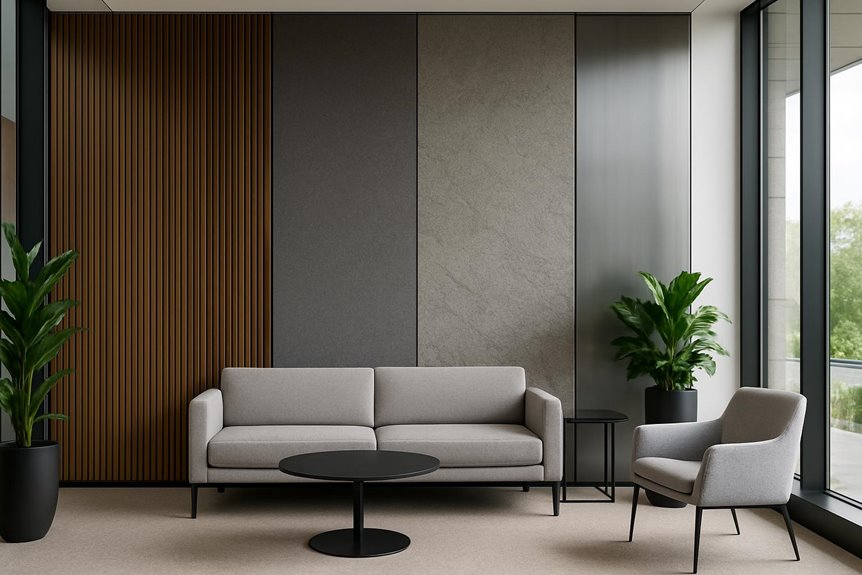
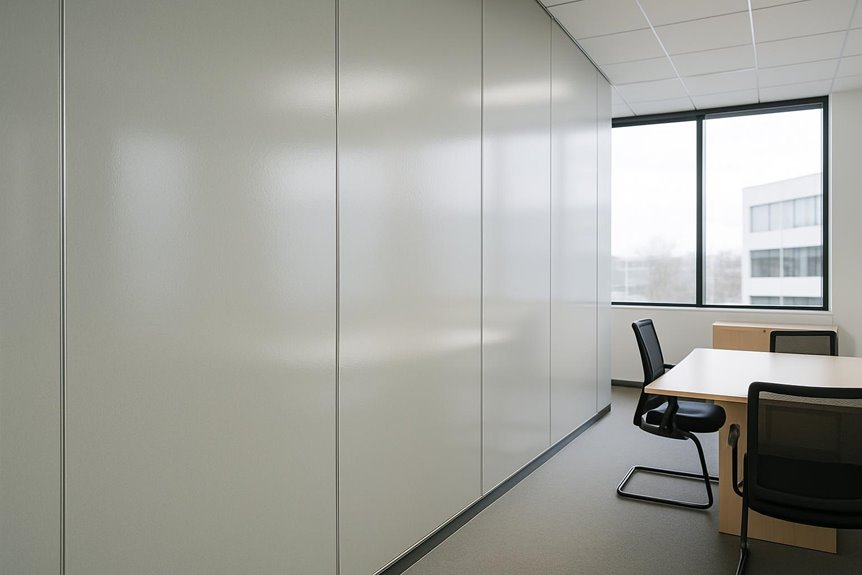
[…] the wall system to match both the visual direction and performance requirements of the space. Acoustic wall panels can also be introduced where sound absorption is needed without disrupting the overall interior […]