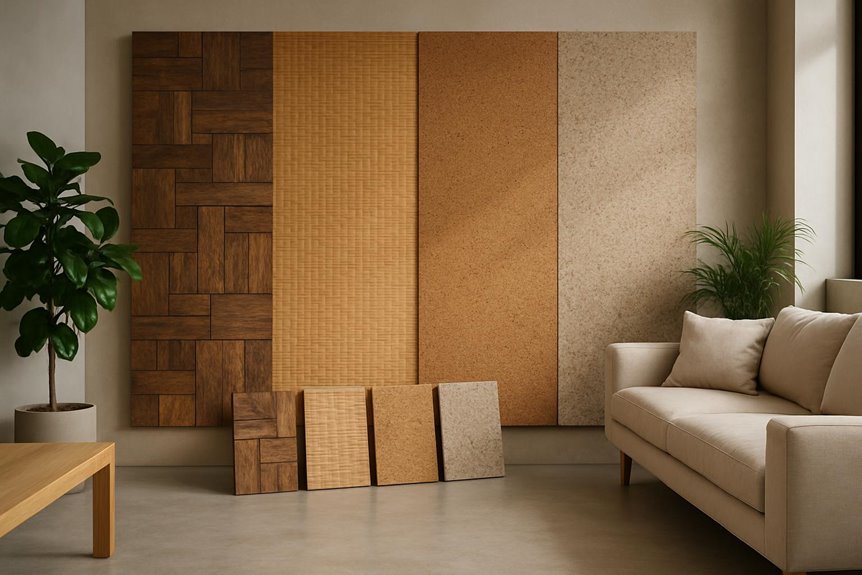
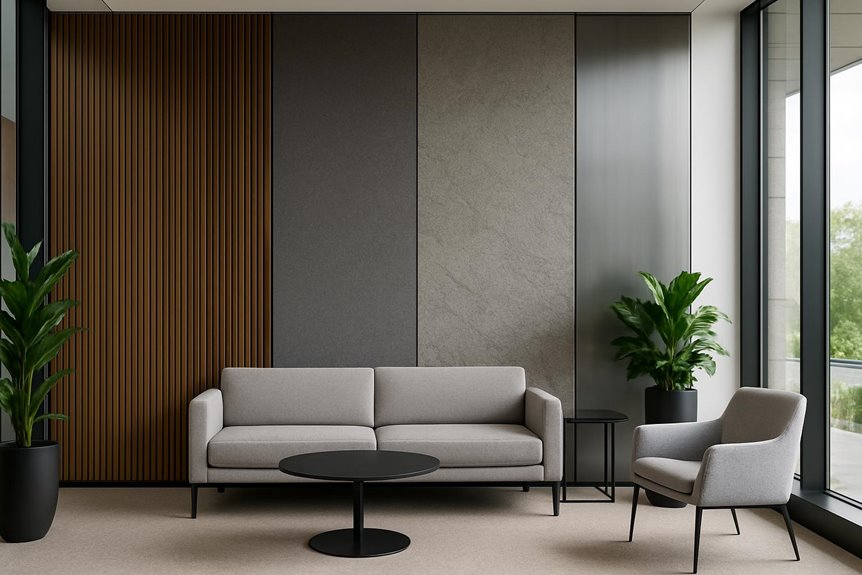
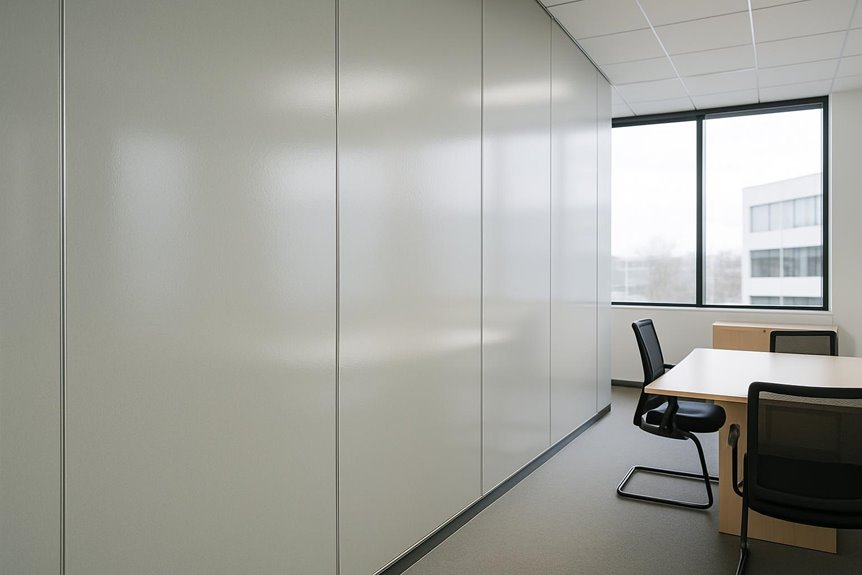
Cement board types play a critical role in modern construction, offering versatility across a wide range of applications. These materials are typically categorized into backer boards, fiber cement boards, and cement-bonded particle boards, each serving specific roles from interior tiling to exterior cladding. Selecting the right type involves evaluating factors such as moisture exposure, fire resistance, and structural requirements. Understanding their unique properties and applications is essential for optimizing project performance and avoiding costly specification mistakes.
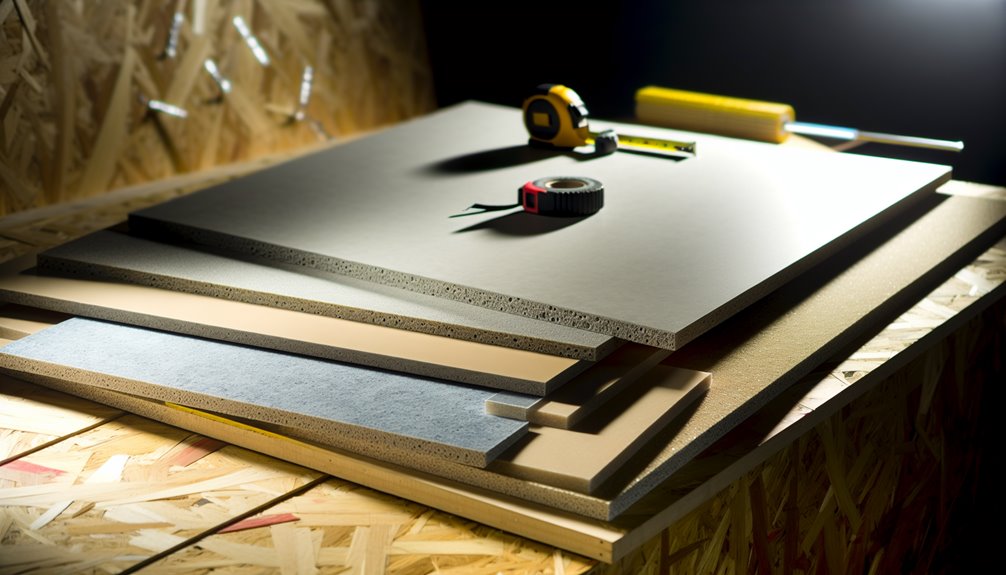
Cement boards, integral to modern construction, are categorized into backer boards, fiber cement boards, and cement-bonded structural boards, each serving distinct purposes.
These cement board categories fulfill specific roles based on their material properties and application needs. Backer boards, commonly used as interior substrates, provide a stable base for tile installations.
Fiber cement boards, known for their durability and resistance to extreme weather, are ideal for exterior and façade applications.
Cement-bonded structural boards offer robust support, making them suitable for load-bearing applications and improving insulation.
These types of cement board are engineered to enhance structural integrity and meet diverse construction requirements, ensuring efficient and effective utilization across various projects.
In construction, when addressing interior applications that demand moisture resistance and stability, backer boards emerge as an essential component.
Cement backer board types are specifically designed for use behind tiles in wet areas such as bathrooms, showers, and kitchen backsplashes. These boards are typically thinner and smaller, optimizing them for specific cement board applications where moisture resistance is critical.
They provide a stable, durable surface, ensuring tiles remain secure over time. As flooring underlayment, they enhance the longevity of finishes by preventing water-related deterioration.
Their composition allows for easy cutting and installation, making them a preferred choice for builders seeking reliable solutions in moisture-prone environments.
Cement backer boards are indispensable in enhancing interior structure durability and functionality.
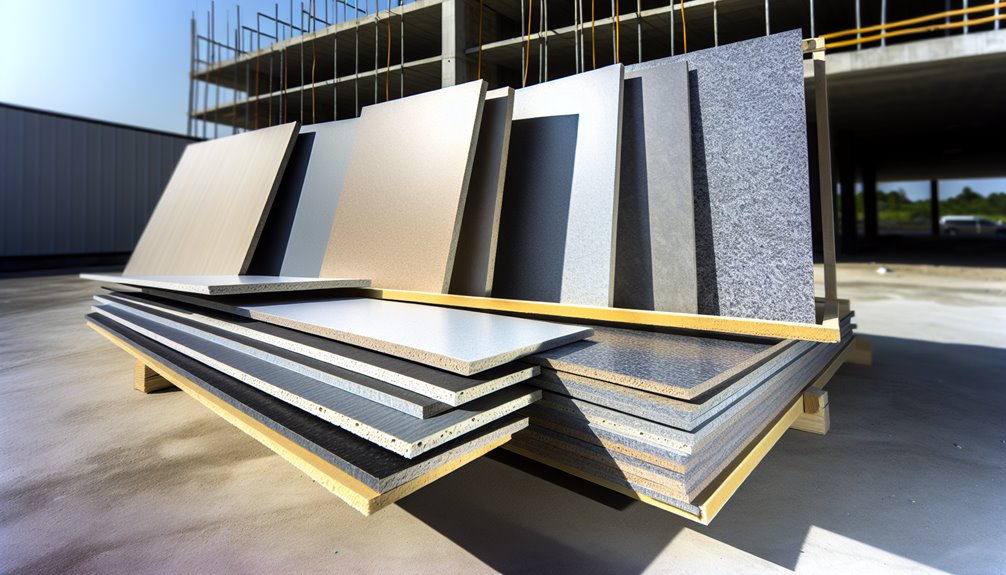
When considering exterior construction projects, fiber cement boards present an advanced solution for cladding systems. Among cement board types, fiber cement board types are renowned for their resilience against severe weather conditions.
These boards, characterized by higher density and durability, are frequently utilized as siding or external wall panels. Their application extends to exterior cladding, soffits, façades, and outdoor architectural panels.
The larger panel sizes are specifically designed for façade applications, ensuring a seamless and robust finish. By incorporating cellulose fibers, these boards achieve superior strength and resistance to environmental stressors.
Their capability to be painted in various colors adds versatility, making them an ideal choice for enhancing both the aesthetic appeal and structural integrity of buildings.
This cement board classification combines the strength of cement with the flexibility of wood, resulting in strong and stable structural panels.
CBPB is widely used in partition walls, flooring systems, and structural sheathing, providing excellent insulation and durability.
Its composition allows for enhanced fire resistance and sound insulation, making it suitable for both residential and commercial projects.
The material's affordability compared to other types of cement boards enhances its appeal for budget-conscious projects.
Versatile in use, cement bonded particle boards are integral to prefabricated systems, offering a cost-effective solution without compromising performance.
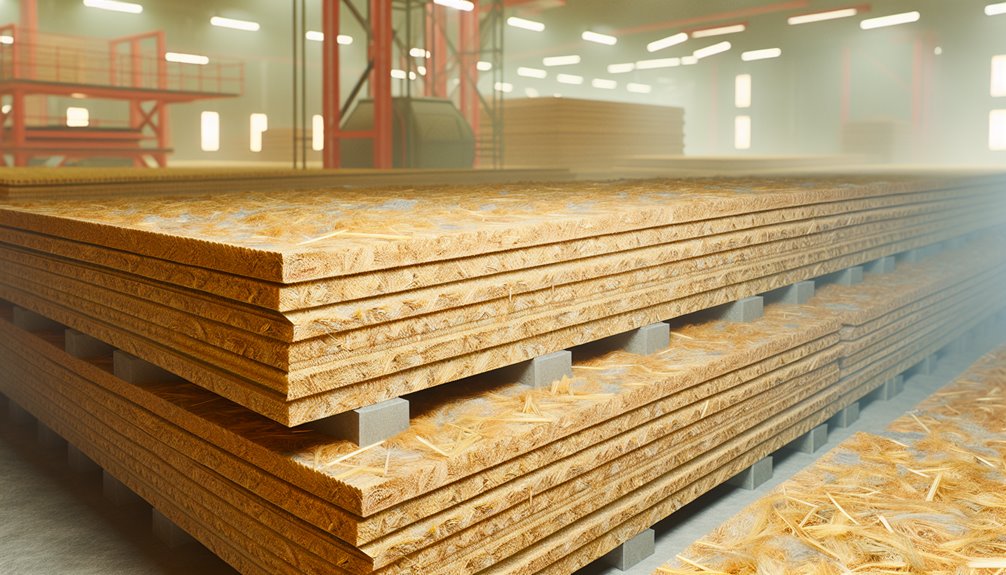
These cement board materials are specially designed to provide sound absorption, making them ideal for applications such as acoustic panels and ceiling systems.
The integration of wood fibers not only reduces weight but also enhances the board's ability to dampen noise, contributing to quieter industrial interiors.
WWCB are particularly advantageous in environments where sound control is paramount.
Their versatility extends to various architectural uses, ensuring both functional and aesthetic benefits.
As an innovative solution, wood wool cement boards continue to be a preferred choice in projects prioritizing acoustic performance and structural efficiency.
Wood Strand Cement Boards (WSCB) are an advanced type of cement-bonded panel that combine large wood strands with cement to deliver higher structural strength than wood wool cement boards. Their reinforced composition makes them suitable for load-bearing and semi-structural applications, positioning them closer to structural boards than standard cladding materials.
In the context of cement board vs fibre cement board, WSCB stands out for its structural role, while fibre cement is primarily used as a finished cladding system.
| Feature | Wood Strand Cement Boards (WSCB) | Fibre Cement Boards |
|---|---|---|
| Composition | Wood strands + cement | Cement + cellulose fibres |
| Primary Role | Structural / semi-structural | Exterior cladding |
| Strength | High load-bearing capacity | High surface durability |
| Typical Uses | Structural panels, subfloors, prefabrication | Wall cladding, façades, ceilings |
WSCB is commonly used in:
Its ability to combine strength, dimensional stability, and ease of prefabrication makes it a valuable material in modern construction, particularly where structural performance and installation efficiency are both priorities.
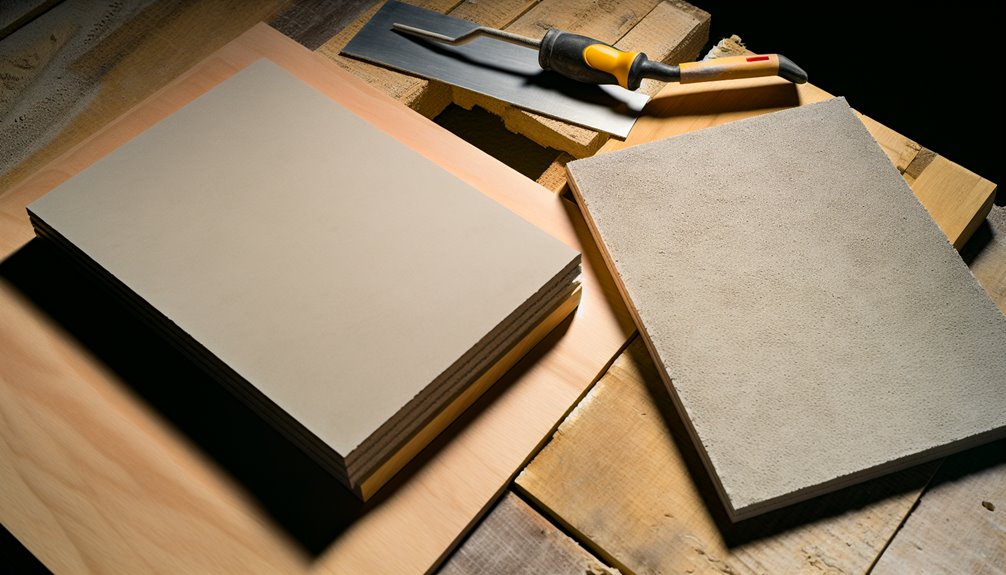
Building upon the advancements seen in Wood Strand Cement Boards, the comparison between high-density and standard cement boards offers valuable insights for construction professionals.
High-density cement boards are characterized by their superior impact resistance and durability, making them suitable for high-traffic areas. Their increased density contributes to enhanced strength but also results in a heavier product, which may complicate the installation process.
In contrast, standard cement boards are lighter and easier to handle, facilitating quicker installation. However, this ease of use comes with a trade-off regarding lower impact resistance and durability.
The choice between these types is dictated by specific project requirements, where considerations of strength and ease of installation play pivotal roles in material selection.
Fire-resistant and moisture-resistant cement boards play an essential role in ensuring safety and durability in construction projects.
These specialty boards are engineered for environments where exposure to heat and moisture is a concern. Fire-rated cement boards are important for regulated settings, providing a barrier against fire spread, while moisture-resistant variants are significant in wet areas, preventing degradation and mold growth.
The performance of these boards is determined by their composition and certification, ensuring they meet industry standards. By incorporating fire-resistant and moisture-resistant properties, these boards enhance structural integrity and longevity.
Their specialized design addresses specific performance needs, making them indispensable in both residential and commercial building applications, safeguarding against environmental challenges.
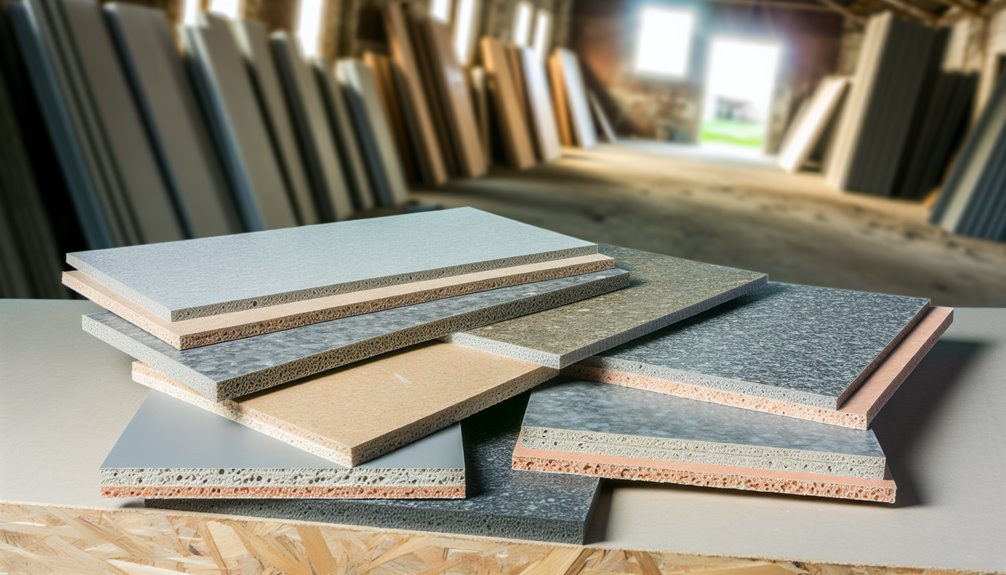
Understanding the distinctions between cement board, backer board, and fiber cement is essential for selecting the right material for construction projects.
Cement backer board primarily serves as an interior tile substrate, providing a stable base for tile installations in moisture-prone areas such as bathrooms and kitchens. Its composition offers excellent resistance to mold and mildew.
Ideal for tile installations in wet areas, cement backer board resists mold and mildew, ensuring a stable, moisture-proof base.
In contrast, fiber cement board is utilized for exterior cladding and façade systems, known for its durability and ability to withstand severe weather conditions.
Cement-bonded boards are often used in structural and industrial applications, offering high strength and insulation properties.
Misunderstanding these terms can lead to incorrect material selection, impacting the project's success and longevity. Each type meets specific construction needs, ensuring peak performance.
When selecting the appropriate cement board type, how does one secure peak performance and cost efficiency? Understanding the specific requirements of a project is vital. The choice of cement board should be guided by the intended use and environmental conditions.
Here are key considerations:
Selecting the right type secures that project goals are effectively met.
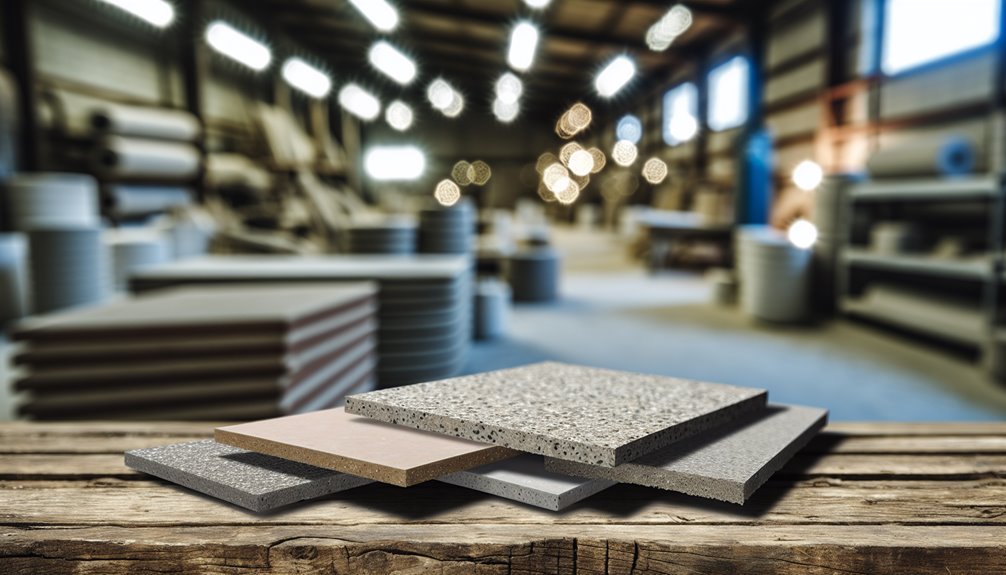
Selecting the right cement board type can be challenging, and several common mistakes can compromise project efficiency and performance.
One frequent error is using backer board intended for interior tile applications in exterior settings. This can lead to weather-induced deterioration.
Confusing fiber-cement boards with tile substrate boards is another common mistake, often resulting in inappropriate application and reduced durability.
Ignoring the density and structural properties of cement boards may lead to either over- or under-specifying the material, impacting both cost and structural integrity.
Over-specifying high-density boards unnecessarily increases costs without added benefits.
Understanding material properties and application requirements is essential to optimize performance and guarantee the success of construction projects.
Cement board production considerably impacts the environment through CO2 emissions during cement manufacturing, resource extraction, and energy consumption. Strategies like using alternative materials and energy-efficient processes can mitigate these effects, promoting sustainable construction practices.
Cement boards impact indoor air quality positively by resisting mold and mildew growth due to low moisture absorption. Their inert composition guarantees minimal volatile organic compound (VOC) emissions, promoting a healthier indoor environment compared to other materials.
Sustainable alternatives to traditional cement boards include magnesium oxide boards and recycled-content boards. These options reduce environmental impact through lower carbon emissions, enhanced recyclability, and utilization of eco-friendly materials, aligning with sustainable construction practices and green building standards.
Ironically, cement boards, known for their durability, pose a recycling challenge. While technically recyclable, the process is complex and costly, involving separation of fibers and cement. It's a paradox of sustainability in modern construction materials.
Maintenance for outdoor cement board installations involves regular inspection for cracks, sealing joints with waterproof materials, periodic cleaning to prevent dirt buildup, and repainting or resealing surfaces as necessary to protect against weathering and environmental damage.
In the domain of construction, choosing the right cement board is akin to selecting the perfect armor for a knight—each type offers unique strengths against the elements. Whether it's the moisture resilience of backer boards or the robust exterior protection of fiber cement, understanding these distinctions is essential. Avoiding common pitfalls requires a discerning eye, much like a master craftsman shaping stone. With informed selection, one guarantees durability and cost-effectiveness, crafting structures that stand the test of time.