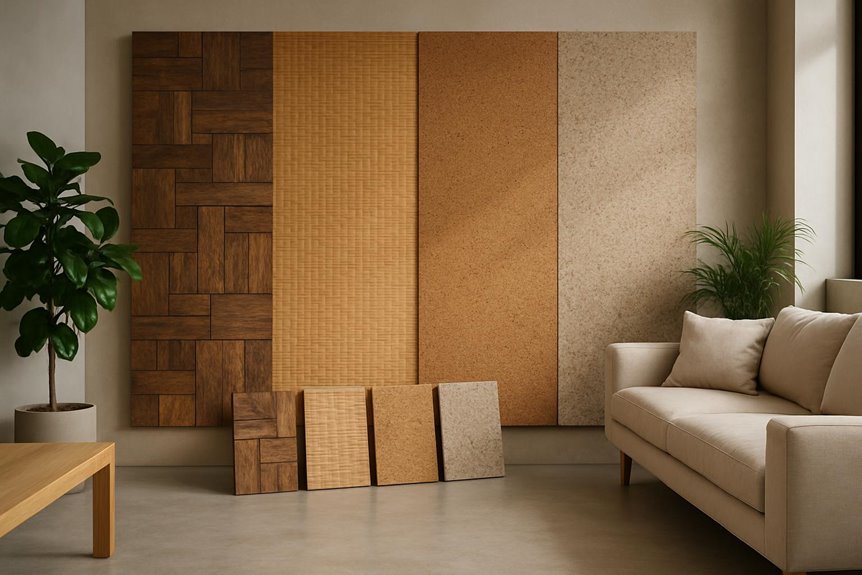
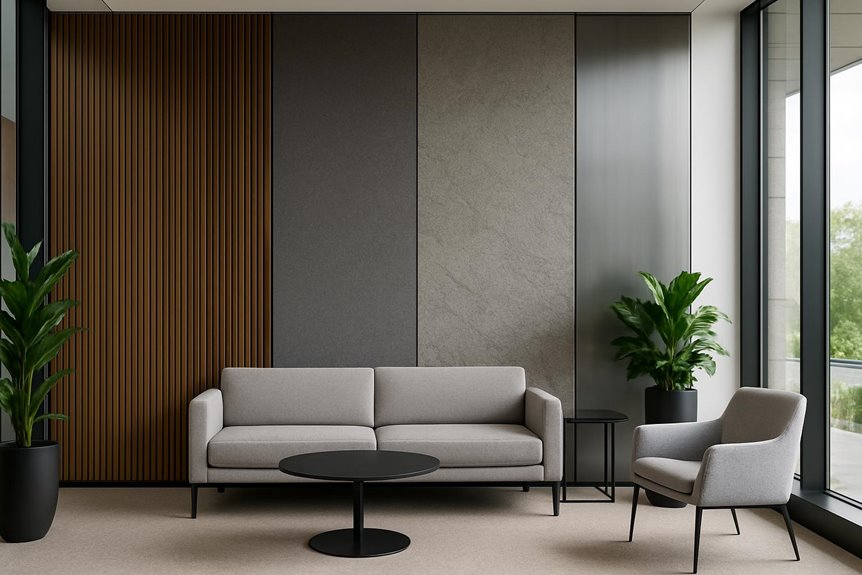
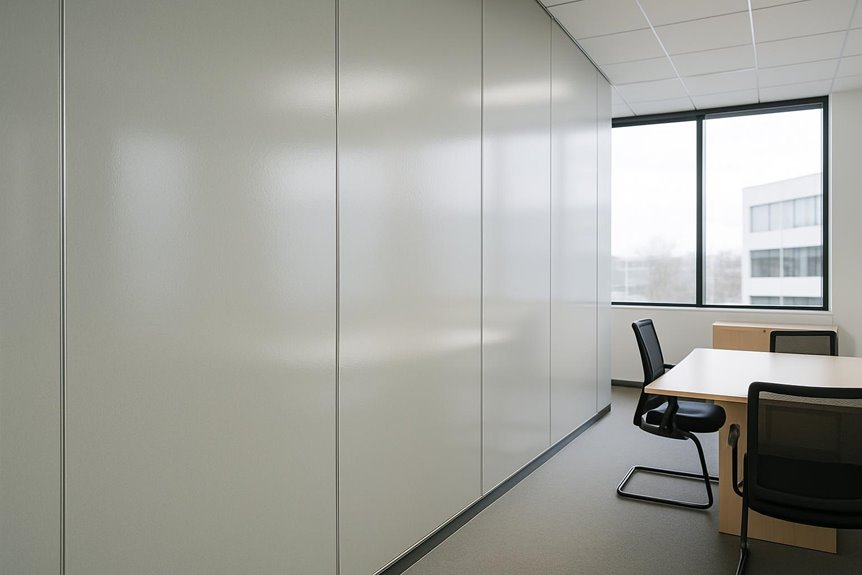
Is fiber cement siding fire-resistant? Fibre cement siding is widely recognized for its strong fire-resistant performance because it is primarily composed of cement, sand, and reinforcing fibres. Unlike vinyl or timber cladding, it is non-combustible and far less likely to contribute fuel during a fire event. However, fire resistance does not mean completely fireproof. Under prolonged extreme heat exposure, panels and surrounding wall components can still experience cracking, joint failure, or structural damage. Understanding how fiber cement siding performs within a complete wall assembly is essential when evaluating exterior systems for wildfire-prone or fire-regulated environments.
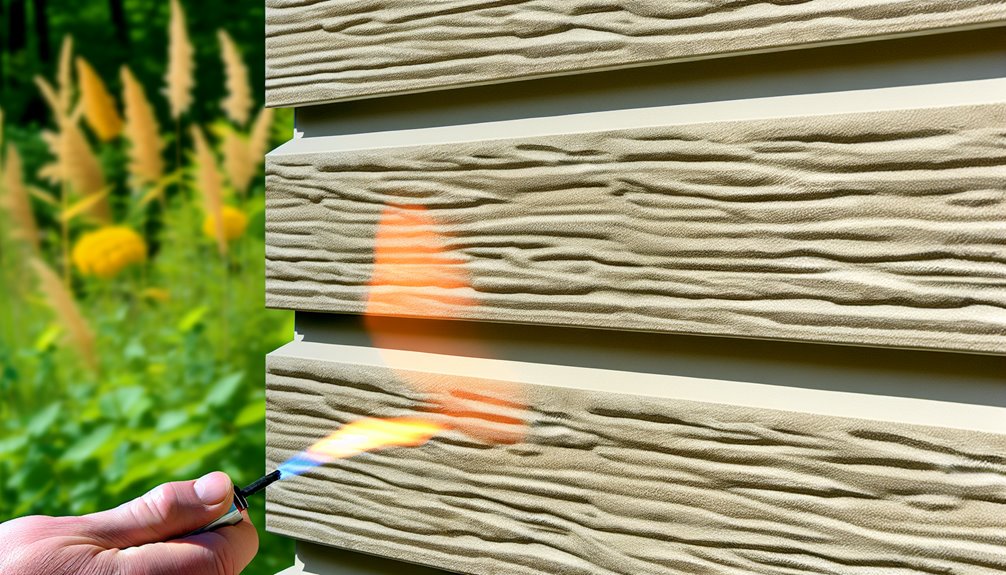
How effective is fiber cement siding in resisting fire?
Fiber cement siding is recognized for its exceptional fire resistance due to its composition of cement, sand, mineral fillers, and reinforcing fibers. This non-combustible material excels in fiber cement fire performance, offering enhanced protection compared to traditional siding options like vinyl or timber.
Fire-rated façade panels made from fiber cement are engineered to withstand high temperatures, preventing ignition and minimizing fuel contribution to fires. This quality is essential for maintaining safety in wildfire-prone areas.
Its compliance with stringent fire-resistance standards provides peace of mind to homeowners and insurers. As an innovative solution, fiber cement siding's fire-resistant properties signify a significant advancement in building safety technologies.
While fiber cement siding is highly effective in resisting fire, it is essential to understand that fire resistance does not equate to being fireproof. The fire-resistant fiber cement board can resist ignition and slow flame spread, yet prolonged exposure to high temperatures can lead to cracking, surface degradation, and fastener failure.
These non-combustible siding panels are designed to enhance building safety, but no cladding material, including those with a superior fiber cement cladding fire rating, can render a structure entirely fireproof. Structural system damage remains a possibility under extreme conditions.
Consequently, while these materials provide significant protection, they should be integrated into a thorough fire safety strategy to optimize building resilience and safety in fire-prone environments.
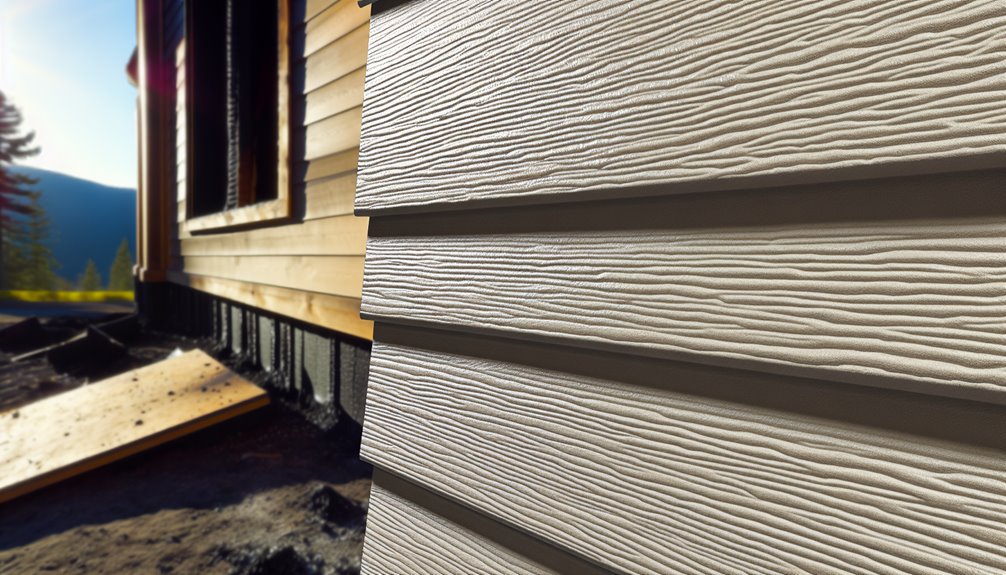
Fiber cement siding demonstrates superior performance compared to vinyl, timber, and composite plastic panels due to its noncombustible nature and high durability.
While vinyl can melt and timber is easily ignited, fiber cement's Class A fire rating provides enhanced protection against heat and flames.
Additionally, its resistance to warping and environmental degradation surpasses that of composite plastic panels, offering long-term reliability and safety.
Despite the wide use of vinyl siding due to its affordability and ease of installation, fiber cement siding offers superior performance, particularly in fire resistance.
Vinyl siding lacks the robustness needed for high-risk fire environments, as it can melt quickly and produce toxic smoke. In contrast, fiber cement siding, a fire-resistant exterior cladding, is engineered to withstand extreme heat without igniting.
While it is not entirely fireproof, its composition of cement and cellulose fibers markedly lowers flame spread potential. This makes fiber cement vs vinyl fire resistance a critical consideration for those prioritizing safety and innovation.
Its compliance with stringent fire-resistance codes further enhances its appeal, particularly in regions prone to wildfires.
Although timber siding is a popular choice for its natural aesthetic, fiber cement siding provides superior fire resistance and durability, making it a preferred option in high-risk fire environments.
Timber is naturally combustible and susceptible to ember ignition, which can lead to rapid fire spread, particularly in wildfire-prone areas. In contrast, fiber cement siding, composed of cement, sand, and cellulose fibers, resists ignition considerably longer, offering enhanced protection.
This siding material holds an ASTM fire-rated siding classification, providing a critical advantage in fire hardening. Its noncombustible properties align with stringent fire safety standards, reducing risks for homeowners.
Consequently, fiber cement siding not only enhances safety but also contributes to sustainable building practices, ensuring both innovation and protection.
How does one determine the superior choice between fiber cement siding and composite plastic panels? By examining their fire-resistant properties, fiber cement emerges as the preferred choice.
With a better non-combustibility profile, fiber cement siding outperforms composite plastic panels, which can melt or release toxic fumes under high heat. This stability under elevated temperatures enhances building safety, particularly in fire-prone areas.
Fiber cement siding's composition of cement, sand, and cellulose fibers contributes to its Class A fire rating, offering superior protection and meeting stringent safety standards.
In contrast, composite plastic panels may compromise structural integrity when exposed to fire. Consequently, fiber cement not only aligns with innovative building practices but also provides a reliable, fire-resistant solution.
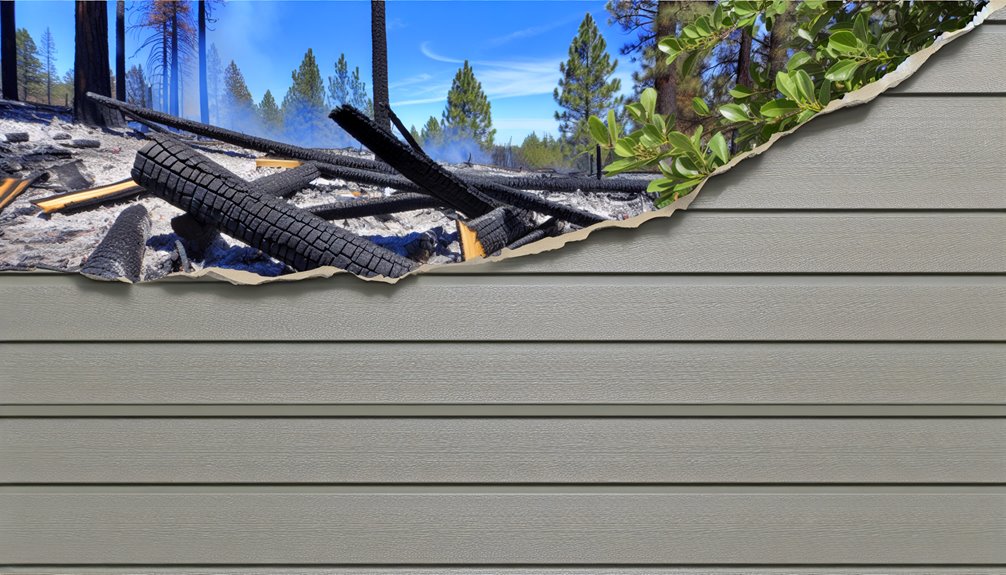
Fire performance in exterior walls is determined by a complex interplay of multiple components beyond just the siding panel itself. Wall assembly design, cavity barriers, insulation type, subframe materials, joint detailing, and fastener systems all contribute to the overall fire resistance. It is essential to evaluate these elements collectively as part of code compliance, rather than focusing solely on individual panels. This holistic approach guarantees that each component works in harmony to enhance safety.
| Component | Function | Impact on Fire Performance |
|---|---|---|
| Wall Assembly | Structural Integrity | Affects fire containment |
| Cavity Barriers | Compartmentalization | Limits fire spread |
| Insulation Type | Thermal Resistance | Influences heat transmission |
| Subframe Materials | Support Structure | Determines stability under heat |
| Joint Detailing | Connection Sealing | Prevents gaps for fire passage |
Fiber cement systems are evaluated using established fire standards to confirm their safety and effectiveness in fire-prone environments. Key standards include ASTM E84, which assesses surface burning characteristics, and ASTM E136, focusing on non-combustibility.
These standards ensure that fiber cement siding exhibits minimal flame spread and retains structural integrity under fire exposure. Additionally, EN 13501 classifications provide a European perspective on fire performance, while NFPA façade requirements further guide compliance in facade systems.
The exact fire ratings of fiber cement systems can vary depending on the manufacturer and specific assembly. By adhering to these rigorous standards, fiber cement siding not only offers enhanced protection against fires but also supports innovative building practices in high-risk areas.
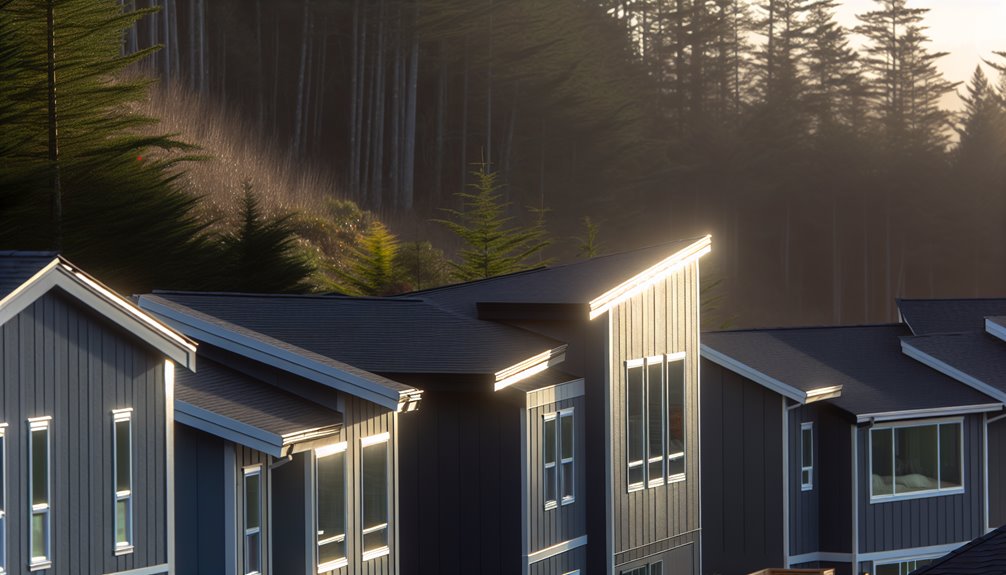
Why is fiber cement siding increasingly chosen for diverse building types? Its fire-resistant properties make it ideal for multi-family residential buildings, schools, healthcare facilities, and hotels.
These structures benefit from enhanced safety in fire-regulated exterior wall zones. In commercial façades, fiber cement siding offers resilience and modern aesthetics, meeting both functional and design requirements.
Enhanced safety and modern aesthetics make fiber cement siding ideal for fire-regulated exterior wall zones and commercial façades.
Additionally, in wildfire-prone regions, such as parts of California, this material provides a critical layer of defense, aligning with stringent fire safety standards.
The use of fiber cement in these applications not only reduces risk but also appeals to innovative architectural practices, offering versatile textures and finishes that mimic wood, stone, or brick, while ensuring compliance with essential fire safety regulations.
Proper installation greatly impacts the fire resistance of fiber cement siding, as even a single oversight can compromise its effectiveness.
Crucial installation details involve the use of correct cavity barriers, which prevent fire from spreading through hidden gaps. Proper fastening systems guarantee the siding remains securely attached, maintaining its protective barrier.
Joint spacing must be precise to avoid weaknesses where fire could penetrate. Fire-stopping around penetrations is essential to block potential fire paths.
Additionally, using compatible insulation materials is crucial for maintaining overall fire resistance. A high-performance panel can still fail if integrated into a poorly designed wall system, emphasizing the importance of meticulous installation practices to fully leverage fiber cement siding’s fire-resistant capabilities.
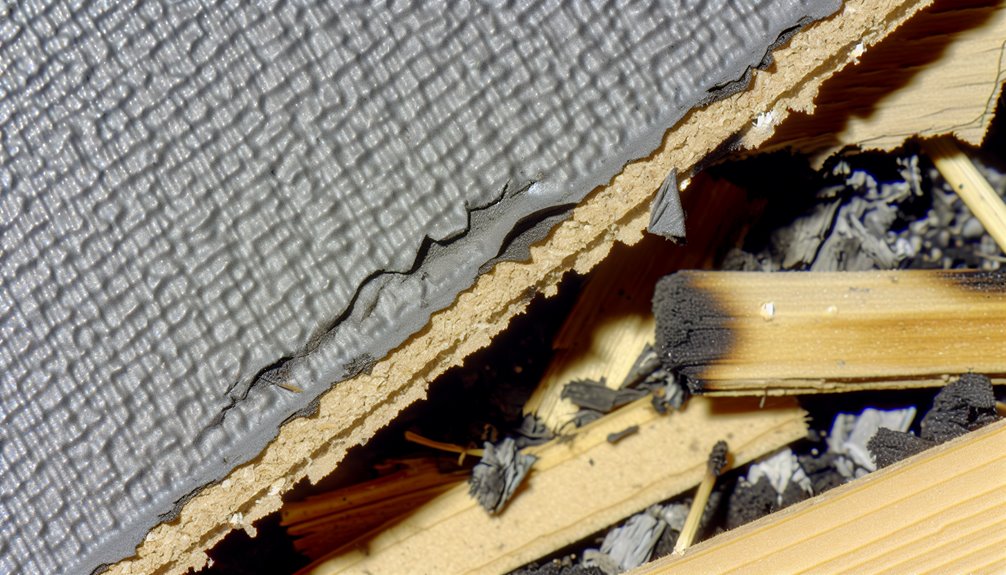
Despite its robust construction, fiber cement siding is not completely impervious to the effects of extreme fire exposure. In severe conditions, the material may experience panel cracking, surface spalling, joint failure, and heat transfer into the assembly. These vulnerabilities underscore the importance of evaluating performance as part of the entire façade system. While fiber cement enhances fire resistance, its limitations should be acknowledged for thorough safety planning.
| Limitation | Description |
|---|---|
| Panel Cracking | Structural fractures under intense heat. |
| Surface Spalling | Flaking or chipping due to thermal stress. |
| Joint Failure | Separation at seams affecting integrity. |
| Heat Transfer | Potential for heat to penetrate assemblies. |
| System Evaluation | Essential to evaluate within total façade. |
Understanding these factors is vital for optimizing fire-resistant strategies.
When evaluating exterior cladding options, fiber cement siding emerges as a preferred choice due to its exceptional fire resistance and compliance with stringent building codes. This material is frequently selected for projects requiring enhanced fire resistance compared to other materials like timber and vinyl.
Its lower maintenance demands and superior durability make it an attractive option for long-term façade stability. Fiber cement siding meets rigorous exterior wall regulations, ensuring safety and resilience in various environmental conditions.
Additionally, its ability to mimic the appearance of wood or masonry without the associated vulnerabilities offers aesthetic flexibility without compromising functionality. As a result, fiber cement stands out as an innovative solution for modern architectural needs, combining safety, durability, and design versatility.
Fiber cement siding can potentially lower insurance premiums due to its fire resistance, offering enhanced protection in fire-prone areas. Its durable, non-combustible properties align with stringent safety standards, appealing to risk-conscious insurers and innovative homeowners alike.
Fiber cement siding can substantially reduce maintenance costs due to its durability, resistance to rot, pests, and moisture. Its non-combustible nature minimizes repair needs, making it a cost-effective choice for innovative, low-maintenance building solutions.
Fiber cement siding offers diverse design options, like an artist's palette. It replicates wood, stone, and brick, providing both classic and modern aesthetics. With textures like Savannah Smooth and Sierra Premium Shake, it enhances architectural innovation effortlessly.
Fiber cement siding positively impacts home resale value by offering fire resistance, durability, and versatile aesthetics. Its low maintenance and modern design appeal to buyers seeking innovative, sustainable building materials, enhancing property attractiveness and market competitiveness.
Fiber cement siding offers eco-friendly benefits through its durability, reducing the need for frequent replacements. Made from sustainable materials, it supports energy efficiency with insulating properties, and its long lifespan minimizes environmental impact, aligning with innovative construction practices.
Coincidentally aligning with the increasing need for fire-resistant building materials, fiber cement siding stands as a robust option. Its composition—cement, sand, and reinforcing fibers—ensures non-combustibility, outperforming vinyl and timber. While not entirely fireproof, its ability to resist ignition and slow flame spread is essential in wildfire-prone areas. However, prolonged exposure may lead to degradation, underscoring the significance of proper installation and maintenance. Ultimately, fiber cement siding provides a critical layer of protection, enhancing building safety.
For projects requiring durable, fire-conscious exterior wall systems, PhiliGreen Panels supports fiber cement façade solutions designed for long-term performance, weather resistance, and modern architectural applications.