PVC wall cladding is a refined finish made from polyvinyl chloride, designed for seamless, waterproof, and hygienic surfaces. It is ideal for high-moisture environments like bathrooms and utility rooms due to its resistance to mold and bacteria. Available in various types like hollow panels and solid sheets, it supports quick installation. While offering excellent moisture protection, it may not withstand high heat or impact. Exploring further reveals more about its specific advantages and limitations.
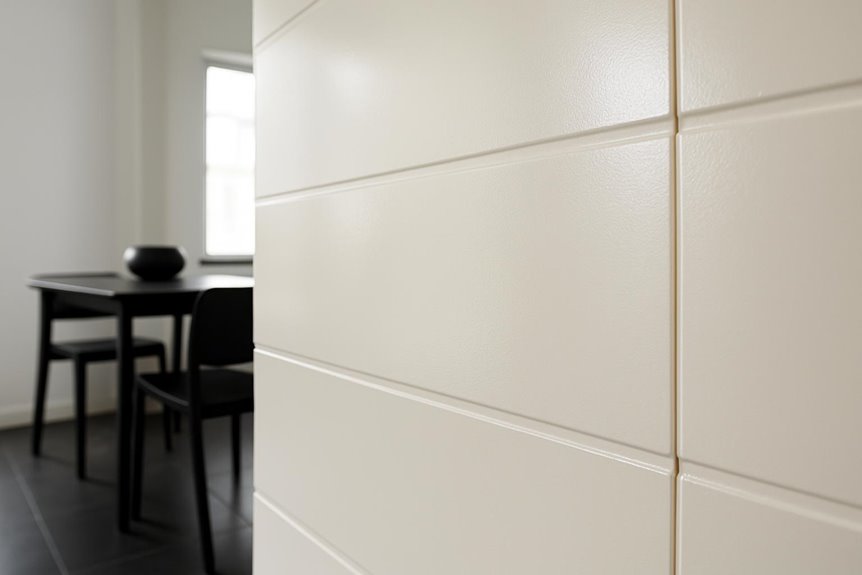
PVC wall cladding, a versatile and durable wall covering solution, is engineered primarily from polyvinyl chloride (PVC). This system offers a refined and finished surface compared to traditional options like painted plasterboard.
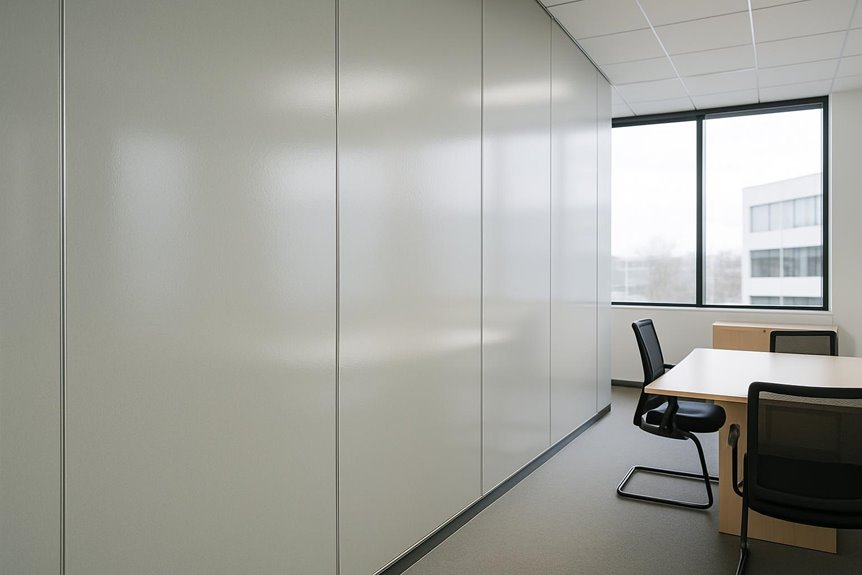
Interlocking panels, decorative PVC wall panels, and flat sheets form part of the PVC wall panel system, which provides a seamless, wipe-clean finish. Its waterproof properties make it ideal for high-moisture environments, ensuring longevity and maintaining aesthetic appeal.
The hygienic PVC wall cladding is particularly beneficial in settings requiring stringent cleanliness, reducing the risk of mold and bacterial growth. Designed to accommodate various impact and heat exposures, these panels offer an efficient alternative with fewer wet trades and enhanced installation speed, meeting diverse architectural demands.
Comprising a blend of advanced materials and manufacturing techniques, the production of PVC wall cladding begins with the precise formulation of polyvinyl chloride resin. This is combined with calcium carbonate fillers, stabilizers, and pigments to enhance durability and aesthetics.
PVC wall cladding panels are engineered with options such as hollow multi-cell cores for lightweight applications or solid PVC cores for increased rigidity. Decorative surfaces are printed or laminated, providing design flexibility for environments like bathrooms. Tongue-and-groove edges guarantee seamless joints, critical for effective PVC wall cladding installation.
| Component | Function | Benefit |
|---|---|---|
| PVC Resin | Base Material | Structural Integrity |
| Calcium Carbonate | Filler for Strength | Enhanced Durability |
| Decorative Film | Surface Aesthetics | Design Versatility |
This meticulous process results in versatile PVC wall sheets suitable for various applications.
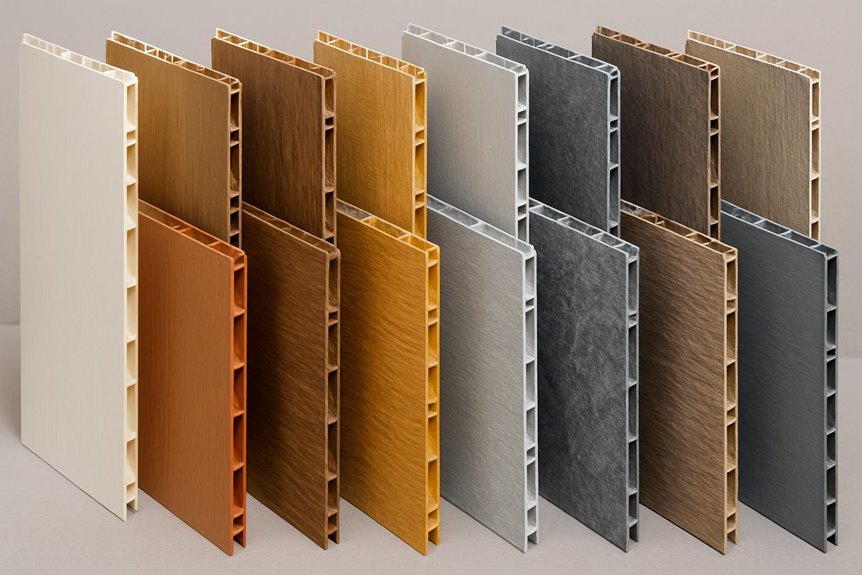
PVC wall cladding encompasses a diverse range of product types, each engineered for specific applications and performance requirements.
Hollow PVC wall panels offer lightweight and economical solutions, while solid PVC wall sheets provide enhanced durability and impact resistance.
Decorative PVC wall panels add aesthetic value, and hygienic PVC wall cladding is designed to meet stringent cleanliness standards in sensitive environments.
Hollow wall panels, crafted from polyvinyl chloride, represent a versatile cladding option in construction. These lightweight, interlocking panels are specifically designed for rapid installation in areas such as bathrooms and utility rooms.
The panels offer an efficient alternative to traditional materials, providing seamless surfaces without grout lines, thereby reducing maintenance efforts. When comparing PVC cladding vs tiles, hollow PVC panels stand out due to their moisture resistance and quick installation, considerably lowering labor costs.
PVC wall panel finishes range from matt to gloss, offering aesthetic flexibility to cater to diverse design preferences.
While they excel in speed and cost-effectiveness, hollow panels may not be ideal for high-impact environments or premium architectural applications, where more robust solutions might be required.
Solid PVC wall sheets offer an advanced cladding solution for environments demanding robust and continuous hygienic surfaces.
These flat, rigid sheets are engineered to provide a seamless finish, ideal for settings such as hospitals, laboratories, and food processing areas where cleanliness is paramount.
The inherent properties of solid PVC, combined with specialized joint and fixing systems, allow for easy maintenance and enhanced durability.
These sheets resist moisture, chemical exposure, and impact, ensuring longevity and consistent performance.
Their installation supports stringent hygiene standards, reducing potential contamination risks.
Furthermore, solid PVC wall sheets are designed to withstand frequent cleaning cycles, making them a preferred choice in areas requiring rigorous sanitation practices without compromising structural integrity.
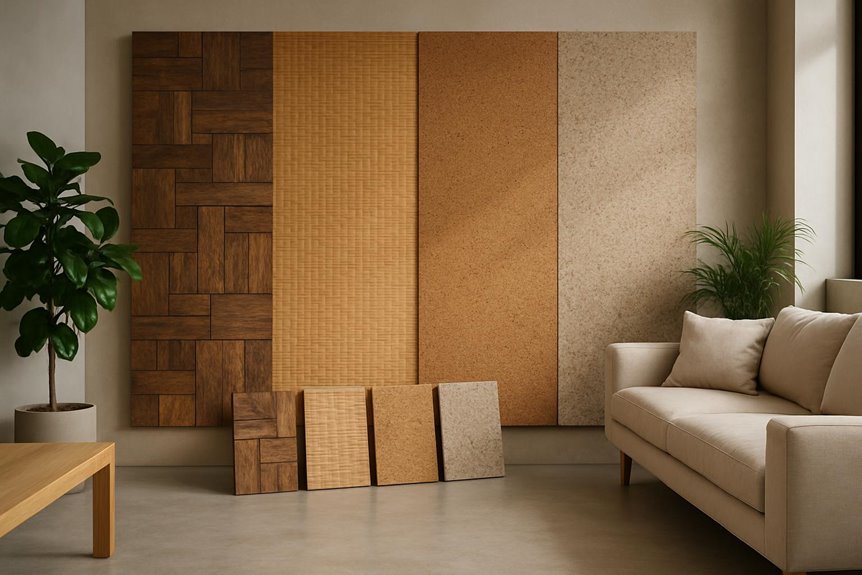
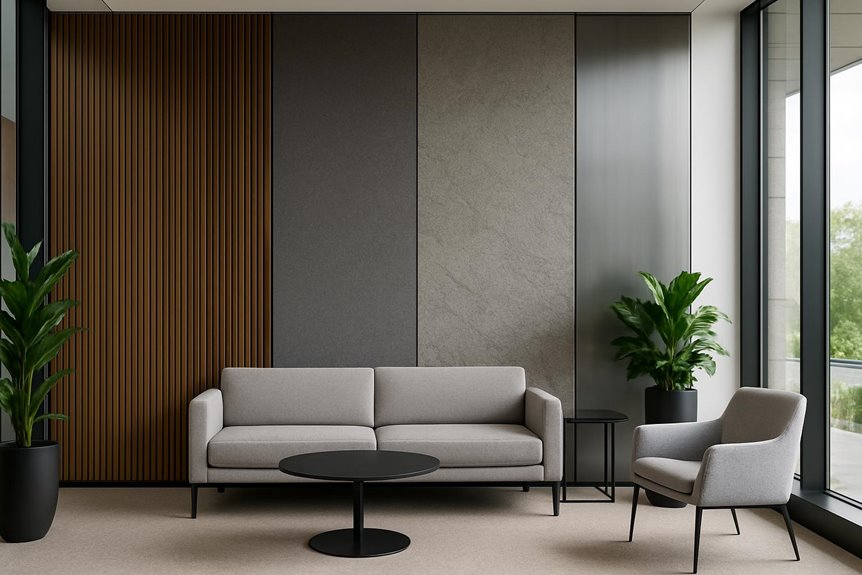
How do decorative wall panels transform spaces with such efficiency? These panels, crafted from polyvinyl chloride, offer an array of finishes such as marble, wood, stone, and more. They serve primarily as tools for rapid visual refurbishment, adept at covering imperfections and enhancing aesthetics. Their interlocking design allows for swift installation over existing surfaces without the need for extensive preparation.
| Feature | Benefit |
|---|---|
| Marble Finish | Luxurious appearance |
| Wood Texture | Warm, natural feel |
| Stone Effect | Durable, classic style |
| Embossed Design | Adds depth and dimension |
These panels are engineered to resist moisture and warping, ensuring longevity. Ideal for both commercial and residential applications, they provide a cost-effective and versatile solution for modern interiors.
Hygienic PVC wall cladding systems offer a seamless, easy-clean solution ideal for environments where hygiene is paramount, such as food preparation areas, healthcare support spaces, and washrooms.
These systems are designed with smooth surfaces that prevent bacterial growth and facilitate quick sanitation processes. The absence of grout joints reduces potential contamination points, enhancing the overall cleanliness of the area.
Made from durable polyvinyl chloride, these claddings resist moisture, impact, and chemical exposure, ensuring long-term performance in demanding settings.
Installation is efficient, employing adhesive or mechanical fastening, minimizing downtime and labor costs.
The versatility of hygienic PVC cladding makes it a preferred choice for professionals seeking to maintain strict hygiene standards while optimizing maintenance efficiency.
PVC wall cladding excels in environments demanding superior moisture resistance, efficient cleaning, and swift installation. It is particularly effective in interior spaces such as bathrooms, shower-adjacent areas, toilets, and changing rooms.
These settings benefit from the cladding's ability to withstand humidity and frequent water exposure, preventing mold and mildew growth. Kitchens and utility rooms also see advantages due to the cladding's easy-to-clean surface, reducing maintenance time.
Corridors, stairwells, and retail fit-outs utilize PVC cladding for its rapid installation process, essential for minimizing downtime during refurbishments.
Additionally, service areas requiring wipe-clean finishes and over-cladding projects benefit from the product's capability to cover uneven or deteriorated surfaces, enhancing both functionality and aesthetic appeal.
Proper selection guarantees peak performance in specific exposure conditions.
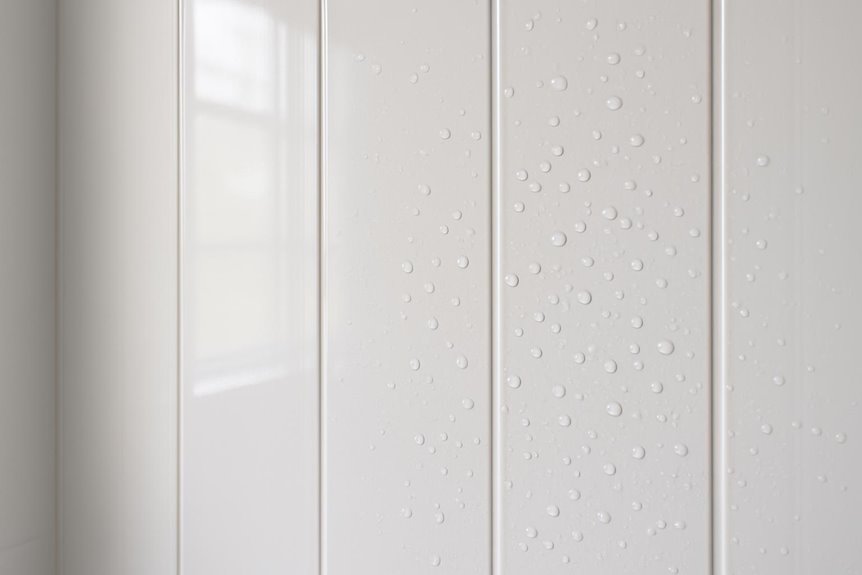
When considering the waterproof nature of wall cladding, one might ask: To what extent does PVC wall cladding guarantee a watertight barrier?
PVC itself is inherently water-resistant, as it does not absorb moisture like timber-based materials. However, achieving a truly waterproof installation requires more than just the material's resistance.
PVC naturally resists moisture, unlike timber, but true waterproofing demands more than the material's inherent resistance.
Key factors include the design of interlocking joints, proper sealant compatibility and application, and precise detailing around corners, edges, and penetrations.
Additionally, substrate preparation and adequate drainage and ventilation within wet areas are vital. A panel may inherently resist water, but poorly sealed joints can still permit moisture infiltration behind the cladding.
Consequently, a thorough approach is essential to guarantee effective waterproofing in PVC wall cladding installations.
A multitude of factors differentiates PVC wall cladding from ceramic tiles, each offering distinct advantages depending on the application.
PVC cladding is favored for its rapid, dry installation, reducing refurbishment disruption. It features fewer joints, minimizing areas prone to mold and bacteria. Its smooth surfaces allow for easy cleaning, unlike tile grout, which demands regular maintenance. PVC can also accommodate uneven substrates, enhancing versatility.
However, ceramic tiles excel in impact and heat resistance, making them preferable in high-temperature environments or where severe impact is expected. Repairing PVC often involves panel replacement, whereas tiles can be replaced locally, potentially lowering repair costs.
Each material's unique properties should be evaluated to meet specific project needs and constraints.
| Factor | PVC Wall Cladding | Ceramic Tiles |
|---|---|---|
| Installation speed | Fast, dry installation | Slower, wet-trade process |
| Joint quantity | Fewer joints | Multiple grout lines |
| Cleaning | Easy-clean smooth surfaces | Grout requires regular cleaning |
| Substrate tolerance | Can cover some uneven surfaces | Requires stable, prepared substrate |
| Impact and heat resistance | Depends on panel grade | Generally higher |
| Repair approach | Often panel replacement | Local tile replacement may be possible |
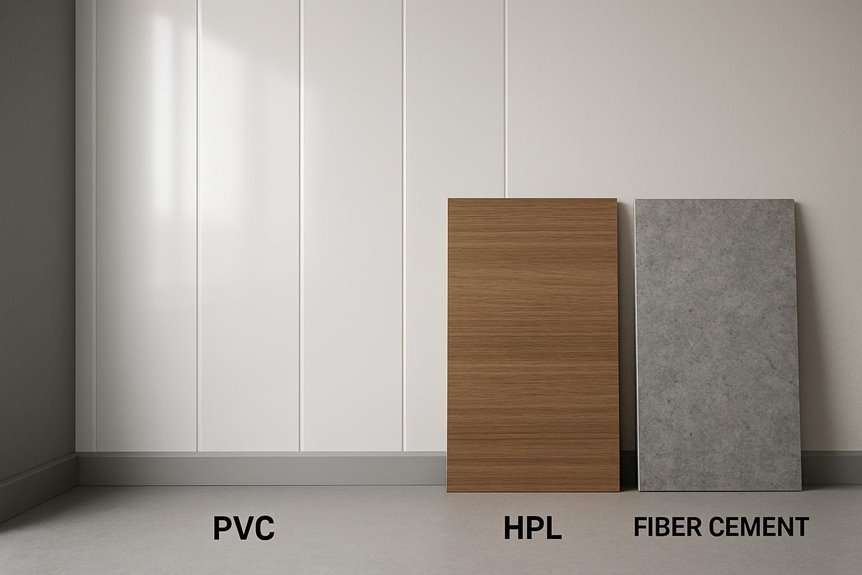
Although each cladding material offers distinct benefits, selecting between PVC wall cladding, HPL, and fiber cement panels requires an evaluation of specific environmental and performance needs.
PVC wall cladding excels in wet-adjacent areas with its rapid installation and easy-clean properties but is limited by heat sensitivity and lower impact resistance.
PVC wall cladding offers quick installation and easy maintenance in damp areas, but struggles with heat and impact resistance.
HPL panels are favored for durable decorative interiors, excelling in high-contact environments, though they necessitate precise substrate and edge detailing.
Fiber cement panels provide robust fire performance and moisture tolerance, suitable for exterior and fire-conscious applications, yet their heavier nature demands more intensive installation.
Each material's suitability hinges on factors such as surface durability, fire performance, cleaning regime, and aesthetic requirements, underscoring the importance of tailored selection.
| Material | Best Suited To | Key Limitation |
|---|---|---|
| PVC wall cladding | Wet-adjacent, easy-clean, rapid refurbishment | Heat sensitivity and lower impact resistance |
| HPL wall panels | Durable decorative interiors and high-contact surfaces | Requires appropriate substrate and edge detailing |
| Fiber cement panels | Fire-conscious, durable, moisture-tolerant wall systems | Heavier and more demanding to install |
Given specific environmental and performance constraints, PVC wall cladding may not be the best choice for certain applications. Instances requiring high fire-performance classification or exposure to direct high heat are unsuitable for PVC. Additionally, environments demanding heavy impact resistance or long-term UV exposure without exterior-grade formulation may compromise the material's integrity. Moreover, PVC cladding lacks the structural wall performance and deep acoustic absorption offered by alternative materials.
| Requirement | Alternative Solution |
|---|---|
| High Fire-Performance | Metal Panels, Ceramic Systems |
| Heavy Impact Resistance | Fiber Cement, Engineered Panels |
| Long-term UV Exposure | HPL, Exterior-Grade Formulation |
In such cases, high-pressure laminates (HPL), fiber cement, or metal panels may provide a more robust solution.
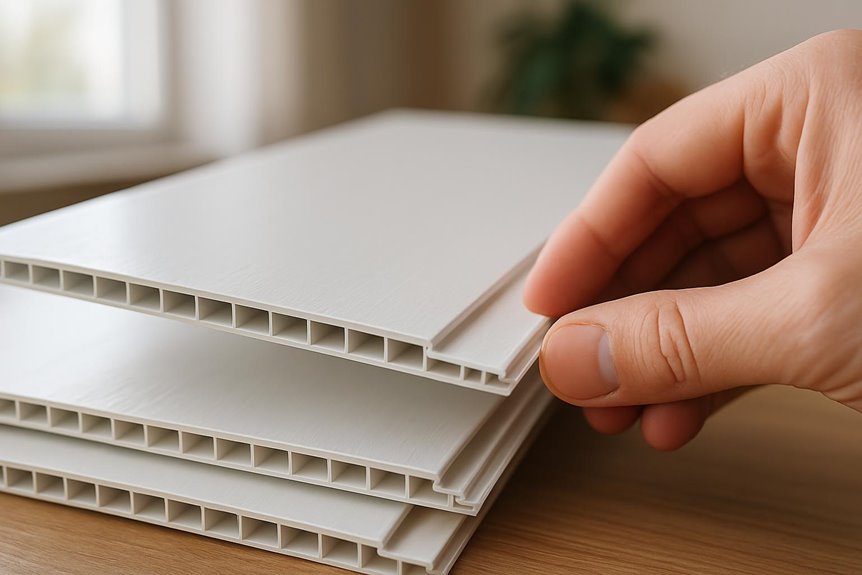
When considering PVC wall cladding, what are the essential factors to evaluate? Key aspects include panel construction and thickness, guaranteeing compatibility with the intended environment.
Fire classification must align with safety standards specific to the location.
Ensure fire classification meets local safety standards for optimal protection.
Moisture exposure demands detailed waterproofing strategies.
Compatibility with cleaning chemicals guarantees hygiene requirements are met, vital for areas like kitchens and hospitals.
Assess the substrate condition for proper adhesion and select appropriate fixing methods and trim systems.
Thermal movement allowance is necessary to accommodate expansion and contraction.
Evaluate the durability of surface finishes to withstand wear over time.
Additionally, consider accessibility for future maintenance and replacement needs.
Thorough evaluation prevents selection based solely on cost or aesthetics, guaranteeing performance integrity.
PVC wall cladding can be customized with logos or patterns through digital printing techniques. This allows for precise replication of intricate designs, offering clients control over aesthetics while maintaining the material's durability and performance in various environments.
PVC cladding impacts indoor air quality minimally due to its low VOC emissions. Its inert nature prevents off-gassing, maintaining stable air quality. Proper installation and maintenance guarantee its contribution to a controlled, safe indoor environment.
Color options for PVC cladding are vast, offering a spectrum as varied as a painter's palette, allowing precise control over aesthetics. These customizable finishes cater to both functional requirements and design aspirations in residential and commercial spaces.
The cost of PVC cladding is typically 20-50% lower than wood paneling over a 10-year period. PVC offers durability and low maintenance, making it a cost-effective choice compared to the more expensive upkeep of wood.
PVC cladding exhibits thermal and dimensional stability, effectively handling extreme temperature changes. Its composition includes thermal stabilizers, ensuring minimal expansion or contraction, maintaining structural integrity and performance in diverse environmental conditions, and catering to precise installation requirements.
In the evolving landscape of modern construction, PVC wall cladding emerges as a chameleon, easily adapting to diverse architectural needs with its versatility and durability. As an expert-driven solution, it seamlessly bridges the gap between aesthetics and functionality, providing a waterproof shield against environmental challenges. While it excels in various applications, careful consideration is essential before selection. Ultimately, PVC wall cladding stands as a demonstration of innovation, reshaping how we envision sustainable and efficient building materials.