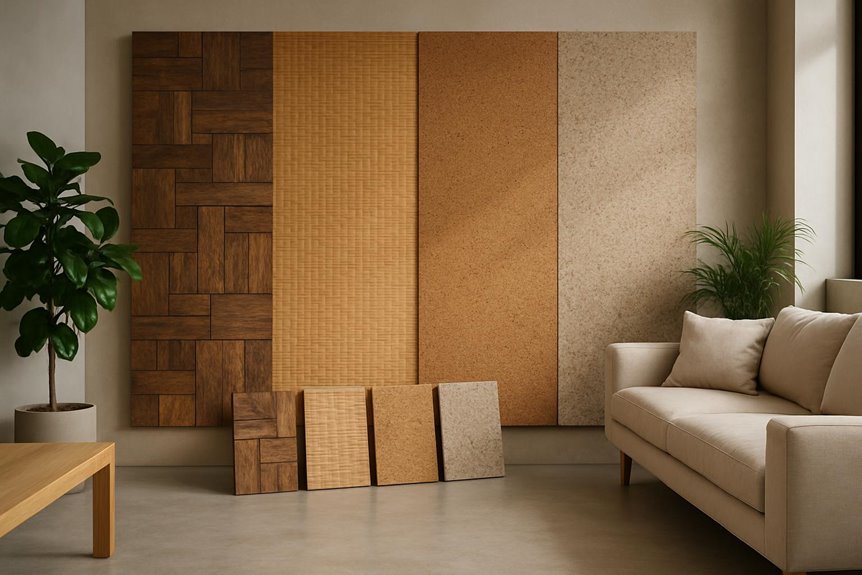
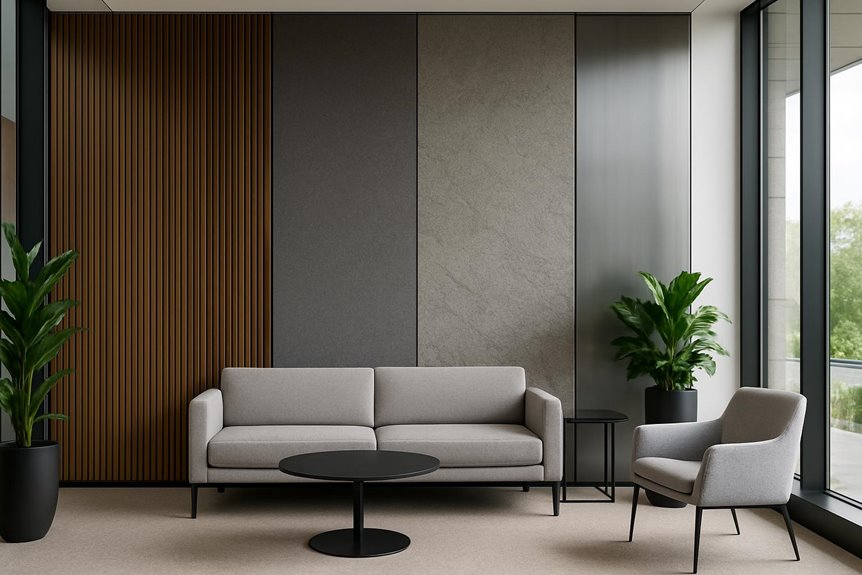
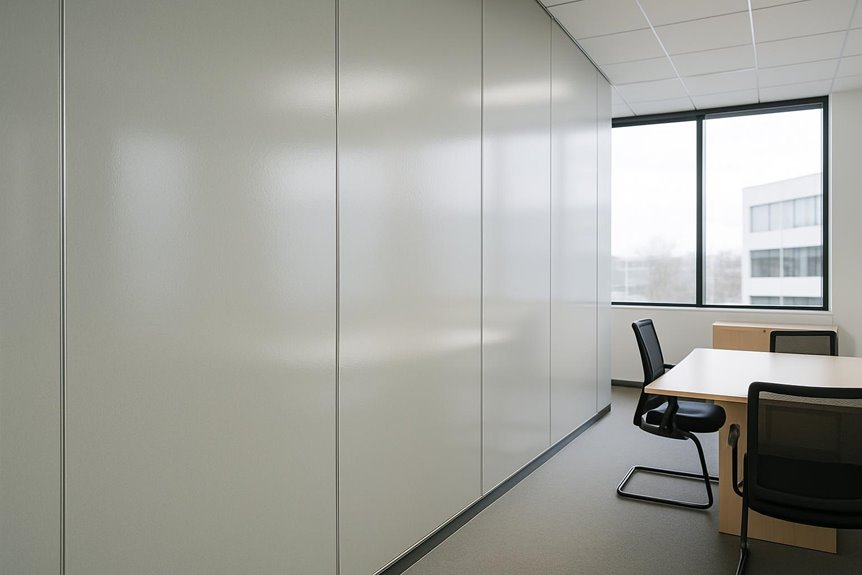
The cost of fiber cement panel siding is a multifaceted issue influenced by material characteristics, installation complexities, and regional labor variations. Understanding these factors is essential for homeowners seeking value and durability. Differences in thickness, density, and custom options greatly impact pricing, while the distinction between material costs and installed costs adds another layer of complexity. Exploring these elements can reveal strategies to optimize investment without sacrificing performance, inviting further exploration into this intricate topic.
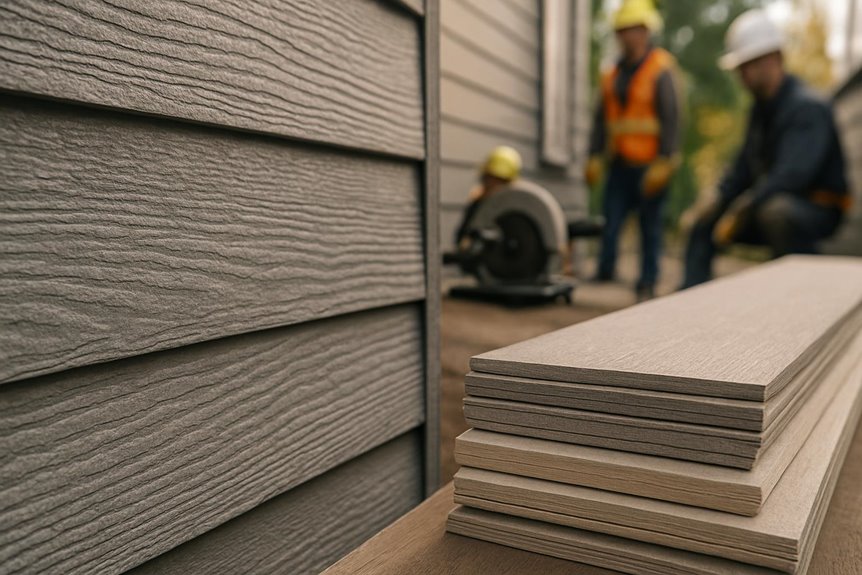
Fiber cement panel siding costs can fluctuate considerably due to a variety of factors. The fiber cement panel cost is influenced by thickness, density, and whether the panels are coated or unfinished.
Custom sizes and formats can also impact the fiber cement siding price factors substantially. Complexity in installation, such as project accessibility and structural challenges, further affects the fiber cement siding installation cost.
Standard panels may offer a cost-effective option, but unique architectural needs often require custom solutions, increasing expenses. Additionally, labor costs for installing fiber cement wall panels vary based on regional wage differences and the expertise required for more intricate installations.
These variables collectively determine the overall fiber cement panel siding cost for any given project.
Understanding the distinction between material cost and installed cost is crucial for accurately evaluating the financial implications of fiber cement panel siding.
The fiber cement siding cost encompasses not just the price of the fiber cement exterior panels but also the associated expenses of installation. Material cost focuses solely on the panels themselves, while the installed cost includes fixings, subframe, labor, cutting, sealing, and access equipment.
A notable insight is that a cheaper panel does not necessarily equate to a lower fiber cement cladding cost or fiber cement rainscreen cost, as the overall wall system's complexity can drive up expenses.
For those seeking control over their budget, recognizing these distinctions guarantees informed decision-making and effective financial planning.
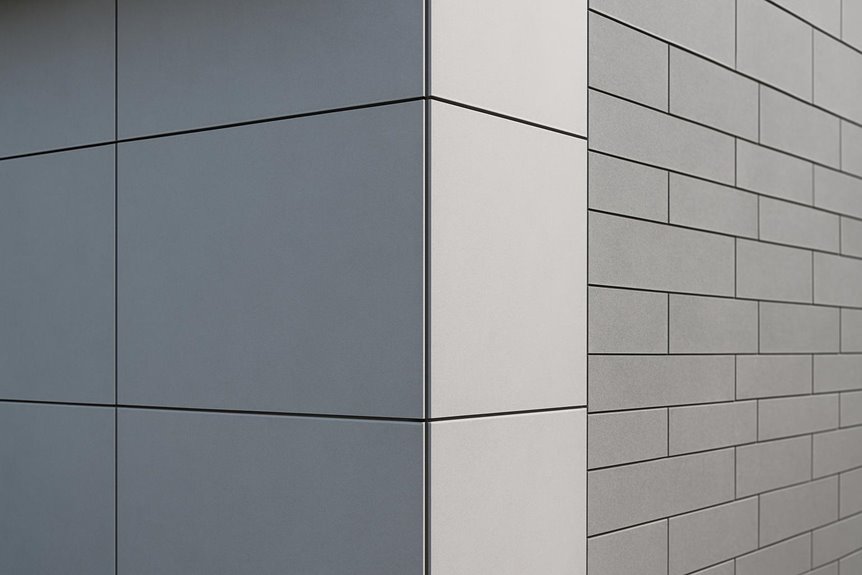
When evaluating the costs associated with fiber cement siding, the format of the panel plays a significant role in the overall financial impact.
Large-format fiber cement façade panels, while initially more expensive, reduce visible joints, potentially lowering the long-term fiber cement siding lifecycle cost by minimizing maintenance.
Conversely, smaller panels are often easier to handle but may increase labor expenses due to more frequent fixing requirements.
Planks and shingles, requiring repeated installation, can also elevate costs.
Custom panels, designed to reduce material waste, might raise production expenses.
Each panel format presents unique cost considerations, influencing not only initial expenditure but also the lifecycle cost, demanding careful selection to align with budgetary constraints and architectural needs.
Although panel thickness and density greatly impact fiber cement siding's cost and performance, these factors are essential for guaranteeing durability and meeting specific safety standards.
Thicker panels, while more expensive, provide enhanced protection against external elements, contributing to longevity and structural integrity. Higher density not only improves durability but also adds weight, which can influence installation costs and labor requirements.
Additionally, meeting fire, impact, and wind resistance criteria often necessitates stronger systems, further affecting pricing. These requirements ensure that the siding can withstand environmental challenges, offering peace of mind to homeowners.
Consequently, choosing the appropriate thickness and density is a strategic decision, balancing upfront investment with long-term benefits in resilience and compliance with safety regulations.
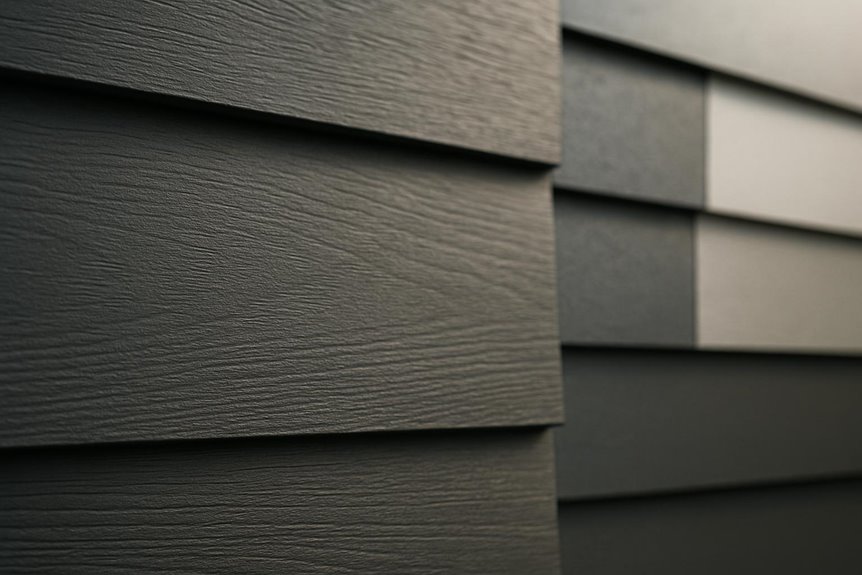
The choice of surface finish and coating for fiber cement siding can greatly impact both cost and durability. Factory-coated panels, while initially more expensive, reduce on-site finishing labor and improve efficiency.
Decorative textures and precise color matching elevate aesthetic appeal but also increase expenses. The inclusion of UV-resistant and weather-resistant coatings, although adding to upfront costs, enhances the lifecycle value by minimizing maintenance and extending the siding's longevity.
These protective layers guard against fading and environmental wear, ensuring long-term savings. As a result, when selecting finishes and coatings, considering the balance between initial investment and potential maintenance reduction is vital.
Balancing initial costs with reduced maintenance is key to preserving the siding’s durability and appearance.
Such informed decisions empower homeowners to maintain control over their budgets while optimizing the siding's performance and appearance.
Subframe and fixing system costs play an essential role in the overall expenses associated with fiber cement siding installation. These costs are influenced by several factors that determine both initial and long-term financial impacts.
Concealed fixing systems are generally more expensive than exposed ones due to increased complexity and material requirements. Rainscreen systems, which are popular for their moisture management benefits, necessitate additional components such as cavities, rails, and brackets, further raising costs.
Furthermore, a poorly designed fixing system can lead to increased labor expenses and higher maintenance needs over time.
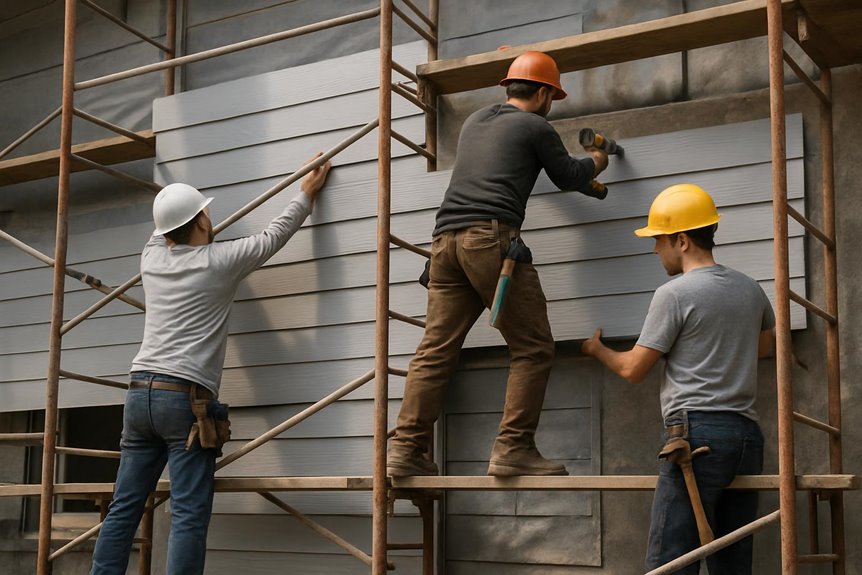
Maneuvering the intricacies of labor, access, and installation complexity is vital in understanding the financial and logistical aspects of fiber cement siding projects.
Labor costs can greatly fluctuate based on the height and accessibility of the property. Structures with multiple stories or challenging façade access require additional time and expertise, impacting overall expenses.
Installation complexity increases when precise cutting around windows and doors is necessary, prolonging the project timeline. In addition, handling large panels demands meticulous alignment, elevating the potential for increased labor costs.
These factors collectively underscore the importance of professional installation to minimize errors and guarantee structural integrity, ultimately influencing the project's cost-effectiveness and success.
Balancing these elements is essential for informed decision-making in siding investments.
Efficient transportation and careful handling of fiber cement siding panels are essential to minimizing risks associated with breakage and edge damage.
Large panels require meticulous packaging and logistical planning due to their size and weight. The heavy nature of these panels increases the need for adequate lifting mechanisms and skilled personnel to prevent mishandling.
Breakage or edge damage not only results in additional replacement costs but also delays project timelines, impacting overall expenses.
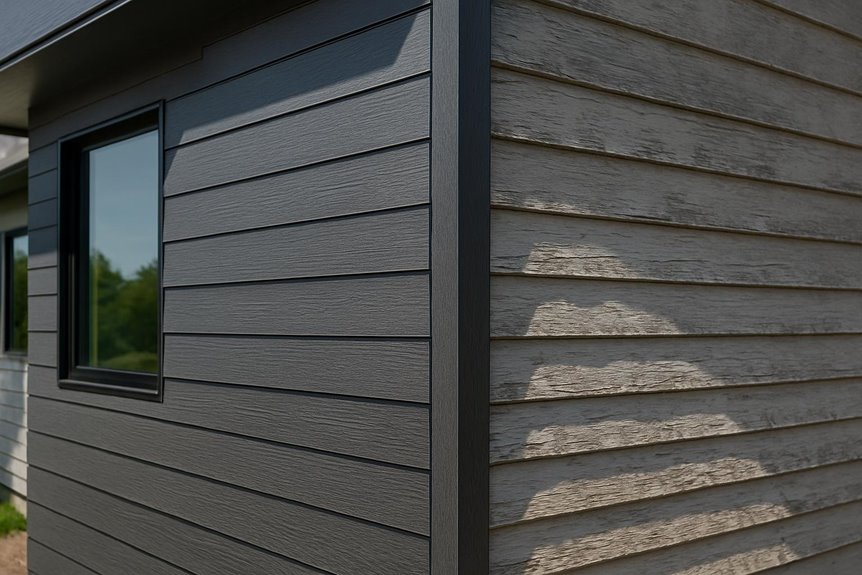
Although fiber cement siding often involves a higher initial investment compared to more economical materials like vinyl, its lifecycle cost tends to be more favorable over time. This is primarily due to its reduced need for repainting and maintenance.
Fiber cement's resilience to impact damage and moisture-related issues minimizes the frequency of replacements and repairs. Over decades, these factors contribute considerably to cost savings. Additionally, its durability extends facade maintenance cycles, reducing long-term expenses.
While initial costs may deter some homeowners, the material's longevity and reliability provide a compelling argument for its selection. By withstanding environmental stressors effectively, fiber cement siding offers a financially sound solution for those evaluating the total cost of ownership versus upfront expenditure.
Fiber cement siding offers long-term value, yet homeowners often seek cost-effective strategies to manage their initial investment.
By focusing on practical design choices, one can reduce costs without sacrificing performance. Utilizing standard panel sizes minimizes waste and custom fabrication expenses.
Coordinating panel layout with façade openings further guarantees efficient material use and reduces labor time. Selecting finishes based on exposure levels prevents unnecessary expenditure on high-end options where they aren’t needed.
These strategies enable homeowners to maintain quality while optimizing their budget, assuring a smart investment without compromising fiber cement siding's benefits.
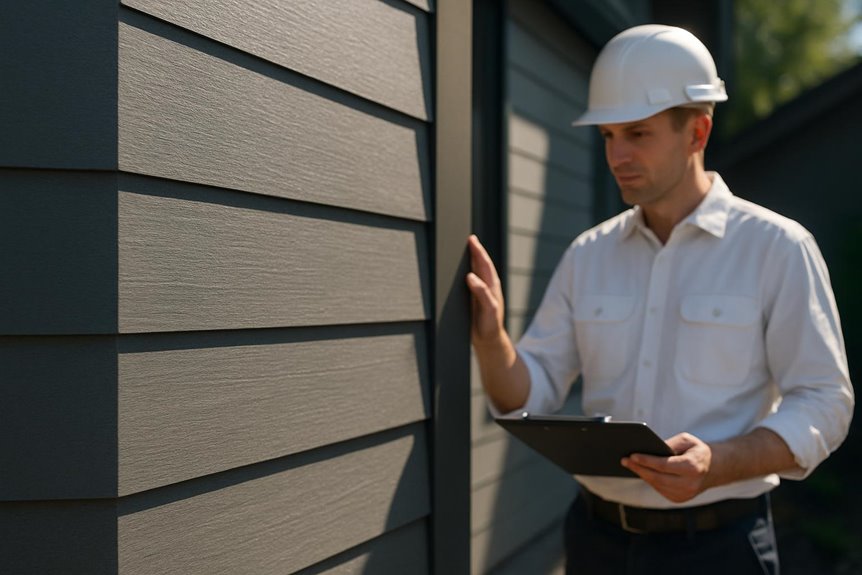
Investing in higher-cost fiber cement siding can be strategically justified when specific project requirements demand enhanced performance and longevity. This investment is rational in scenarios requiring long service life, as the material's durability guarantees minimal replacement needs over time.
Fire-resistant properties offer invaluable protection for safety-conscious projects, while premium façade options enhance aesthetic appeal, essential for high-end developments. Reduced maintenance access, a notable benefit, considerably decreases ongoing upkeep costs, appealing to budget-conscious property managers.
Additionally, superior weather durability provides resilience in harsh climates, guaranteeing the building remains protected against environmental challenges. Overall, selecting higher-cost fiber cement siding aligns with long-term strategic goals, especially where quality and durability are prioritized over initial expenditure.
You May Also Like: Cement Board vs Fibre Cement Board
Fiber cement siding can positively impact home insurance rates by enhancing fire resistance and durability, thereby lowering risk. Insurers may offer reduced premiums due to decreased likelihood of damage from fire, pests, and weather-related incidents.
Fiber cement manufacturing releases silica dust and consumes significant energy, impacting air quality and carbon footprint. Resource extraction for raw materials affects ecosystems. However, its durability and low maintenance may offset environmental costs over time.
Fiber cement siding can pose health risks during installation due to silica dust release, which may cause respiratory issues if inhaled. Proper safety measures, such as masks and ventilation, are essential to mitigate these risks effectively.
Much like a wise investment, fiber cement siding enhances home resale value by offering durability and aesthetic appeal. Its fire resistance and low maintenance echo the stability of granite, making it an attractive option for discerning buyers.
Fiber cement siding offers a variety of aesthetic customization options, including textures mimicking wood, stucco, or masonry. Homeowners can select from diverse colors and finishes, allowing precise alignment with architectural styles and personal preferences.
In analyzing fiber cement panel siding costs, one notable statistic reveals that opting for higher-quality siding can reduce maintenance expenses by up to 30% over its lifespan. This illustrates the long-term financial benefits of investing in superior materials. The interplay between material characteristics, such as thickness and density, and installation complexities underscores the importance of considering both direct and indirect costs. Ultimately, strategic investments in quality siding can offer significant savings and enhance durability over time.